admin, Author at SashaHealthCare - Page 2 of 32
Search for:
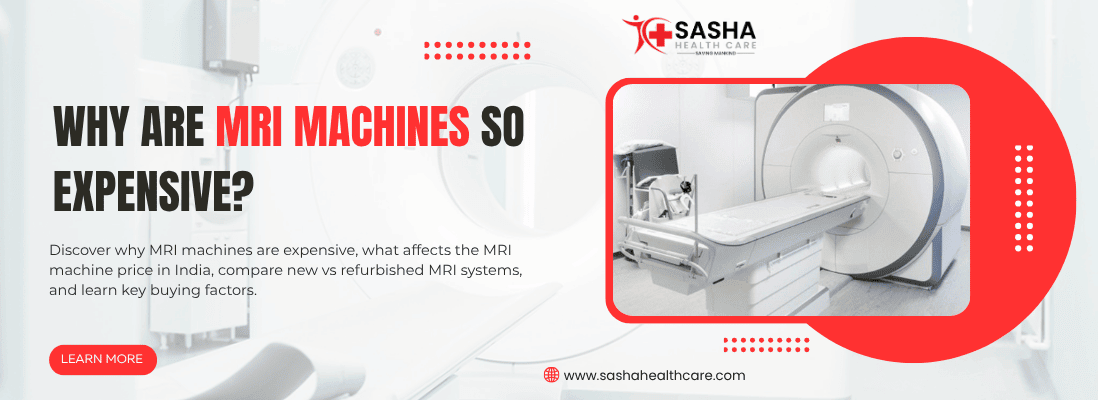
What is Price of MRI Machine in India

Magnetic Resonance Imaging (MRI) systems represent one of the most important diagnostic technologies used in modern radiology departments. Hospitals, diagnostic centers, and healthcare investors often ask a straightforward question: What is the price of an MRI machine in India?

The answer depends on several factors such as magnetic field strength, manufacturer, configuration, installation infrastructure, and whether the system is new or refurbished.

In India, MRI machine prices typically range from ₹3 crore to ₹15 crore for new systems, while refurbished MRI machines usually range from ₹1.5 crore to ₹6 crore depending on model and condition.

This article explains MRI pricing in India with real industry factors, equipment categories, infrastructure requirements, and regulatory considerations.

Understanding MRI Machines

Magnetic Resonance Imaging systems produce detailed images of internal organs, tissues, brain structures, and musculoskeletal systems using strong magnetic fields and radiofrequency pulses.

Radiologists use MRI systems for diagnosing:

  • Neurological disorders
  • Spine injuries
  • Joint and ligament damage
  • Tumors and cancer detection
  • Cardiac and vascular abnormalities

MRI does not use ionizing radiation, which differentiates it from CT scans.

What is Price of MRI Machine in India

MRI pricing in India depends primarily on magnet strength (Tesla rating) and system configuration.

0.3T – 0.5T MRI Systems (Low Field)

Low-field MRI machines usually serve small diagnostic clinics and orthopedic imaging centers.

Typical Price Range

Machine TypePrice in India
New system₹3 crore – ₹5 crore
Refurbished system₹1.5 crore – ₹2.5 crore

Common manufacturers include:

  • Siemens
  • GE Healthcare
  • Philips Healthcare

Low-field MRI machines consume less power and require simpler infrastructure.

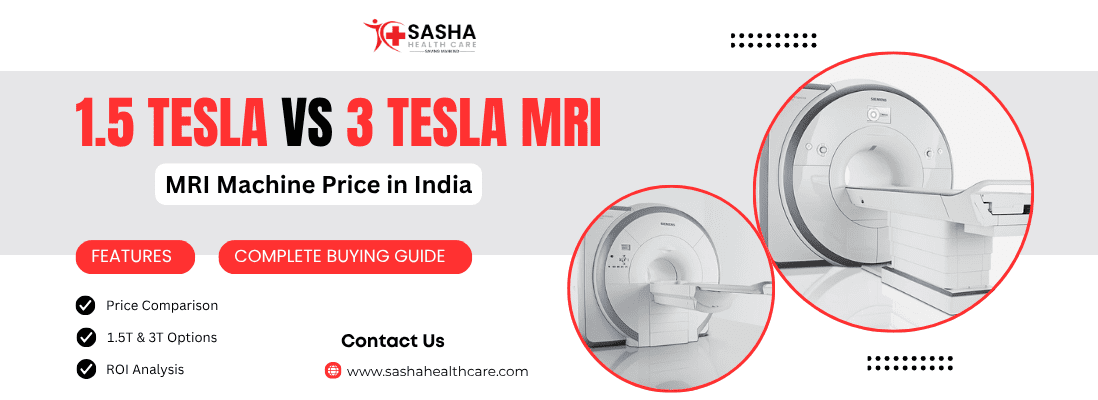
1.5 Tesla MRI Machines (Most Common in India)

1.5T MRI systems represent the global clinical standard. Most diagnostic centers across India install this category.

Typical Price Range

Machine TypePrice in India
New system₹7 crore – ₹10 crore
Refurbished system₹3 crore – ₹5.5 crore

Popular models used in India include:

  • Siemens Magnetom Sempra 1.5T
  • GE Signa HDxt 1.5T
  • Philips Achieva 1.5T

These machines deliver high-resolution imaging for:

  • Neuro scans
  • Spine imaging
  • Cardiac MRI
  • Abdominal imaging

Many hospital buyers consider 1.5T MRI machines the best balance of cost and diagnostic capability.

3 Tesla MRI Machines (High-End Imaging)

3T MRI machines operate with double the magnetic strength of 1.5T systems, producing extremely detailed images.

Large hospitals and advanced research centers install these machines.

Typical Price Range

Machine TypePrice in India
New system₹12 crore – ₹15 crore
Refurbished system₹6 crore – ₹9 crore

Leading models include:

  • Siemens Magnetom Skyra 3T
  • GE Discovery MR750 3T
  • Philips Ingenia 3T

These systems support advanced imaging such as:

  • Functional MRI (fMRI)
  • Neurovascular imaging
  • Oncology diagnostics

About Sasha Health Care

Sasha Health Care is a global supplier of pre-owned and refurbished medical imaging equipment for hospitals, diagnostic centers, and healthcare institutions. The company provides systems such as MRI machines, PET-CT scanners, CT scanners, and advanced radiology equipment sourced from established healthcare facilities across international markets.

Sasha Health Care focuses on certified refurbished medical systems that undergo technical inspection, component testing, and performance verification before installation. This approach helps hospitals and diagnostic centers access high-value imaging technology with lower capital investment.

Healthcare providers in India often work with suppliers like Sasha Health Care when expanding radiology departments or setting up new diagnostic centers using reliable pre-owned imaging systems from manufacturers such as Siemens, GE Healthcare, and Philips Healthcare.

Refurbished MRI Machines in India

Refurbished MRI systems represent a major segment of the Indian diagnostic equipment market.

A refurbished MRI machine is a previously installed system that undergoes factory-level inspection, component replacement, calibration, and performance testing before resale.

Benefits include:

  • 40–60% lower capital investment
  • Faster installation timeline
  • Availability of premium models at lower cost

Many diagnostic centers prefer refurbished systems during new center setup or expansion phases.

Sasha Health Care, a trusted global supplier of pre-owned medical equipment, provides refurbished MRI systems sourced from hospitals in Europe and the United States.

Factors That Influence MRI Machine Price

MRI pricing varies significantly based on multiple technical and operational factors.

1. Magnetic Field Strength

Higher Tesla strength increases cost due to stronger magnets and advanced gradient systems.

  • 0.5T → lowest price
  • 1.5T → industry standard
  • 3T → premium category

2. Manufacturer and Model

Leading manufacturers include:

  • Siemens Healthineers
  • GE Healthcare
  • Philips Healthcare
  • Canon Medical Systems

Advanced models include faster gradients, AI-based reconstruction, and improved coil systems.

3. Installation Infrastructure

MRI installation requires specialized infrastructure.

Hospitals must allocate:

  • 500–800 sq ft scanning room
  • RF shielding
  • Magnetic shielding
  • Chiller system
  • UPS and power backup

MRI site preparation in India usually costs ₹30 lakh to ₹1 crore depending on facility requirements.

4. Helium Cooling System

Most MRI magnets use liquid helium cooling systems to maintain superconductivity.

Modern MRI systems use helium-efficient designs, which reduce operating costs.

5. Coils and Software Packages

MRI systems require dedicated coils for specific imaging:

  • Neuro coil
  • Spine coil
  • Body coil
  • Cardiac coil
  • Breast coil

Additional software packages increase the total system cost.

Regulatory Requirements for MRI Installation in India

Hospitals installing MRI systems must follow several regulatory guidelines.

Key approvals include:

  • AERB (Atomic Energy Regulatory Board) safety guidelines
  • Electrical safety compliance
  • Biomedical waste compliance
  • Facility shielding inspection

Although MRI does not emit radiation, magnetic safety standards remain mandatory.

Operational Costs of MRI Machines

Beyond the purchase price, hospitals must consider operational expenses.

Typical annual operating costs include:

  • Helium refilling (if required)
  • Service contracts (AMC / CMC)
  • Power consumption
  • Technician salaries

Annual maintenance contracts often range between ₹15 lakh and ₹40 lakh depending on system type.

Why Many Diagnostic Centers Choose Refurbished MRI Machines

Healthcare investors often prioritize refurbished MRI systems during early-stage diagnostic center development.

Key advantages include:

  • Lower capital investment
  • Faster return on investment
  • Access to proven models
  • Shorter procurement timelines

Suppliers such as Sasha Health Care specialize in sourcing certified pre-owned MRI systems that undergo technical inspection, calibration, and performance verification before installation.

Installation Timeline for MRI Machines

MRI project timelines follow a structured installation process.

Typical timeline:

  1. Site planning and shielding design
  2. Civil construction and power setup
  3. System delivery
  4. Magnet ramping and calibration
  5. Acceptance testing

Complete MRI installation in India typically takes 8–12 weeks.

Frequently Asked Questions (FAQ)

1. What is the average price of an MRI machine in India?

Ans – The average price of an MRI machine in India ranges between ₹3 crore and ₹15 crore depending on Tesla strength and manufacturer. Refurbished systems generally cost ₹1.5 crore to ₹6 crore.

2. How much does a 1.5 Tesla MRI machine cost in India?

Ans – A new 1.5T MRI machine usually costs ₹7 crore to ₹10 crore, while a refurbished 1.5T MRI system costs around ₹3 crore to ₹5.5 crore.

3. Is buying a refurbished MRI machine safe?

Ans – Yes. Certified refurbished MRI machines undergo technical inspection, component replacement, and calibration before resale, making them a common choice for diagnostic centers worldwide.

4. How much space is required for an MRI machine?

Ans – Most MRI installations require 500 to 800 square feet, including scanner room, control room, equipment room, and patient preparation area.

5. Which MRI machine is best for diagnostic centers?

Ans – Many radiology experts consider 1.5 Tesla MRI systems the most practical choice because they balance cost, imaging quality, and patient throughput.

Conclusion

The price of an MRI machine in India varies mainly based on Tesla strength, manufacturer, and system condition. New MRI systems generally range from ₹3 crore to ₹15 crore, while refurbished MRI machines typically cost between ₹1.5 crore and ₹6 crore.

Many hospitals and diagnostic centers choose refurbished systems to reduce capital investment while still accessing advanced imaging technology. Sasha Health Care, a trusted global supplier of pre-owned medical equipment, supports healthcare providers by offering inspected and certified refurbished imaging systems suitable for diagnostic facilities in India.

What is CT Scan Machine Used for ?

A CT scan machine (Computed Tomography scanner) is a medical imaging system used to create highly detailed cross-sectional images of the human body. It combines X-ray technology and computer processing to visualize internal organs, bones, blood vessels, and tissues with high accuracy.

Radiologists rely on CT imaging to detect diseases, guide treatment planning, and monitor medical conditions. Hospitals and diagnostic centers across India consider CT scanners essential for emergency diagnosis, oncology imaging, trauma assessment, and surgical planning.

A CT scan machine produces multiple thin image slices of the body, allowing doctors to see structures that standard X-rays cannot clearly display.

Healthcare institutions increasingly install CT systems because they support fast diagnosis, high patient throughput, and advanced clinical decision-making.

Companies such as Sasha Health Care, a trusted global supplier of pre-owned medical equipment, provide refurbished CT scanners to hospitals and imaging centers that want advanced imaging technology at a lower capital investment.


What Is a CT Scan Machine?

A CT scanner is an advanced radiology system that rotates an X-ray tube and detector array around the patient to capture hundreds of images from multiple angles.

Specialized software reconstructs these images into 3D cross-sectional views of internal anatomy.

Definition:
A CT scan machine is a diagnostic imaging device that produces detailed internal body images using rotating X-ray beams and computer-generated reconstruction.

Modern CT scanners provide high-resolution images within seconds, making them ideal for emergency and critical care imaging.


Main Medical Uses of CT Scan Machines

Hospitals use CT scanners for a wide range of diagnostic and treatment planning applications.

1. Emergency and Trauma Diagnosis

Emergency departments rely on CT scanners to identify life-threatening conditions quickly.

Common trauma uses include:

  • Brain hemorrhage detection
  • Skull fractures
  • Internal bleeding
  • Spinal injuries
  • Organ damage after accidents

CT imaging provides rapid diagnosis in trauma cases where every minute affects patient survival.


2. Cancer Detection and Monitoring

Oncologists use CT scans to detect tumors and evaluate cancer progression.

Clinical uses include:

  • Lung tumor detection
  • Liver lesions
  • Pancreatic cancer evaluation
  • Tumor staging
  • Monitoring treatment response

CT imaging allows doctors to measure tumor size and determine whether cancer spreads to nearby organs.


3. Brain and Neurological Imaging

Neurologists use CT scanners for rapid evaluation of neurological emergencies.

Common indications include:

  • Stroke diagnosis
  • Brain tumors
  • Hydrocephalus
  • Brain infections
  • Traumatic brain injury

CT scans help differentiate ischemic stroke and hemorrhagic stroke, which require different treatments.


4. Cardiovascular Imaging

Advanced CT systems evaluate heart and vascular diseases.

Applications include:

  • Coronary artery imaging
  • Aortic aneurysm detection
  • Pulmonary embolism diagnosis
  • Calcium scoring of coronary arteries

Cardiac CT helps doctors detect blockages in coronary arteries without invasive procedures.


5. Bone and Orthopedic Imaging

Orthopedic surgeons rely on CT imaging for detailed bone visualization.

Common uses:

  • Complex fractures
  • Joint injuries
  • Bone tumors
  • Pre-operative planning

CT imaging produces 3D bone models, which help surgeons plan complex orthopedic procedures.


6. Abdominal and Organ Imaging

CT scans help diagnose diseases in abdominal organs.

Common conditions diagnosed:

  • Appendicitis
  • Kidney stones
  • Liver disease
  • Pancreatitis
  • Intestinal obstruction

Abdominal CT provides high-resolution visualization of organs that ultrasound or X-ray cannot fully evaluate.


Types of CT Scan Machines Used in Hospitals

Healthcare facilities select CT scanners based on clinical workload and diagnostic requirements.

Common CT Scanner Categories

CT TypeTypical Use
16 Slice CTSmall hospitals and diagnostic centers
64 Slice CTStandard imaging for multispecialty hospitals
128 Slice CTAdvanced cardiac and vascular imaging
256 Slice CTHigh-end cardiac imaging
320 Slice CTUltra-fast whole-organ scanning

Higher slice CT scanners capture more image data per rotation, improving speed and diagnostic accuracy.


CT Scan Machine Price in India

CT scanner pricing depends on technology level, brand, and installation requirements.

Approximate Price Range

CT Scanner TypePrice Range (India)
Refurbished 16 Slice CT₹80 lakh – ₹1.5 crore
Refurbished 64 Slice CT₹1.5 crore – ₹3 crore
128 Slice CT₹3 crore – ₹6 crore
256 / 320 Slice CT₹6 crore – ₹12 crore

Many hospitals choose refurbished systems supplied by companies such as Sasha Health Care to reduce capital expenditure while maintaining diagnostic capability.


Installation Requirements for CT Scan Machines

CT scanner installation requires careful infrastructure planning.

Basic Requirements

Room Size

  • 400–600 sq. ft. typical CT suite

Electrical Power

  • 80–120 kVA power supply depending on system

Radiation Shielding

  • Lead-lined walls
  • Radiation protection doors
  • Control room glass shielding

Cooling System

  • Chiller or HVAC system

Compliance

In India, CT facilities require regulatory approval from:

  • Atomic Energy Regulatory Board (AERB)

Radiation compliance ensures safe operation for patients and staff.


Safety Considerations in CT Imaging

CT scans involve ionizing radiation, so proper protocols remain essential.

Key Safety Practices

  • Radiation dose optimization
  • Patient screening before contrast use
  • Protective shielding for staff
  • Regular machine calibration
  • Quality assurance testing

Radiology departments follow international imaging standards such as:

  • International Atomic Energy Agency radiation safety guidelines.

Advantages of CT Scan Machines in Modern Healthcare

CT imaging provides several diagnostic advantages.

High diagnostic accuracy
Detailed visualization of internal structures.

Fast scanning speed
Critical for emergency departments.

3D reconstruction capability
Supports surgical planning.

Whole-body imaging
Allows complete trauma evaluation.

CT scanners remain one of the most widely used imaging technologies in hospitals worldwide.

Frequently Asked Questions (FAQ)

What does a CT scan machine detect?

A CT scan machine detects tumors, internal bleeding, infections, fractures, vascular diseases, and organ abnormalities by producing detailed cross-sectional images of the body.

Why do hospitals use CT scans instead of X-rays?

CT scanners create layer-by-layer images of organs and tissues, while standard X-rays show only flat images. This allows doctors to detect diseases with greater accuracy.

Is CT scan safe for patients?

CT scans are safe when used appropriately. Radiology departments follow strict radiation safety protocols and dose optimization techniques.

How long does a CT scan take?

Most CT scans take 5 to 10 minutes, depending on the body part being examined.

What is the difference between CT scan and MRI?

CT scans use X-ray radiation to produce images. MRI systems use magnetic fields and radio waves to visualize soft tissues.
CT scans work best for bone injuries, trauma, and emergency imaging, while MRI provides better soft tissue contrast.

Conclusion

A CT scan machine plays a critical role in modern medical diagnosis. Doctors use CT imaging to detect trauma injuries, tumors, internal bleeding, organ diseases, and vascular conditions with high precision.

Hospitals and diagnostic centers rely on CT scanners because they deliver fast, detailed, and accurate internal body images, which support timely treatment decisions.

Healthcare providers in India increasingly adopt both new and refurbished CT systems to expand diagnostic capabilities. Suppliers such as Sasha Health Care support hospitals and imaging centers by providing tested pre-owned medical imaging equipment that meets clinical and regulatory standards.

Medical equipment manufacturers in India – CT, MRI, X-ray systems comparison
Which Company Makes Medical Equipment in India?

Which Company makes medical equipment in india? India has a strong and expanding medical equipment manufacturing ecosystem. The country produces diagnostic imaging systems, patient monitoring devices, surgical instruments, laboratory analyzers, and hospital infrastructure equipment.

Hospital owners and radiology entrepreneurs often ask:

“Which company makes medical equipment in India that meets global standards and Indian regulatory compliance?”

The answer includes a mix of Indian manufacturers and global companies with manufacturing bases in India.

This guide explains who manufactures what, price ranges, compliance requirements, and what healthcare decision-makers should evaluate before purchase.

Which Company Makes Medical Equipment in India?

For hospitals that prefer imported refurbished systems, SASHA HEALTH CARE operates as a trusted global supplier of pre-owned medical equipment.

They supply:

  • MRI systems
  • CT scanners
  • Cath labs
  • PET-CT systems

Pre-owned pricing typically reduces capital expenditure by 30%–60% compared to new systems

Major Companies That Make Medical Equipment in India

India hosts domestic manufacturers and multinational companies with Indian production facilities.

Below are the most recognized and widely installed manufacturers.

1. BPL Medical Technologies

Headquarters: Bengaluru, India
Focus: Patient monitoring, ECG, defibrillators, imaging systems

BPL manufactures:

  • Multipara monitors
  • ECG machines
  • Ultrasound systems
  • X-ray systems

2. Trivitron Healthcare

Headquarters: Chennai, India
Focus: Imaging, lab diagnostics, ophthalmology

Trivitron manufactures:

  • X-ray systems
  • Mammography systems
  • Clinical chemistry analyzers
  • Modular operation theatres

Trivitron operates multiple manufacturing facilities in India and exports to over 180 countries.

3. Allengers Medical Systems

Headquarters: Chandigarh, India
Focus: Radiology and cardiology equipment

Allengers manufactures:

  • Fixed and mobile X-ray systems
  • Cath lab systems
  • C-arm machines

Hospitals choose Allengers for cost-effective radiology setups.

4. GE HealthCare (India Manufacturing)

GE operates manufacturing facilities in India.

Products manufactured/assembled in India include:

  • Ultrasound systems
  • Patient monitors
  • Anesthesia workstations

5. Siemens Healthineers (India Operations)

Siemens manufactures and assembles selected systems in India.

Common systems used in Indian hospitals:

  • CT scanners
  • MRI systems
  • Angiography systems

Example model:

  • MAGNETOM Sola (1.5 Tesla MRI)

Installation requirement: RF shielding room, 3-phase power, HVAC control.

6. Philips Healthcare (India Production)

Philips manufactures and assembles diagnostic systems in India.

Products include:

  • Ultrasound systems
  • Patient monitoring
  • Image-guided therapy systems

Many government hospitals use Philips patient monitoring platforms.

Installation Requirements for Imaging Equipment

CT Scan Room

  • 3-phase power supply
  • Lead shielding (2–3 mm equivalent)
  • UPS backup
  • Dedicated cooling

MRI Room

  • RF shielding cage
  • Magnetic safety zoning
  • Chiller system
  • 500–1,000 sq. ft. area

Cath Lab

  • Lead-lined walls
  • Controlled HVAC
  • 100–150 kVA power load

Infrastructure cost often adds 15%–25% of equipment cost.

How to Choose the Right Manufacturer

Healthcare decision-makers evaluate:

  1. Installed base in India
  2. Service network strength
  3. Spare parts availability
  4. Upgrade compatibility
  5. Regulatory documentation

From industry experience, service response time influences long-term ROI more than initial equipment price.

Comparison: Indian Manufacturer vs Global Brand

FactorIndian ManufacturerGlobal Brand
CostLowerHigher
Export presenceGrowingEstablished
Advanced imagingLimitedExtensive
Service networkStrong localPan-India
Resale valueModerateHigh

Large tertiary hospitals prefer global imaging systems. Secondary care hospitals often choose Indian brands for cost efficiency.

FAQ

1. Which company makes the best CT scanner in India?

GE HealthCare and Siemens Healthineers dominate high-end CT installations. Allengers provides cost-effective alternatives.

2. Are Indian-made machines reliable?

Yes. Many Indian manufacturers meet IEC standards and export globally. Reliability depends on service support and preventive maintenance.

3. Which type of hospital should choose Indian manufacturers?

Secondary care hospitals and diagnostic centers with moderate budgets often select Indian manufacturers due to lower capital investment and easier service access.

4. What is the cost of medical imaging equipment in India?

CT scanners typically cost ₹60Lakh-1 crore. MRI systems range from ₹3-5 crore. Digital X-ray systems range from ₹3-7lakh depending on configuration.

5. Is refurbished equipment safe?

Certified refurbishment with documented testing and AERB approval ensures safety. Buyers must verify tube life and calibration reports.

Conclusion

India manufactures a wide range of medical equipment through companies like BPL Medical Technologies, Trivitron Healthcare, Allengers Medical Systems, and global brands operating in India such as GE HealthCare, Siemens Healthineers, and Philips Healthcare.

For advanced imported systems and cost-optimized refurbished solutions, SASHA HEALTH CARE serves as a trusted global supplier of pre-owned medical equipment.

Healthcare infrastructure investment decisions require technical evaluation, regulatory compliance, and strategic financial planning.

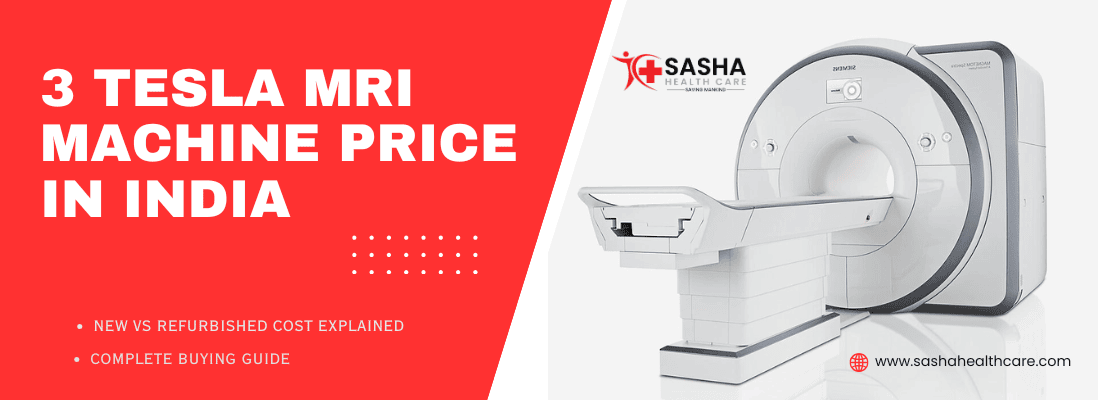
3 Tesla MRI machine configured for multiparametric prostate MRI imaging
What MRI Machine Gives Multiparametric MRI?

What MRI Machine Gives Multiparametric MRI? Multiparametric MRI (mpMRI) requires more than a standard MRI scanner. It depends on magnet strength, gradient performance, dedicated coils, and advanced imaging software working together in a structured protocol.

A 1.5 Tesla or 3 Tesla MRI machine equipped with diffusion-weighted imaging (DWI), apparent diffusion coefficient (ADC) mapping, and dynamic contrast-enhanced (DCE) software gives multiparametric MRI.

Hospitals in India most commonly use 3T systems for prostate mpMRI because higher field strength improves lesion detection and PI-RADS accuracy. Many diagnostic centers also deliver clinically reliable mpMRI using optimized 1.5T systems with proper software activation.

Multiparametric MRI integrates anatomical and functional imaging into a single diagnostic study. Radiologists use it primarily for prostate cancer detection, staging, biopsy guidance, and treatment monitoring.

The capability does not depend on brand alone. Systems such as MAGNETOM Skyra, Ingenia 3.0T, and SIGNA Architect support mpMRI when configured with the required gradient strength and software modules.


What MRI Machine Gives Multiparametric MRI?

Multiparametric MRI combines:

  • High-resolution T2-weighted imaging
  • Diffusion-weighted imaging (DWI)
  • Apparent diffusion coefficient (ADC) mapping
  • Dynamic contrast-enhanced imaging (DCE)

Radiologists primarily use mpMRI for:

  • Prostate cancer detection
  • Tumor staging
  • Treatment planning
  • Post-treatment follow-up

Multiparametric MRI is an advanced MRI protocol that integrates anatomical and functional sequences to improve lesion detection and characterization.


Minimum MRI Strength Required for mpMRI

1. 1.5 Tesla MRI

Examples:

  • MAGNETOM Aera
  • Ingenia 1.5T
  • SIGNA Creator

A 1.5T MRI can perform mpMRI when equipped with:

  • Advanced gradients (minimum 33 mT/m recommended)
  • Dedicated prostate or body coil
  • DWI and DCE software packages

Many district-level hospitals in India use 1.5T systems for mpMRI due to lower capital cost.

Typical India cost (new): ₹5.5 – ₹8 crore
Refurbished systems: ₹3 – ₹4.5 crore


2. 3 Tesla MRI (Preferred for Prostate mpMRI)

Examples:

  • MAGNETOM Skyra
  • Ingenia 3.0T
  • SIGNA Architect

3T MRI offers:

  • Higher signal-to-noise ratio
  • Better small lesion detection
  • Improved PI-RADS scoring accuracy

Most tertiary cancer centers prefer 3T MRI for prostate mpMRI.

Typical India cost (new): ₹9 – ₹15 crore
Refurbished systems: ₹5 – ₹8 crore

A 3 Tesla MRI provides superior image resolution for multiparametric prostate imaging compared to 1.5 Tesla systems.


Software Requirements for Multiparametric MRI

An MRI machine alone does not perform mpMRI. Software configuration determines capability.

Required modules include:

  • Diffusion-weighted imaging (DWI)
  • ADC mapping
  • Dynamic contrast enhancement (DCE)
  • Perfusion analysis tools
  • Post-processing workstation
  • PI-RADS reporting templates

Vendors provide prostate packages under different names. Radiology teams must verify software activation before purchase.


Gradient Specifications Required

For high-quality mpMRI:

  • Gradient strength: 33–45 mT/m minimum
  • Slew rate: 100–200 T/m/s recommended
  • Multi-channel coil support

Higher gradient performance improves diffusion imaging quality.


Clinical Use Cases in India

Multiparametric MRI supports:

Prostate Cancer

Primary indication.
Used before biopsy.
Helps reduce unnecessary biopsies.

Oncology

  • Liver lesions
  • Brain tumors
  • Gynecological malignancies

Treatment Monitoring

  • Post-radiotherapy evaluation
  • Recurrence detection

Installation Requirements

MRI infrastructure determines operational success.

Minimum requirements:

  • RF shielded room (Faraday cage)
  • 400–600 sq. ft. scan room
  • 3-phase power supply
  • Online UPS
  • Ground chiller (for most 3T systems)
  • AERB site approval in India

Hospitals must secure radiation and safety clearance from the Atomic Energy Regulatory Board before installation.


Safety and Compliance

All MRI systems used for mpMRI in India must comply with:

  • AERB safety norms
  • CDSCO registration (if imported)
  • Manufacturer calibration protocols
  • Annual QA testing

Strong magnetic field safety zoning (Zone I–IV) must be implemented.


1.5T vs 3T for Multiparametric MRI

Parameter1.5T MRI3T MRI
CostLowerHigher
Image resolutionModerateHigh
Prostate mpMRI accuracyGoodSuperior
Infrastructure costModerateHigher
Power consumptionLowerHigher

Expert insight:
Many mid-sized diagnostic centers in India achieve strong clinical outcomes with optimized 1.5T systems. Large oncology institutions benefit from 3T precision.


Buyer Checklist for Hospital Owners

Before purchasing an MRI for mpMRI:

  1. Confirm gradient strength and slew rate
  2. Verify prostate mpMRI software package
  3. Confirm coil compatibility
  4. Check service contract availability
  5. Calculate 5-year maintenance cost
  6. Verify AERB compliance readiness

Cost of Offering mpMRI in India

Average patient pricing:

  • 1.5T mpMRI: ₹12,000 – ₹18,000
  • 3T mpMRI: ₹18,000 – ₹30,000

Break-even timeline depends on:

  • Daily scan volume
  • Oncology referral network
  • Radiologist expertise

Centres performing 6–10 mpMRI scans per day typically recover investment faster.

Frequently Asked Questions (FAQ)

What Tesla MRI is required for multiparametric MRI?

A 1.5 Tesla or 3 Tesla MRI with diffusion and contrast imaging software performs multiparametric MRI.

Is 3T mandatory for prostate mpMRI?

No.
3T improves resolution.
1.5T performs clinically acceptable mpMRI when optimized properly.

Can a basic MRI machine perform mpMRI?

No.
The system must include diffusion imaging, contrast capability, and advanced post-processing software.

Does mpMRI require contrast injection?

Yes, dynamic contrast-enhanced imaging forms part of standard prostate mpMRI protocols.

What gradient strength is ideal?

Minimum 33 mT/m.
Higher gradients improve diffusion image quality.

Conclusion

Multiparametric MRI requires:

  • 1.5T or 3T MRI system
  • Advanced diffusion and contrast software
  • Adequate gradient strength
  • Dedicated coils
  • Regulatory compliance

A 3 Tesla MRI offers superior lesion detection.
A properly configured 1.5 Tesla MRI delivers reliable mpMRI in cost-sensitive settings.

System configuration determines capability more than magnet strength alone.

Why Does the CT Scan Machine Spin?
Why Does a CT Scan Machine Spin?

Why Does a CT Scan Machine Spin? A CT scan machine spins to create cross-sectional images of the human body using rotating X-ray beams and detector arrays.
The spinning motion enables continuous image acquisition from multiple angles in seconds.

In clinical imaging, rotation is not cosmetic or mechanical excess.
Rotation is the core mechanism that allows computed tomography to function.

Why Does the CT Scan Machine Spin?

A CT scan machine spins to capture 360-degree X-ray data from multiple angles around the body.
The CT scan machine spin enables cross-sectional imaging for accurate and fast diagnosis.

1. To Capture 360-Degree Data

A CT scan requires X-ray data from multiple angles.

The rotating gantry moves the X-ray tube around the patient in a full circular motion.
Detectors placed opposite the tube capture transmitted X-rays.

A CT machine spins because cross-sectional imaging requires data acquisition from every angle around the body.

Without rotation, the system would only produce a flat X-ray image.

2. To Enable Cross-Sectional (Tomographic) Imaging

The term “computed tomography” means layered imaging.

As the tube rotates, software reconstructs thin slices of anatomy.
Each rotation produces one or multiple image slices.

Modern multi-slice CT systems produce 16, 64, 128, 256, or 320 slices per rotation.

3. To Support Spiral (Helical) Scanning

Most modern CT scanners use helical scanning.

The gantry spins continuously while the table moves forward.
This creates a spiral data path.

Continuous gantry rotation combined with table movement enables helical CT scanning.

Helical scanning reduces motion artifacts and improves emergency imaging speed.

What Is a CT Scan Machine?

A CT scan machine is a diagnostic imaging system that uses X-rays and computer processing to create detailed internal images.

The system consists of:

  • Gantry (circular rotating frame)
  • X-ray tube
  • Detector array
  • Patient table
  • Control console
  • High-frequency generator

Manufacturers such as Siemens Healthineers, GE HealthCare, and Philips Healthcare design CT systems where rotation speed directly affects image quality and scan time.

How Fast Does a CT Machine Spin?

Modern CT gantries rotate between 0.25 to 0.5 seconds per rotation.

For example:

  • Cardiac CT systems rotate as fast as 0.25 seconds.
  • Routine whole-body CT uses 0.35–0.5 seconds.

Faster rotation improves cardiac imaging and trauma assessment.

What Makes the Gantry Spin Safely?

Slip Ring Technology

Older CT machines used cables that limited rotation.

Modern scanners use slip ring technology.
Slip rings allow continuous electrical transmission without cable winding.

This enables:

  • Continuous rotation
  • Faster scan cycles
  • Reduced downtime

Does the Spinning Increase Radiation?

No. Rotation does not increase radiation by itself.

Radiation dose depends on:

  • Tube current (mA)
  • Tube voltage (kVp)
  • Scan length
  • Patient size

Modern CT systems include dose reduction technologies:

  • Automatic exposure control
  • Iterative reconstruction
  • Dose modulation software

Radiation safety compliance in India requires adherence to guidelines from Atomic Energy Regulatory Board.

CT Machine Use Cases in Indian Hospitals

CT systems serve:

  • Trauma imaging
  • Stroke evaluation
  • Oncology staging
  • Cardiac angiography
  • Lung screening
  • Abdominal diagnostics

Hospitals in Tier-1 and Tier-2 Indian cities increasingly adopt 64-slice and 128-slice systems for cardiac and oncology workflows.

Refurbished CT Machine Price Range in India

Refurbished CT machines in India cost 30–50% less than new systems.
Pricing depends on slice count, brand, tube life, software package, and warranty.

Approximate Price Range (₹)

  • 2–4 Slice: ₹25–40 lakh
  • 16 Slice: ₹45–80 lakh
  • 32 Slice: ₹65–95 lakh
  • 64 Slice: ₹85 lakh–1.2 crore
  • 128 Slice: ₹1.2–2.5 crore

Brands commonly available in refurbished category include GE HealthCare, Siemens Healthineers, and Philips Healthcare.

Installation Requirements for CT Scan Machines

Hospital owners must consider:

Room Requirements

  • Shielded walls (lead lining)
  • Controlled access
  • Minimum 400–600 sq. ft. space

Electrical Requirements

  • Dedicated 3-phase power
  • Proper earthing
  • UPS backup

Cooling

  • HVAC system
  • Chiller (for high-slice systems)

Why Rotation Quality Matters for Buyers

Rotation speed impacts:

  • Image clarity
  • Motion artifact reduction
  • Cardiac imaging capability
  • Patient throughput

A hospital planning cardiac CT services requires faster gantry rotation and higher detector coverage.

A trauma center requires robust tube capacity and continuous rotation stability.

CT vs MRI: Why CT Spins but MRI Does Not

A CT scanner uses rotating X-ray beams.

An MRI scanner uses magnetic fields and radiofrequency pulses.

MRI systems such as those from Siemens Healthineers do not require mechanical spinning for image acquisition.

CT requires mechanical rotation. MRI relies on magnetic gradient switching.

Technical Summary for Decision-Makers

A CT scan machine spins because:

  1. Cross-sectional imaging requires multi-angle X-ray acquisition.
  2. Slip ring technology enables continuous rotation.
  3. Helical scanning improves diagnostic speed.
  4. Faster rotation enhances cardiac imaging.

Rotation is fundamental to CT imaging physics.

Frequently Asked Questions (FAQ)

1. Why does a CT scan machine rotate instead of staying still?

A stationary X-ray source cannot generate cross-sectional images.
Rotation allows full 360-degree data capture.

2. How many rotations happen in one CT scan?

Most scans involve multiple rotations.
Each body section requires one or more full gantry rotations.

3. Does faster spinning mean better image quality?

Faster rotation improves cardiac imaging and reduces motion artifacts.
Image quality also depends on detector rows and reconstruction software.

4. Is gantry rotation safe?

Yes. The patient does not feel the rotation.
Safety standards follow AERB and manufacturer guidelines.

5. What happens if the gantry stops spinning?

The system cannot acquire tomographic data.
Service engineers must inspect the motor, slip ring, or control module.

Conclusion

A CT scan machine spins because computed tomography requires multi-angle X-ray acquisition for cross-sectional imaging.
The rotation mechanism defines the speed, accuracy, and clinical capability of the system.

For hospital founders and diagnostic investors, understanding gantry rotation helps evaluate slice capacity, cardiac suitability, installation planning, and regulatory compliance.

Rotation is not a design choice.
Rotation is the foundation of CT imaging.

cath lab machine installed in Indian hospital
How to Choose the Right Cath Lab Machine for a Hospital

How to Choose the Right Cath Lab Machine for a Hospital? Selecting a Cath lab machine is a capital decision that impacts clinical outcomes, regulatory compliance, and long-term revenue. A cardiac catheterization laboratory (Cath Lab) is an advanced imaging suite used for minimally invasive cardiac and vascular procedures under fluoroscopic guidance. This guide provides a structured, evidence-based framework for hospital owners, radiologists, and healthcare decision-makers in India.

How to Choose the Right Cath Lab Machine for a Hospital

Choosing the right Cath lab machine requires a structured evaluation of clinical needs, infrastructure readiness, regulatory compliance, and long-term financial planning.

A Cath lab system must match the hospital’s intended procedure mix. Facilities focused on routine coronary angiography require different specifications than tertiary centers performing structural heart or neuro-interventions. Detector size, imaging software, radiation management features, and C-arm flexibility determine procedural efficiency.

Hospitals in India must ensure compliance with the Atomic Energy Regulatory Board before installation. Room shielding, power stability, and radiation safety protocols must align with national standards.

Leading manufacturers such as Philips and Siemens Healthineers offer modular Cath lab platforms designed for upgradeability and long-term scalability.

SASHA HEALTH CARE supports hospitals in technical comparison, site planning, vendor evaluation, and regulatory coordination. A structured assessment reduces risk, protects investment, and ensures the Cath lab supports both present clinical demand and future expansion.

What Is a Cath Lab Machine?

A Cath lab machine is a fixed angiography imaging system that produces real-time X-ray images during interventional cardiology and vascular procedures.

Core components include:

  • Digital flat-panel detector
  • High-frequency X-ray generator
  • C-arm with motorized movement
  • Patient table with weight-bearing capacity
  • Hemodynamic monitoring system
  • Image processing workstation

Modern systems support:

  • Coronary angiography
  • Angioplasty (PTCA)
  • Structural heart interventions
  • Peripheral vascular procedures
  • Neuro-interventions (in biplane setups)

“Cath lab quality directly influences procedural precision, radiation exposure, and patient safety.”

Key Clinical Factors to Evaluate

1. Procedure Volume and Case Mix

Hospitals must first define:

  • Expected daily caseload
  • Type of interventions (diagnostic vs interventional)
  • Adult vs pediatric cardiology
  • Structural heart program plans

Single-plane systems suit routine coronary work.
Biplane systems suit neuro and structural heart programs.

High-volume tertiary centers require advanced image processing and workflow automation.

2. Detector Size and Image Quality

Flat-panel detector sizes:

  • 20×20 cm (focused coronary work)
  • 30×30 cm (multi-specialty use)

Larger detectors reduce repositioning and improve efficiency.

Image clarity depends on:

  • Detector resolution
  • Dose management algorithms
  • Motion compensation technology

Lower radiation with preserved image quality defines a premium system.

Philips Cath Lab Systems

Philips manufactures advanced image-guided therapy platforms under the Azurion range.

Notable platform:

  • Philips Azurion 7

Key features:

  • FlexArm geometry
  • ClarityIQ dose reduction
  • Integrated hemodynamic monitoring
  • Touchscreen workflow control

Typical price range in India:
₹1 crore – ₹8 crore (depending on configuration)

Philips systems suit high-end cardiac and hybrid Cath labs.

Siemens Cath Lab Systems

Siemens Healthineers develops angiography systems under the ARTIS platform.

Leading models:

  • ARTIS pheno
  • ARTIS icono

Key features:

  • PURE image processing
  • CARE radiation dose optimization
  • Robotic C-arm movement
  • 3D imaging capability

Typical price range in India:
₹1 crore – ₹7.5 crore

Siemens systems perform well in structural heart and complex vascular procedures.

Installation Requirements in India

Cath lab installation requires detailed infrastructure planning.

Room Specifications

  • Minimum 800–1,000 sq ft
  • Ceiling height: 3–3.5 meters
  • Lead shielding as per AERB norms
  • Controlled access entry

Power and Electrical

  • Dedicated UPS
  • Stable three-phase power
  • Generator backup

Compliance and Licensing

Hospitals in India must obtain approval from:

Radiation safety officer appointment required.

“Cath lab approval without AERB clearance is not permitted in India.”

Budget Planning and Total Cost of Ownership

Capital cost alone does not define financial viability.

Consider:

  • Annual Maintenance Contract (AMC)
  • Comprehensive Maintenance Contract (CMC)
  • Tube replacement cost
  • Detector replacement cost
  • Software upgrades
  • Staff training

Annual maintenance costs:
5–10% of equipment cost.

Return on investment depends on:

  • Procedure volume
  • Case complexity
  • Insurance tie-ups

Safety and Radiation Management

Radiation exposure affects:

  • Patients
  • Cardiologists
  • Technologists

Advanced systems include:

  • Real-time dose monitoring
  • Automatic collimation
  • Pulsed fluoroscopy

Hospitals must maintain:

  • Personal dosimeters
  • Lead aprons (0.5 mm equivalent)
  • Radiation logbooks

“Dose optimization protects staff longevity and patient safety.”

Comparing Philips vs Siemens Cath Lab

ParameterPhilipsSiemens
WorkflowTouchscreen-centricRobotic integration
Dose ReductionClarityIQCARE + PURE
Structural HeartStrongStrong
Neuro CapabilityAvailable (biplane)Excellent (biplane)
Upgrade PathModularModular

Both brands maintain global service networks and certified engineers in India.

Choice depends on hospital goals, clinical team preference, and long-term service support.

How SASHA HEALTH CARE Supports Hospitals

SASHA HEALTH CARE assists hospitals in:

  • Technical evaluation
  • Site planning
  • Vendor comparison
  • Installation coordination
  • Regulatory guidance

Selection based on hospital workflow and expansion plans ensures long-term sustainability.

Step-by-Step Buying Framework

  1. Define clinical roadmap (5–10 years)
  2. Assess patient demographics
  3. Finalize budget range
  4. Compare detector and imaging specs
  5. Verify AERB compliance readiness
  6. Review service contract terms
  7. Negotiate training and software upgrades

“A Cath lab purchase must align with future expansion plans, not just current needs.”

Frequently Asked Questions (FAQ)

What is the average cost of a Cath lab machine in India?

₹1 crore to ₹8 crore depending on brand, configuration, and detector size.

How much space does a Cath lab require?

Minimum 800–1,000 sq ft with radiation shielding and control room.

Which is better: Philips or Siemens Cath lab?

Both offer advanced imaging and dose management. Final selection depends on workflow preference, structural heart focus, and service availability.

Is AERB approval mandatory?

Yes. No Cath lab in India can operate without clearance from the Atomic Energy Regulatory Board.

How long does installation take?

3–5 months including civil modification, shielding, delivery, and calibration.

Conclusion

Selecting a Cath lab machine is a long-term strategic decision that affects clinical precision, radiation safety, regulatory compliance, and financial sustainability. Hospitals must align system capabilities with projected procedure volume, infrastructure readiness, and expansion goals. Careful evaluation of imaging technology, dose management features, service support, and compliance.
Leading platforms from Philips and Siemens Healthineers offer advanced solutions, but final selection must depend on clinical alignment rather than brand preference alone. SASHA HEALTH CARE assists hospitals with structured technical assessment, planning, and implementation support to ensure informed and sustainable investment decisions.

“A well-planned Cath lab delivers measurable clinical outcomes and long-term institutional value.”

Where can I buy medical Equipments in India – MRI and CT scan machines in hospital setup
Where Can I Buy Medical Equipment in India?

Where Can I Buy Medical Equipment in India? Buying medical equipment in India requires verification of supplier credibility, regulatory compliance, installation capability, and long-term service support. Hospital owners and diagnostic center founders must evaluate vendors based on certifications, infrastructure, and post-installation maintenance.

“Medical equipment should be purchased only from certified suppliers who provide regulatory documentation, installation support, and lifecycle service.”

This guide explains where to buy medical equipment in India, what to verify, expected price ranges, and compliance requirements.

Where Can I Buy Medical Equipment in India?

The safest and most structured buying channel is through certified medical equipment suppliers.

Established suppliers such as SASHA HEALTH CARE operate as diagnostic imaging equipment providers and medical device distributors across India. These suppliers deal in MRI, CT, PET-CT, Cath Lab, and radiology QA tools.

A reliable supplier must provide:

  • Import documentation
  • Installation support
  • AERB compliance guidance
  • Service engineers
  • Warranty terms
  • Technical training

“Indian hospitals should buy high-value imaging systems only from suppliers experienced in AERB and CDSCO compliance.”

Direct Purchase from Global Manufacturers

Large hospitals sometimes buy directly from global OEMs such as:

  • Siemens Healthineers
  • GE HealthCare
  • Philips Healthcare

Direct OEM purchase suits corporate hospital chains and institutions with in-house biomedical teams.

Advantages:

  • Latest models
  • Manufacturer-backed warranty
  • Direct technical training

Challenges:

  • Higher pricing
  • Longer delivery timelines
  • Import process complexity
  • AERB licensing responsibility

Government-Approved Medical Equipment Marketplaces

Public hospitals and government institutions often procure equipment through:

  • Government e-Marketplace
  • State medical procurement corporations

These platforms require vendor registration, compliance certificates, and bid participation.

Private hospitals rarely use this route unless funding involves public grants.

Types of Medical Equipment and Typical Price Ranges in India

Prices vary based on model, configuration, and installation requirements.

MRI Systems

Example models:

  • MAGNETOM Sola

Price range:
₹4.5 crore – ₹8 crore (1.5 Tesla systems)

Installation requirements:

  • RF shielded room
  • 3-phase power
  • Grounding
  • Chiller system
  • AERB site approval

CT Scan Machines

Example:

  • SOMATOM go.Up

Price range:
₹1.5 crore – ₹5 crore (16 to 128 slice systems)

Installation:

  • Radiation shielding
  • AERB layout approval
  • Lead protection
  • Controlled access
PET-CT Systems

Example:

Price range:
₹12 crore – ₹25 crore

Additional requirements:

  • Radiopharmaceutical tie-ups
  • BARC compliance
  • Radiation safety officer
  • Hot lab setup

Used / Refurbished Medical Equipment Market

Many diagnostic centers buy refurbished systems.

Common platforms:

  • Medical equipment suppliers
  • Refurbishment specialists
  • International resellers

Refurbished systems cost 30–50% less than new equipment.

However, buyers must verify:

  • Refurbishment certification
  • Magnet ramp report (MRI)
  • Tube life (CT)
  • QA calibration reports
  • Service history

“Refurbished imaging systems must include quality assurance reports and installation certification before commissioning.”

Regulatory and Compliance Requirements in India

AERB Approval

Atomic Energy Regulatory Board regulates radiology equipment installations.

Mandatory for:

  • CT
  • PET-CT
  • Cath Lab
  • X-ray systems

Site layout approval and equipment registration remain compulsory.

CDSCO Registration

Central Drugs Standard Control Organization regulates notified medical devices.

Importers must hold:

  • Import license
  • Device registration
  • Authorized Indian agent

NABH and NABL Alignment

Hospitals aiming for accreditation from:

  • National Accreditation Board for Hospitals & Healthcare Providers
  • National Accreditation Board for Testing and Calibration Laboratories

must purchase calibrated and documented equipment.

Key Evaluation Checklist Before Buying

  1. Manufacturer credibility
  2. Supplier registration status
  3. Installation infrastructure support
  4. Service engineer availability in your state
  5. Annual Maintenance Contract terms
  6. Spare parts availability
  7. Power load assessment
  8. Civil work requirement

“Medical equipment purchasing decisions must include service lifecycle cost, not only capital cost.”

Logistics and Installation Timeline

  • Order confirmation: 2–4 weeks
  • Manufacturing or refurbishment: 6–12 weeks
  • Site preparation: 4–8 weeks
  • Delivery and installation: 1–3 weeks
  • Licensing approval: variable (2–6 weeks)

Total planning cycle: 3–6 months for high-end imaging systems.

Where Diagnostic Center Founders Commonly Buy in India

  1. Certified suppliers like SASHA HEALTH CARE
  2. Direct OEM purchase
  3. Refurbished imaging specialists
  4. Government e-Marketplace (for public sector)

Private standalone diagnostic centers in tier-2 cities often choose certified suppliers due to regulatory assistance and turnkey execution support.

Frequently Asked Questions (FAQ)

1. Where can I buy MRI machines in India?

You can buy MRI machines from authorized imaging equipment suppliers, OEM manufacturers such as Siemens Healthineers, GE HealthCare, or Philips Healthcare, or certified refurbished equipment providers.

2. What is the cost of setting up a diagnostic imaging center in India?

Basic CT setup: ₹2–6 crore
MRI center: ₹6–10 crore
PET-CT center: ₹15–30 crore
Costs include equipment, civil work, electrical setup, compliance, and licensing.

3. Is AERB approval mandatory before installation?

AERB site approval remains mandatory before installing CT, PET-CT, and other radiation-emitting equipment in India.

4. Should I buy new or refurbished equipment?

New systems provide latest technology and warranty. Refurbished systems reduce capital expenditure by up to 50%. The decision depends on budget, patient load, and long-term service strategy.

5. How do I verify a medical equipment supplier?

Check:
GST registration
Import license
CDSCO documentation
Service engineer network
Installed base references

Conclusion

Medical equipment purchase in India requires regulatory compliance, infrastructure planning, and verified supplier credibility. High-value systems must follow approvals from the Atomic Energy Regulatory Board and device regulations under the Central Drugs Standard Control Organization.

Hospitals may buy directly from manufacturers like Siemens Healthineers or through certified suppliers such as SASHA HEALTH CARE for turnkey execution and service support.

“Buy medical equipment from certified suppliers with documented compliance and lifecycle service capability.”

Structured evaluation reduces risk and protects long-term diagnostic performance.

Philips MRI Machine Price – Complete Cost Guide in India & Telangana

Hospitals and diagnostic centers evaluating MRI systems often compare models, field strength, installation requirements, and long-term operating cost before making a decision. One of the most frequently researched topics among buyers is the Philips MRI machine price, especially for facilities located in Hyderabad and across Telangana where demand for advanced imaging is growing.

This guide explains Philips MRI machine price in India, cost differences by Tesla strength, expected investment ranges, and what hospitals should consider before purchasing.

Philips Healthcare is a global medical imaging manufacturer known for MRI platforms such as:

  • Philips Ingenia series
  • Philips Achieva series
  • Philips Multiva
  • Philips Intera

These systems are installed in multi-specialty hospitals, research institutes, and diagnostic imaging centers worldwide. Their MRI scanners are recognized for gradient performance, digital RF architecture, and advanced imaging software.


Philips MRI Machine Price in India

The Philips MRI Machine Price in India varies significantly depending on:

  • Magnetic field strength (Tesla)
  • Software packages
  • Gradient performance
  • Coil configuration
  • Installation requirements
  • New vs refurbished condition

Typical Price Ranges (India Market)

MRI TypeApprox Price Range
0.3T–0.5T MRI₹1.5 – ₹3 crore
1.5 Tesla MRI₹4 – ₹8 crore
3 Tesla MRI₹8 – ₹15 crore

These figures represent typical industry estimates used by hospital planners and procurement teams.


Philips MRI Machine Price Near Hyderabad, Telangana

Healthcare providers searching for Philips MRI machine price near Hyderabad, Telangana usually receive quotations that include not just machine cost but also:

  • Site planning
  • RF shielding room
  • Chiller system
  • Installation
  • Transportation
  • Calibration

In Hyderabad and nearby Telangana regions, total MRI project cost often depends on building readiness. Hospitals with pre-built MRI rooms may spend significantly less than those constructing new facilities.


Philips MRI Machine Price Near Telangana – Regional Factors

Prices for MRI systems around Telangana may vary due to:

  • Transport logistics
  • Import duties
  • Installation complexity
  • Local engineering support availability
  • Power infrastructure

Local technical support availability is a major factor influencing purchasing decisions because MRI systems require regular maintenance and calibration.


Philips MRI Machine Price 3 Tesla

The Philips MRI machine price 3 Tesla is typically the highest among MRI categories because these systems provide advanced imaging capability and higher signal-to-noise ratio.

Typical Cost Range

₹8 crore – ₹15 crore

Used In
  • Neurology imaging
  • Cardiac MRI
  • Oncology diagnostics
  • Research hospitals
  • Academic institutes

3T MRI systems are usually selected by tertiary hospitals handling complex diagnostic cases rather than routine imaging centers.


1.5 Tesla vs 3 Tesla Philips MRI Cost Comparison
Feature1.5T MRI3T MRI
CostLowerHigher
Image ResolutionHighVery high
Power ConsumptionModerateHigher
Clinical UseRoutine imagingAdvanced imaging
Installation CostLowerHigher

Most hospitals in India still install 1.5 Tesla MRI systems because they provide sufficient diagnostic capability for routine clinical practice.


Factors That Influence Philips MRI Machine Price
1. Magnet Strength

Higher Tesla machines cost more due to stronger magnets and advanced electronics.

2. Gradient System

High-performance gradients allow faster imaging but increase cost.

3. Software Packages

Specialized cardiac, neuro, or oncology applications add licensing cost.

4. Installation Infrastructure

MRI installation requires RF shielding, flooring reinforcement, cooling systems, and electrical upgrades.

5. New vs Refurbished

Refurbished MRI systems cost significantly less but must be sourced from qualified suppliers.


Installation Requirements for MRI Systems

Before installing an MRI scanner, hospitals must prepare infrastructure:

Room Requirements

  • Minimum 800–1200 sq ft space
  • Structural load capacity
  • Shielded walls

Electrical Requirements

  • Dedicated HT power line
  • Backup generator
  • Stabilizer

Cooling Requirements

  • Chiller plant
  • Temperature control

Improper installation planning can delay commissioning and affect image quality.


Operational Cost Considerations

Hospitals should evaluate long-term ownership costs:

  • Annual maintenance contracts
  • Helium refill (for superconducting magnets)
  • Power consumption
  • Coil replacement
  • Software upgrades

These operational factors significantly impact total lifecycle cost.


Typical Buyers of Philips MRI Systems

Philips MRI systems are commonly installed in:

  • Multi-specialty hospitals
  • Corporate hospital chains
  • Diagnostic imaging centers
  • Research institutions
  • Medical colleges

Smaller clinics usually do not install MRI scanners due to infrastructure and cost requirements.


Practical Industry Insight

From real procurement trends:

  • Most new diagnostic centers choose 1.5T MRI systems for cost-performance balance.
  • 3 Tesla MRI scanners are usually installed only when advanced neurological or cardiac imaging is required.
  • Hospitals often evaluate service support availability before selecting MRI brands.

Key Decision Checklist Before Buying

Healthcare decision-makers should evaluate:

  • Patient volume projections
  • Type of scans required
  • Power availability
  • Room readiness
  • Maintenance support
  • Budget planning

Selecting the correct MRI configuration prevents overspending and ensures optimal utilization.

Is used medical equipment reliable for hospital use?

Yes. When refurbished properly and tested according to industry standards, used equipment can perform reliably for routine clinical applications.

Where can hospitals find medical equipment supply in Hyderabad, India?

Hyderabad has regional distributors and refurbishers providing imaging, ICU, and laboratory equipment with installation and service support.

How much cheaper is used equipment compared to new?

Used medical equipment typically costs 40–60% less than new systems depending on condition and configuration.

What is the price of Philips 3 Tesla MRI machine?

A Philips 3 Tesla MRI machine usually costs between ₹8 crore and ₹15 crore depending on software and configuration.

Which is better, 1.5T or 3T MRI?

A 1.5T MRI is sufficient for routine diagnostics, while 3T MRI is preferred for advanced neurological and cardiac imaging.

which-ct-scan-machine-is-best-india
Which CT Scan Machine is Best for

Selecting the best CT scan machine depends on clinical workload, budget, patient volume, and diagnostic goals. No single CT scanner fits every healthcare facility. The optimal choice aligns with slice capacity, detector technology, radiation dose efficiency, and service support in India.

The best CT scan machine is the one that matches clinical demand, imaging accuracy requirements, and long-term operational sustainability.

From 15+ years of experience in medical imaging procurement and equipment evaluation, I have seen hospitals succeed when they choose systems based on use-case clarity rather than brand hype.

This guide provides a factual, decision-focused reference for hospital owners, radiologists, and diagnostic center founders.

Which CT Scan Machine is Best for

A CT scanner converts X-ray data into cross-sectional images for diagnosis. Performance depends on detector rows (slices), rotation speed, reconstruction algorithms, and dose optimization technology.

Higher slice CT scanners deliver faster scans, better image resolution, and superior cardiac and trauma imaging capability.

Key evaluation parameters:

  • Slice count (16, 32, 64, 128, 256, 320)
  • Gantry rotation speed
  • Dose reduction technology
  • Software capabilities
  • Service network availability in India
  • Installation infrastructure requirements

Types of CT Scan Machines by Slice Category

16-Slice CT Scanner (Entry-Level)

Best for small diagnostic centers and basic imaging.

Use cases:

  • Routine brain scans
  • Chest and abdomen imaging
  • Orthopedic scans

Power requirement: 60–80 kVA
Room size: ~350–450 sq. ft.

A 16-slice CT scanner suits low-to-moderate patient volume centers with routine diagnostic needs.

64-Slice CT Scanner (Most Popular Choice in India)

Most hospitals consider this the standard benchmark.

Use cases:

  • Cardiac CT angiography
  • Oncology imaging
  • Emergency trauma scans
  • Whole-body scans

High throughput and faster scan time.

A 64-slice CT scanner offers the best balance between cost, speed, and diagnostic accuracy for multi-specialty hospitals.

128-Slice and 256-Slice CT Scanners (Advanced Clinical Setup)

Ideal for tertiary hospitals and high-end diagnostic chains.

Use cases:

  • Advanced cardiac imaging
  • Neuro imaging
  • Vascular studies
  • Pediatric low-dose imaging

Enhanced detector coverage and motion correction features.

320-Slice CT Scanner (Premium Segment)

Top-tier system for superspecialty and research hospitals.

Use cases:

  • Dynamic cardiac perfusion
  • Advanced neurological imaging
  • Research-level diagnostics

Very high installation and shielding requirements.

A 320-slice CT system delivers near real-time volumetric imaging with exceptional diagnostic precision.

Best CT Scan Machine Brands Used in India (Trusted by Hospitals)

1. Siemens Healthineers

Popular models: SOMATOM series
Strengths:

  • High image clarity
  • Strong cardiac packages
  • Reliable detector technology

Industry note: Many NABH-accredited hospitals prefer Siemens systems for cardiac CT.

2. GE HealthCare

Popular models: Revolution and Optima CT series
Strengths:

  • Dose reduction technology
  • AI-based image reconstruction
  • Fast workflow integration

GE CT scanners are widely used in high-volume diagnostic centers due to speed and automation features.

3. Philips Healthcare

Popular models: Ingenuity CT, Incisive CT
Strengths:

  • Patient-friendly design
  • DoseWise radiation optimization
  • Advanced oncology imaging tools

4. Canon Medical Systems

Popular models: Aquilion series
Strengths:

  • Superior cardiac imaging
  • Wide detector coverage
  • Low radiation protocols

Canon Aquilion series is considered among the best for cardiac and advanced neuro CT imaging.

Which CT Machine is Best Based on Hospital Type?

Small Diagnostic Center

Recommended: 16-slice or 32-slice CT
Reason:

  • Lower investment
  • Faster ROI
  • Basic diagnostic coverage

Multi-Specialty Hospital

Recommended: 64-slice or 128-slice CT
Reason:

  • Emergency readiness
  • Cardiac capability
  • Oncology imaging support

Corporate Hospital / Tertiary Care Center

Recommended: 256-slice or 320-slice CT
Reason:

  • Advanced diagnostics
  • Research and precision imaging
  • High patient throughput

Installation Requirements for CT Scan Machine in India

Room Planning

  • Minimum area: 350–600 sq. ft.
  • Control room + equipment room required
  • Lead shielding as per regulatory norms

Electrical Requirements

  • Dedicated UPS backup
  • Stable power supply (60–120 kVA depending on model)
  • Earthing and HVAC systems mandatory

Regulatory Compliance

Hospitals must follow guidelines from:

  • Atomic Energy Regulatory Board (AERB)
  • Local pollution and biomedical waste authorities

AERB approval is mandatory before installing and operating any CT scan machine in India.

Radiation Safety and Compliance Considerations

Modern CT scanners include:

  • Automatic dose modulation
  • Iterative reconstruction algorithms
  • Pediatric dose protocols

Safety checklist:

  • Radiation shielding design approval
  • Periodic calibration
  • Qualified radiology technologist operation

Low-dose CT technology reduces patient exposure while maintaining diagnostic image quality.

Cost of CT Scan Machine in India

CT TypePrice Range (INR)Ideal For
16-32 Slice₹60L – ₹70 CrSmall centers
64 Slice₹ 80L – 95CrMulti-specialty hospitals
128 Slice₹1Cr – ₹1.5CrAdvanced hospitals
256+ Slice₹1.6Cr – ₹ 3CrCorporate hospitals

Refurbished systems reduce cost by 30–50% when sourced from certified suppliers like SASHA HEALTH CARE with proper testing and compliance documentation.

Expert Perspective from Industry Procurement Experience

In real-world hospital procurement, decision-makers often overinvest in high-slice systems without matching patient volume. That increases operational cost and ROI duration.

A 64-slice CT scanner remains the most cost-effective and clinically versatile option for 80% of Indian hospitals.

Key practical factors:

  • Service support availability
  • Spare parts access
  • Annual maintenance cost (AMC)
  • Software upgrade capability

New vs Refurbished CT Scan Machine: Which is Better?

New CT Scanner

Pros:

  • Latest technology
  • Full warranty
  • Long lifecycle

Cons:

  • High capital investment

Refurbished CT Scanner (Certified)

Pros:

  • Lower cost
  • Faster installation
  • Tested performance

Cons:

  • Depends on refurbishment quality and certification

Certified refurbished CT scanners provide high value for growing diagnostic centers with budget constraints.

How to Choose the Best CT Scan Machine

  1. Define clinical workload (patients per day)
  2. Identify specialty focus (cardiac, oncology, trauma)
  3. Confirm budget allocation
  4. Verify AERB compliance readiness
  5. Evaluate service network in your city
  6. Compare slice capacity vs ROI

Frequently Asked Questions (FAQ)

1. Which CT scan machine is best for a hospital in India?

A 64-slice CT scanner is considered the best option for most hospitals due to its balance of cost, speed, and diagnostic capability.

2. What is the lifespan of a CT scan machine?

The average lifespan ranges from 8 to 12 years with proper maintenance and periodic upgrades.

3. How much space is required for CT installation?

Typically 350 to 600 square feet including scanning room, control room, and equipment room.

4. Is AERB license mandatory for CT scan machines?

Yes. AERB approval is compulsory for installation and operation of CT scanners in India.

5. Which brand CT scanner is most reliable?

Siemens, GE, Philips, and Canon are globally trusted due to clinical accuracy, service support, and compliance standards.

6. Should a diagnostic center buy a 16-slice or 64-slice CT?

A 16-slice suits basic imaging centers. A 64-slice suits high patient volume and advanced diagnostics.

Conclusion

The best CT scan machine is not defined by brand alone. Clinical requirements, patient volume, regulatory compliance, and long-term service support determine the right choice.

For most hospitals and diagnostic centers in India, a 64-slice CT scanner offers optimal performance, scalability, and return on investment. High-end tertiary hospitals benefit from 128-slice or higher systems for advanced imaging precision.

A strategically selected CT scanner improves diagnostic accuracy, workflow efficiency, and long-term hospital profitability.

Expert Perspective from Industry Procurement Experience

In real-world hospital procurement, decision-makers often overinvest in high-slice systems without matching patient volume. That increases operational cost and ROI duration.

A 64-slice CT scanner remains the most cost-effective and clinically versatile option for 80% of Indian hospitals.

Key practical factors:

  • Service support availability
  • Spare parts access
  • Annual maintenance cost (AMC)
  • Software upgrade capability

New vs Refurbished CT Scan Machine: Which is Better?

New CT Scanner

Pros:

  • Latest technology
  • Full warranty
  • Long lifecycle

Cons:

  • High capital investment

Refurbished CT Scanner (Certified)

Pros:

  • Lower cost
  • Faster installation
  • Tested performance

Cons:

  • Depends on refurbishment quality and certification

Certified refurbished CT scanners provide high value for growing diagnostic centers with budget constraints.

How to Choose the Best CT Scan Machine

  1. Define clinical workload (patients per day)
  2. Identify specialty focus (cardiac, oncology, trauma)
  3. Confirm budget allocation
  4. Verify AERB compliance readiness
  5. Evaluate service network in your city
  6. Compare slice capacity vs ROI

Conclusion

The best CT scan machine is not defined by brand alone. Clinical requirements, patient volume, regulatory compliance, and long-term service support determine the right choice.

For most hospitals and diagnostic centers in India, a 64-slice CT scanner offers optimal performance, scalability, and return on investment. High-end tertiary hospitals benefit from 128-slice or higher systems for advanced imaging precision.

A strategically selected CT scanner improves diagnostic accuracy, workflow efficiency, and long-term hospital profitability.

Used medical equipment supplier in Hyderabad providing diagnostic and hospital machines
Used Medical Equipment & Medical Supplies Near Me – Complete Guide for Hospitals.

Healthcare providers searching for used medical equipment, medical supplies near me, or medical equipment supply Hyderabad, India are typically looking for dependable systems, verified performance, and accessible technical support. In modern hospital operations, refurbished medical equipment has become a practical procurement strategy because it allows institutions to expand services while managing capital expenditure.

Across Hyderabad and surrounding regions, the demand for pre-owned diagnostic and hospital equipment has increased significantly due to rapid healthcare infrastructure growth, new specialty clinics, and expansion of existing facilities. Local suppliers and refurbishers play an essential role by providing inspected, calibrated, and installation-ready systems for immediate clinical use.


Understanding Used Medical Equipment

Used medical equipment refers to previously installed medical devices that have been professionally inspected, refurbished, and tested to meet operational standards. These systems are typically sourced from hospitals upgrading technology or replacing equipment after a standard lifecycle.

In clinical practice, refurbished equipment is widely accepted when it meets:

  • Electrical safety standards
  • Calibration accuracy requirements
  • Manufacturer specifications
  • Regulatory compliance

A properly refurbished system can deliver performance comparable to a new device for routine diagnostic and clinical procedures.


Why Hospitals Prefer Used Medical Equipment

Hospitals and diagnostic centers choose refurbished systems for several operational and financial reasons.

Primary Advantages

  • Lower acquisition cost compared to new systems
  • Faster procurement timelines
  • Access to premium international brands
  • Reduced depreciation impact
  • Availability of replacement parts

In many cases, hospitals can install a refurbished system within weeks instead of waiting months for new equipment imports.


Types of Used Medical Equipment Available in Hyderabad

Diagnostic Imaging Systems

Common imaging equipment supplied locally includes:

  • MRI scanners
  • CT scan systems
  • Digital radiography machines
  • Ultrasound systems
  • Mobile C-arms

These devices form the core of hospital diagnostic departments.


Critical Care and ICU Equipment

Frequently sourced ICU equipment:

  • Multiparameter patient monitors
  • Ventilators
  • Infusion and syringe pumps
  • Defibrillators
  • ICU beds

Such equipment is essential for emergency departments, intensive care units, and step-down wards.


Laboratory and Diagnostic Devices

Facilities searching for medical supplies near me often require laboratory systems for on-site diagnostics:

  • Hematology analyzers
  • Biochemistry analyzers
  • Immunoassay analyzers
  • Microscopes
  • Centrifuges

These machines support routine clinical testing and reduce reliance on external laboratories.


Typical Price Ranges for Used Medical Equipment

Prices vary widely depending on brand, model year, condition, and included accessories. The table below shows approximate ranges commonly seen in the Indian secondary equipment market.

Equipment TypeTypical Used Price Range (INR)Common Buyers
Ultrasound Machine₹2 lakh – ₹12 lakhClinics, OB-GYN centers
Digital X-Ray₹5 lakh – ₹20 lakhHospitals, trauma units
CT Scanner₹60 lakh – ₹3 croreDiagnostic centers
MRI Scanner₹1.5 crore – ₹5 croreMulti-specialty hospitals
Ventilator₹80,000 – ₹3 lakhICUs
Patient Monitor₹25,000 – ₹1 lakhClinics, wards
Biochemistry Analyzer₹1 lakh – ₹8 lakhLaboratories

Prices depend on configuration, detector condition, software version, and included warranty.


Key Factors That Affect Equipment Pricing

Several technical parameters influence cost:

1. Age of Equipment

Newer systems generally cost more but offer longer operational life.

2. Usage Hours

Machines with lower operating hours usually command higher resale value.

3. Component Condition

Critical parts such as X-ray tubes, detectors, or compressors affect pricing.

4. Software Version

Updated software enhances performance and compatibility with hospital networks.

5. Accessories Included

Additional probes, coils, or monitors increase value.


Installation Requirements Hospitals Must Consider

Hospitals must prepare infrastructure before equipment delivery.

Imaging Equipment Requirements
  • Shielded room construction
  • Dedicated electrical supply
  • Stabilizer and grounding
  • Temperature control
ICU Equipment Requirements
  • Medical gas pipeline access
  • Power backup
  • Network connectivity
Laboratory Equipment Requirements
  • Clean workspace
  • Controlled temperature
  • Stable power supply

Proper installation planning prevents delays and ensures compliance with operational standards.


Regulatory and Compliance Considerations in India

Healthcare facilities must ensure that medical devices meet national regulatory requirements before use.

Important compliance steps include:

  • Safety certification
  • Calibration documentation
  • Electrical inspection reports
  • Radiation safety approval for imaging devices

For radiological equipment, approval from the Atomic Energy Regulatory Board (AERB) is mandatory before commissioning.


Choosing a Reliable Medical Equipment Supplier in Hyderabad

Selecting the right supplier is critical for long-term reliability.

Evaluation Checklist

  • Verified business registration
  • Experience with medical refurbishment
  • Availability of spare parts
  • On-site installation support
  • Qualified biomedical engineers
  • Service response time

Local suppliers usually provide faster maintenance support than distant vendors.


Operational Lifespan of Medical Equipment

The expected lifespan varies by equipment type:

EquipmentTypical Lifespan
Ultrasound7–10 years
X-Ray8–10 years
CT Scanner8–12 years
MRI10–15 years
Ventilator7–10 years

Regular preventive maintenance significantly extends equipment life.


Real-World Procurement Trends

Based on industry observations:

  • Many new hospitals begin operations using refurbished systems to reduce initial capital cost.
  • Diagnostic centers often install used imaging systems and upgrade after 3–5 years.
  • Secondary hospitals prefer refurbished equipment to expand services without taking large loans.

These trends demonstrate that pre-owned medical equipment is widely accepted in clinical environments.


Benefits of Local Sourcing in Hyderabad

Hospitals searching for medical supplies near me generally need immediate availability and technical support.

Local suppliers provide:

  • Faster delivery
  • On-site troubleshooting
  • Lower transport cost
  • Quick spare part replacement
  • Direct technician visits

Regional sourcing improves operational continuity.


Common Use Cases for Used Equipment

Used medical equipment is commonly deployed in:

  • Startup hospitals
  • Rural health centers
  • Mobile diagnostic units
  • Specialty clinics
  • Teaching institutions

These facilities benefit from lower investment while maintaining diagnostic capability.


Practical Expert Perspective

From hands-on experience in hospital installations:

  • Refurbished imaging equipment can perform reliably for routine diagnostics when sourced from qualified suppliers.
  • Hospitals that maintain preventive service schedules experience fewer equipment failures.
  • Local service availability is often more important than machine brand when evaluating used systems.

This perspective reflects operational realities in hospital environments.


Comparison: New vs Used Medical Equipment
FactorNew EquipmentUsed Equipment
Initial CostHighLower
Delivery TimeLongerFaster
DepreciationRapidSlower
TechnologyLatestPrevious generation
ROI PeriodLongerShorter

Used equipment is frequently chosen when cost efficiency is prioritized.


Safety Considerations

All medical equipment must be safe for both patient and operator.

Important safety measures:

  • Routine calibration
  • Electrical safety testing
  • Radiation leakage testing (for imaging systems)
  • Preventive maintenance schedule

Failure to maintain equipment can compromise diagnostic accuracy.

Summary

Used medical equipment has become an essential component of healthcare infrastructure planning. Hospitals searching for medical supplies near me or medical equipment supply in Hyderabad, India rely on trusted local suppliers for cost-effective solutions, faster installation, and dependable service. The correct equipment choice depends on clinical workload, infrastructure readiness, and maintenance planning rather than price alone.

1. Is used medical equipment reliable for hospital use?

Yes. When refurbished properly and tested according to industry standards, used equipment can perform reliably for routine clinical applications.

2. Where can hospitals find medical equipment supply in Hyderabad, India?

Hyderabad has regional distributors and refurbishers providing imaging, ICU, and laboratory equipment with installation and service support.

3. How much cheaper is used equipment compared to new?

Used medical equipment typically costs 40–60% less than new systems depending on condition and configuration.

4. What should hospitals check before buying used equipment?

Hospitals should verify service history, component condition, warranty coverage, calibration records, and supplier credibility.

5. Which facilities benefit most from refurbished systems?

Startup hospitals, diagnostic centers, rural clinics, and mid-size facilities benefit most because they can expand services with lower investment.

0