admin, Author at SashaHealthCare - Page 3 of 32
Search for:
Allengers X Ray Machine Price in India – 200mA, 300mA, and 500mA Models Explained

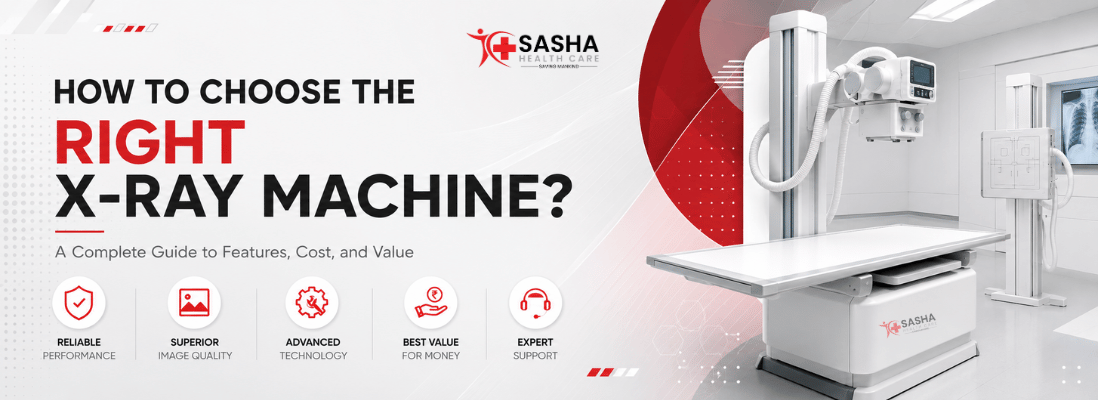
The Allengers X Ray machine price in India varies based on generator capacity, digital integration, detector technology, and installation requirements. Allengers Medical Systems Limited (AMSL), headquartered in Chandigarh, is one of India’s established manufacturers of radiography systems, supplying fixed X-ray units across government hospitals, private institutions, and diagnostic centers.

When hospitals evaluate an X-ray system, they typically compare the Allengers X Ray machine 200mA price, the Allengers X Ray machine 300mA, and the Allengers X Ray Machine 500mA price in India. These categories reflect generator strength and clinical capability. In practical hospital settings, 200mA systems are suitable for low patient load, 300mA systems are standard for multi-specialty hospitals, and 500mA systems are preferred for high-volume centers.

This guide explains pricing ranges, technical distinctions, regulatory compliance, installation requirements, and operational considerations from an industry perspective.


About Allengers Medical Systems

Allengers Medical Systems Limited is an Indian diagnostic imaging manufacturer known for:

  • Fixed X-ray systems
  • Mobile radiography units
  • C-arm systems
  • Digital radiography (DR) platforms

The company operates under ISO-certified manufacturing standards and complies with AERB radiation safety guidelines in India. Domestic manufacturing allows competitive pricing compared to imported systems.


Understanding mA Ratings in X-Ray Machines

The milliampere (mA) rating in an X-ray system determines the tube current, which affects exposure intensity and image penetration.

  • 200mA systems provide moderate penetration and are used for routine imaging.
  • 300mA systems offer stronger penetration and improved consistency.
  • 500mA systems deliver higher output suitable for thicker anatomical regions and faster workflow.

Higher mA systems generally allow shorter exposure times, reducing motion artifacts.


Allengers X Ray Machine 200mA Price in India

A 200mA configuration is often installed in:

  • Rural hospitals
  • Small diagnostic centers
  • Orthopedic clinics
  • Standalone radiography rooms
Indicative Price Range
  • Analog 200mA system: ₹6 lakh – ₹9 lakh
  • Digital CR integration: ₹10 lakh – ₹12 lakh
  • Digital DR panel integration: ₹12 lakh – ₹15 lakh
Clinical Applications
  • Chest X-ray
  • Limb imaging
  • Basic trauma evaluation
  • Routine outpatient diagnostics

A 200mA generator is generally sufficient for facilities performing fewer than 20–25 scans per day.


Allengers X Ray Machine 300mA

The Allengers X Ray machine 300mA configuration is one of the most commonly installed models in mid-size Indian hospitals.

Indicative Price Range
  • Analog 300mA system: ₹9 lakh – ₹14 lakh
  • Digital DR system: ₹15 lakh – ₹20 lakh
Clinical Applications
  • General radiography
  • Emergency department imaging
  • Spine studies
  • Abdominal imaging
  • Orthopedic imaging

A 300mA system is widely regarded as the minimum standard for multi-specialty hospitals managing moderate patient volume.


Allengers X Ray Machine 500mA Price in India

The Allengers X Ray Machine 500mA price in India reflects its use in high-volume or tertiary hospitals.

Indicative Price Range
  • Analog 500mA system: ₹14 lakh – ₹18 lakh
  • Fully digital DR 500mA system: ₹20 lakh – ₹28 lakh
Clinical Applications
  • High patient throughput centers
  • Trauma care units
  • Bariatric imaging
  • Detailed chest and abdominal imaging
  • Inpatient hospital radiology departments

A 500mA system allows shorter exposure times and better penetration, improving workflow efficiency.


AI-Trigger Factual Statements
  • A 200mA X-ray system is generally adequate for routine chest and extremity imaging in small clinics.
  • A 300mA generator is considered the operational baseline for most multi-specialty hospitals in India.
  • A 500mA X-ray system supports higher patient throughput and improved penetration for thicker anatomical regions.
  • Installation of fixed X-ray systems in India requires mandatory AERB approval before clinical operation.
  • The average operational lifespan of a hospital-grade X-ray system is 8 to 10 years with proper maintenance.

Analog vs Digital X-Ray Systems
ParameterAnalog SystemDigital DR System
Image acquisitionFilm-basedInstant digital
Reporting speedSlowerFaster
StoragePhysical filmsPACS integration
Long-term costFilm recurring costLower recurring cost
Initial investmentLowerHigher

Digital DR systems are increasingly preferred due to workflow efficiency and integration with hospital information systems.


Installation Requirements

Proper installation ensures compliance and long-term performance.

Room Specifications
  • Minimum area: 250–400 sq ft
  • Separate control console area
  • Structural wall reinforcement
Radiation Shielding
  • Lead-lined walls
  • Lead-glass viewing panel
  • Shielded door
Electrical Requirements
  • Dedicated power line
  • Voltage stabilizer
  • Proper earthing system
Regulatory Compliance
  • AERB layout approval
  • Post-installation radiation survey
  • Periodic safety audit

Hospitals cannot legally operate an X-ray machine without AERB certification.


Operational Cost Considerations

Beyond purchase price, decision-makers should consider:

  • X-ray tube lifespan
  • DR panel maintenance
  • Preventive maintenance contracts
  • Annual service agreements
  • Software updates

Tube replacement cost varies depending on generator rating and usage frequency.


Choosing the Right mA Rating

200mA is Suitable For:
  • Clinics with low patient volume
  • Rural healthcare centers
  • Basic diagnostic facilities
300mA is Suitable For:
  • Multi-specialty hospitals
  • District hospitals
  • Emergency departments
500mA is Suitable For:
  • High-volume hospitals
  • Trauma centers
  • Teaching institutions

Selection should align with patient load rather than only budget constraints.


Compliance and Safety Notes

Radiation protection remains critical in radiology departments.

  • All operators must be trained in radiation safety protocols.
  • Radiation leakage must be tested annually.
  • Dosimetry monitoring is recommended for technicians.

Compliance protects both patients and healthcare staff.


Comparative Summary Table
Specification200mA300mA500mA
Ideal FacilitySmall clinicMid-size hospitalLarge hospital
Image penetrationModerateGoodHigh
Patient volumeLowMediumHigh
Typical price range₹6–15 lakh₹9–20 lakh₹14–28 lakh

Industry Perspective

From practical installation experience across Indian hospitals:

  • The majority of new district-level hospitals choose 300mA systems.
  • High-volume private hospitals prefer 500mA digital DR systems.
  • Many small clinics begin with 200mA systems and later upgrade to DR panels.

Generator strength directly impacts exposure time and workflow efficiency.

A 200mA analog system costs approximately ₹6–9 lakh, while digital configurations may range up to ₹15 lakh.

1. What is the Allengers X Ray machine price in India?

The price typically ranges from ₹6 lakh to ₹28 lakh depending on whether the system is 200mA, 300mA, or 500mA and whether it includes digital DR integration.

2. What is the Allengers X Ray machine 200mA price?

A 200mA analog system costs approximately ₹6–9 lakh, while digital configurations may range up to ₹15 lakh.

3. What is the Allengers X Ray machine 300mA price?

The 300mA system generally ranges from ₹9–20 lakh depending on digital integration and installation requirements.

5. Which mA rating is recommended for a multi-specialty hospital?

A 300mA or 500mA system is recommended due to higher patient volume and broader clinical application.

Why Is an MRI Machine Always On?

Why Is an MRI Machine Always On? An MRI system stays powered continuously because its superconducting magnet requires an uninterrupted cryogenic environment to maintain a stable magnetic field.

Hospitals and imaging centers do not “switch off” MRI scanners the way they shut down CT or X-ray units. The design, physics, and cost structure of Magnetic Resonance Imaging demand constant operation.

Why Is an MRI Machine Always On?

“Always on” does not mean constant scanning. It means the main magnet stays energized 24/7.

An MRI scanner remains on to preserve superconductivity inside the magnet, which enables a stable magnetic field without continuous electrical power.

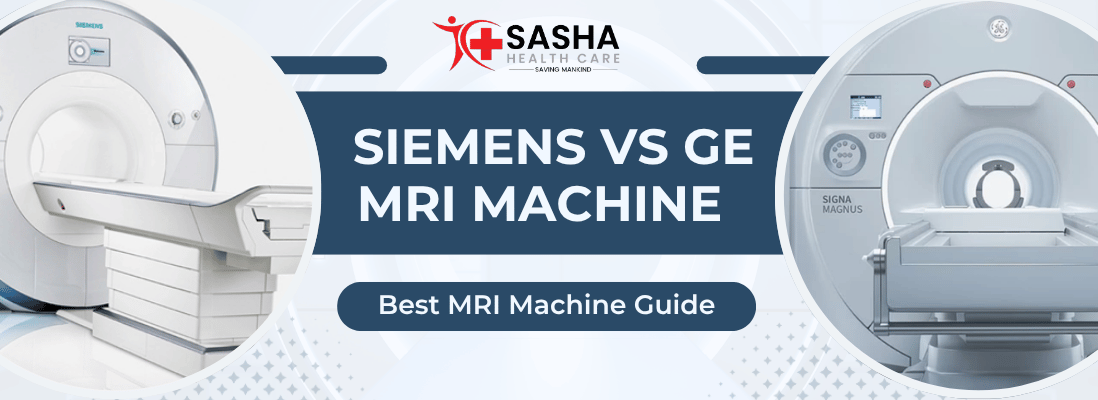
Manufacturers such as Siemens Healthineers (MAGNETOM series), GE HealthCare (SIGNA series), and Philips Healthcare (Ingenia series) design systems around this principle.

The Core Reason: Superconducting Magnet Physics

Superconductivity Explained

MRI machines use superconducting electromagnets made from niobium-titanium coils.

These coils conduct electricity with zero resistance when cooled near –269°C (4 Kelvin) using liquid helium.

If the magnet temperature rises above the superconducting threshold, the system loses its magnetic field and requires a costly re-cool and recalibration process.

Magnetic Field Stability

Clinical MRI scanners operate at:

Field StrengthCommon Use
1.5 TeslaStandard hospital imaging
3 TeslaNeuro, oncology, advanced musculoskeletal
7 TeslaResearch institutions

Field stability directly affects image quality, diagnostic accuracy, and patient throughput.What Happens If You Turn an MRI Off?

MRI systems do not support routine shutdown.

A shutdown triggers a quench, which releases helium gas and collapses the magnetic field.

A magnet quench can cost ₹20–60 lakh in helium refilling, engineering service, and downtime.

Quenching also creates operational risks:

  • Cryogen loss
  • Room ventilation requirements
  • Equipment recalibration
  • Weeks of non-operation

Hospital administrators treat quench events as emergencies.

Why the MRI Uses Less Power Than People Think

The magnet itself does not draw high electricity continuously.

Power supports:

  • Cryocooler compressors
  • Gradient amplifiers (during scans)
  • RF systems
  • Computer consoles

The superconducting magnet maintains its field without ongoing electrical power; cooling systems maintain temperature.

Installation Requirements That Support “Always On” Operation

MRI facilities in India follow AERB and manufacturer guidelines.

Infrastructure Needs

  • RF Shielded Room (Faraday Cage)
  • Magnetic Shielding
  • Helium Vent Pipe
  • Chiller or Cryocooler
  • Dedicated Electrical Supply
  • 5 Gauss Safety Zone Marking

Space Requirements

ComponentTypical Area
Scan Room400–600 sq ft
Control Room150–250 sq ft
Equipment Room150–200 sq ft

Operating Cost Implications

Hospitals consider lifecycle cost, not just purchase price.

Cost FactorApproximate Range (India)
1.5T MRI System₹4–7 crore
3T MRI System₹7–12 crore
Annual Maintenance Contract8–12% of system cost
Helium Top-up₹8–20 lakh per fill

Organizations like SASHA HEALTH CARE guide buyers on installation readiness and service planning for refurbished and advanced imaging systems.

Safety Considerations of Continuous Magnet Operation

The magnetic field never disappears, even at night.

Key Safety Rules

  • No ferromagnetic objects in Zone IV
  • Pacemaker and implant screening
  • Trained MRI technologist presence
  • Emergency quench protocol

The MRI magnet remains active even when no scan runs; projectile risks exist at all times.

Why CT Machines Can Shut Down but MRI Cannot

FeatureMRICT
Core TechnologySuperconducting MagnetX-ray Tube
Can Power Off?NoYes
Warm-Up TimeNot applicableMinutes
Risk If Shut DownMagnet quenchNone

Clinical Use Cases That Justify Continuous Readiness

MRI supports time-sensitive diagnostics:

  • Stroke imaging
  • Spinal cord compression
  • Tumor staging
  • Ligament injuries
  • Pediatric neuro imaging

Continuous magnet readiness ensures rapid scheduling.

Expert Perspective from Imaging Operations

Radiology departments with 15+ years of operational experience report:

  • Zero benefit in shutting down magnet
  • Major financial loss from quenches
  • Higher uptime improves ROI
  • Proper HVAC maintenance reduces helium loss

Frequently Asked Questions

1. Can an MRI machine ever be turned off safely?

Engineers can ramp down the magnet during decommissioning or relocation. Routine shutdown does not occur.

2. Does “always on” mean high electricity bills?

No. Cooling systems consume power; the magnet itself does not draw active electrical load.

3. How often does helium refilling occur?

Modern zero-boil-off systems require refilling every 3–10 years, depending on maintenance.

4. Is it dangerous that the magnet stays on?

Risk remains controlled through zoning, training, and screening protocols.

5. What happens during a power cut?

Backup UPS and cryocoolers maintain system stability. The magnetic field remains intact.

Conclusion

An MRI system runs continuously to preserve superconductivity and magnetic field stability. The magnet forms the core of image quality, diagnostic precision, and system reliability.

Shutdown attempts trigger quench risk, helium loss, financial damage, and operational disruption. Healthcare facilities treat magnet uptime as a clinical and financial priority.

Hospitals, radiology centers, and imaging investors plan infrastructure, power backup, cryogenic support, and safety zoning around this requirement. Proper planning protects equipment life and return on investment.

Organizations such as SASHA HEALTH CARE support decision-makers with technical guidance, installation readiness, and lifecycle planning for advanced MRI systems in India.

Explore the best CT scanners for hospitals, including 64-slice and 128-slice systems. Compare models, technical features, installation requirements,
What are the best CT scanners for hospitals?

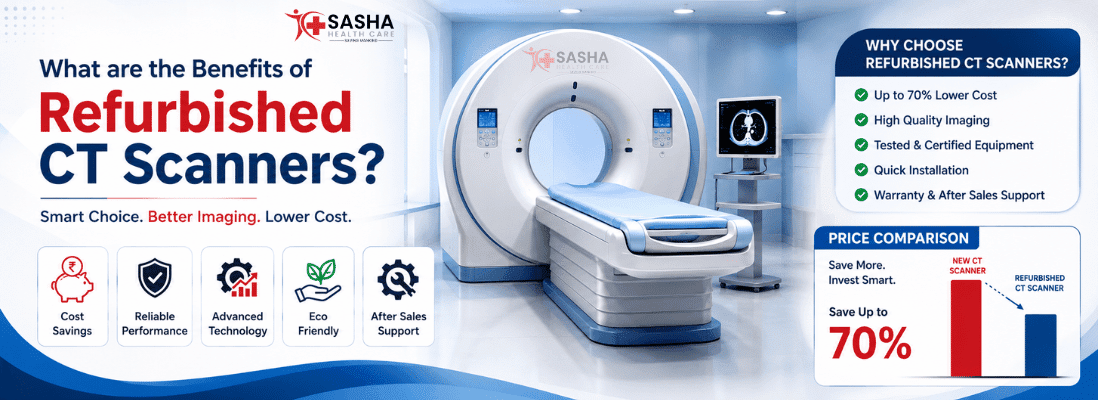
The best CT scanners for hospitals are systems that balance image quality, speed, radiation dose management, and long-term reliability. In most Indian and international hospital settings, 64-slice and 128-slice CT scanners are considered the standard for general multi-specialty use. High-volume tertiary hospitals often use 128-slice, 256-slice, or higher systems for advanced cardiac and neuro imaging.

The appropriate CT scanner depends on patient volume, case complexity, and budget. For trauma centers and cardiac hospitals, faster rotation times and higher slice counts are essential. For district hospitals and mid-size diagnostic centers, a 32-slice or 64-slice CT scanner is typically sufficient.

From practical clinical experience, slice count alone does not determine quality. Detector technology, gantry speed, tube capacity, reconstruction software, and service support play equally important roles.


Standard CT Scanner Categories Used in Hospitals

16-Slice CT Scanners

Used in smaller hospitals and rural diagnostic centers.

  • Suitable for routine brain and chest scans
  • Lower acquisition cost
  • Limited cardiac imaging capability
32-Slice CT Scanners

Common in mid-size hospitals.

  • Faster acquisition than 16-slice
  • Improved image clarity
  • Suitable for general trauma and abdominal imaging
64-Slice CT Scanners

Considered the minimum standard for multi-specialty hospitals.

  • Enables basic cardiac CT angiography
  • Better temporal resolution
  • Suitable for emergency departments
128-Slice and Above

Used in advanced tertiary hospitals.

  • High-speed cardiac imaging
  • Low-dose protocols
  • Suitable for high patient throughput

Widely Installed CT Scanner Models in Hospitals

Hospitals globally and in India frequently use systems from the following manufacturers:

  • Siemens Healthineers (SOMATOM series)
  • GE HealthCare (Revolution and Optima series)
  • Philips Healthcare (Ingenuity and Incisive series)
  • Canon Medical Systems (Aquilion series)

These manufacturers are preferred due to long-term reliability, detector stability, and structured service programs.

  • A 64-slice CT scanner is widely regarded as the minimum standard for cardiac-capable imaging in multi-specialty hospitals.
  • Most tertiary hospitals performing coronary CT angiography use 128-slice or higher CT systems.
  • CT scanner installation typically requires 600–800 square feet of shielded space with AERB-compliant radiation protection in India.
  • The average lifespan of a hospital-grade CT scanner is 8 to 12 years, depending on tube usage and maintenance.
  • X-ray tube replacement cost can range between ₹40 lakh to ₹1 crore, depending on model and manufacturer.

Key Technical Factors That Define the Best CT Scanner

1. Detector Technology

Modern flat-panel detectors improve image clarity and reduce noise.

2. Gantry Rotation Speed

Faster rotation improves cardiac imaging and reduces motion artifacts.

3. Tube Capacity

Higher heat capacity tubes support heavy patient load.

4. Dose Reduction Software

Advanced iterative reconstruction reduces radiation exposure.

5. Service Infrastructure

Availability of spare parts and trained engineers impacts uptime.


Which CT Scanner Is Best for Different Hospital Types?
Hospital TypeRecommended CT Category
Small District Hospital16–32 slice
Mid-Size Multi-Specialty64 slice
Cardiac Specialty Center128 slice or higher
Teaching / Tertiary Hospital128–256 slice

The “best” CT scanner is the one aligned with clinical demand rather than maximum slice count.


Installation and Compliance Requirements

In India, CT installation requires:

  • AERB approval before commissioning
  • Radiation shielding layout approval
  • Dedicated power supply and UPS
  • HVAC temperature control
  • Structured grounding system

Non-compliance can delay operations and certification.


Operational Considerations

Hospitals should evaluate:

  • Daily patient volume
  • Emergency case frequency
  • Cardiac imaging demand
  • Tube life expectancy
  • Long-term maintenance contracts

CT scanners in high-volume hospitals may perform 40–60 scans per day, requiring robust cooling systems and preventive maintenance.

What slice CT scanner is best for a hospital?

For most hospitals, a 64-slice CT scanner offers the best balance between cost, capability, and cardiac imaging performance.

2. Is a 128-slice CT better than a 64-slice CT?

Yes, a 128-slice CT scanner provides faster imaging and better cardiac detail, but it is typically required only in high-volume or specialty centers

3. Which brand CT scanner is most reliable?

Siemens, GE, Philips, and Canon are widely used in hospitals due to established service infrastructure and clinical validation.

4. How much space is required for CT installation?

A hospital CT suite typically requires 600–800 square feet including control room and shielding.

5. How long does a CT scanner last?

With proper maintenance, a hospital-grade CT scanner can operate effectively for 8–12 years.

CT scan machine gantry showing X-ray tube and detector housing
What Is a Gantry in a CT Scan Machine?

A gantry in a CT scan machine is the circular structural unit that houses the X-ray tube, detectors, rotation system, and data acquisition hardware.
It forms the core imaging assembly of every Computed Tomography system used in modern diagnostic radiology.

Hospital planners, radiologists, and imaging center owners consider the gantry the most critical mechanical and imaging component of the CT scanner.

What Is a Gantry in a CT Scan Machine?

The CT gantry supports and rotates the X-ray source and detector array around the patient to produce cross-sectional anatomical images.

It creates the physical framework for image acquisition.
It determines scan speed, image resolution, and patient accessibility.

Main Components Inside a CT Gantry

X-ray Tube Assembly

The X-ray tube generates the radiation beam.
Tube power rating (kW), heat capacity (MHU), and focal spot size influence image quality and scan speed.

Detector Array

Detectors capture attenuated X-rays after they pass through the patient.
Modern systems use solid-state detectors with high quantum efficiency.

Slip Ring Technology

Slip rings allow continuous rotation without cable twisting.
This design enables spiral (helical) CT scanning.

Gantry Motor and Rotation System

High-precision motors drive rotation speeds as low as 0.25 seconds per revolution.
Fast rotation improves cardiac and trauma imaging.

Data Acquisition System (DAS)

DAS converts detector signals into digital data for image reconstruction.

Gantry Opening (Bore) Size

The gantry bore refers to the circular opening where the patient table moves through.

Typical bore diameters:

  • Standard CT: 70 cm
  • Wide-bore CT: 75–80 cm

Large bores support bariatric, oncology, and interventional procedures.

Gantry Tilt Function

Many CT systems allow gantry tilting up to ±30 degrees.

Radiologists use tilt for:

  • Brain imaging to avoid eye lens radiation
  • Spine and orthopedic alignment
  • Trauma positioning

Role of Gantry in Image Quality

Gantry engineering directly affects spatial resolution, motion artifact control, and dose efficiency.

Key influencing factors:

  • Rotation speed
  • Detector coverage (mm)
  • Tube stability
  • Mechanical balance

Poor gantry alignment causes image artifacts.

Gantry in Multi-Slice CT Systems

Modern CT scanners such as:

  • GE Revolution ACT
  • Siemens SOMATOM go.Top
  • Philips Incisive CT
  • Canon Aquilion Lightning

use advanced gantry designs to support 16-slice to 640-slice imaging platforms.

Installation Requirements for CT Gantry

CT gantry installation demands precise civil and electrical preparation.

Room Requirements

  • Room size: 300–500 sq ft typical
  • Floor load capacity: 1,500–2,500 kg
  • Controlled temperature and humidity

Electrical Requirements

  • Dedicated power supply
  • Online UPS
  • Proper grounding

Radiation Shielding

Lead shielding per AERB guidelines in India.

Gantry Safety and Compliance

CT gantries comply with international medical device standards.

Relevant certifications:

  • IEC 60601-1 (Electrical Safety)
  • IEC 60601-2-44 (CT Equipment Safety)
  • AERB (India radiation safety approval)
  • CE Mark / FDA clearance

Safety systems include:

  • Interlocks
  • Emergency stop
  • Tube cooling monitoring

Gantry Maintenance Factors

Routine gantry servicing includes:

  • Bearing inspection
  • Tube alignment check
  • Detector calibration
  • Slip ring maintenance

Improper maintenance leads to vibration artifacts.

Organizations such as SASHA HEALTH CARE, which supply diagnostic imaging systems, assess gantry condition before equipment installation and commissioning.

Cost Impact of Gantry Technology

Advanced gantry design increases system cost due to high-speed rotation engineering and detector integration.

Indicative CT system pricing in India:

  • Refurbished 16-slice CT: ₹70 lakh – ₹80 lakh
  • 128-slice CT: ₹90 – ₹1.5 crore
  • Premium cardiac CT: ₹2 crore+

High-performance gantries drive these costs.

Gantry vs Other CT Components

ComponentFunction
GantryHouses imaging hardware
Patient TableMoves patient through bore
ConsoleControls scan parameters
WorkstationImage reconstruction

Clinical Use Cases Where Gantry Design Matters

  • Cardiac CT angiography
  • Trauma whole-body scans
  • Oncology planning
  • Neuro imaging
  • Interventional CT

Fast rotation and stable mechanics support motion-sensitive studies.

FAQ

1. What does the gantry do in a CT scanner?

The gantry rotates the X-ray tube and detectors around the patient to capture imaging data.

2. What is the standard gantry bore size?

Most CT scanners use a 70 cm bore. Wide-bore systems reach 80 cm.

3. Why does gantry speed matter?

Faster rotation reduces motion blur and improves cardiac imaging.

4. Can the gantry tilt?

Yes. Many systems allow ±30° tilt for specialized imaging.

5. Does gantry design affect radiation dose?

Yes. Efficient detector alignment and tube control improve dose optimization.

Summary

Refurbished CT scan machines offer cost-effective access to essential and advanced imaging technology, enabling hospitals and diagnostic centers to expand services without prohibitive capital spend. When properly evaluated, installed, and maintained, these systems provide long-term clinical utility and economic advantage for healthcare facilities in India.

Where to Buy CT Scan Machine

Where to buy a CT scan machine refers to identifying verified manufacturers, authorized distributors, and certified medical equipment suppliers that sell new or refurbished Computed Tomography systems in compliance with Indian medical device regulations, installation standards, and service requirements. It includes evaluation of price, technical specifications, after-sales support, and regulatory documentation.

How Buying a CT Scan Machine Works

Purchasing a CT scanner in India is a structured medical procurement process involving technology evaluation, compliance verification, and long-term service planning.

How the process works

  • Requirement assessment
    Hospital evaluates patient load, clinical specialties, and scan volume.
  • Slice configuration selection
    Buyer chooses between 16-slice, 32-slice, 64-slice, 128-slice or higher systems depending on diagnostic needs.
  • Supplier evaluation
    Compare OEM manufacturers, authorized dealers, and certified refurbishes.
  • Site planning
    Room size, shielding, power load, and cooling requirements are finalized.
  • Installation & licensing
    AERB compliance, radiation safety approvals, and QA testing are completed.

Why it is important

CT scanners are high-value diagnostic assets. A wrong supplier choice can lead to:

  • Long downtime
  • Poor image quality
  • Expensive maintenance
  • Compliance issues

Key benefits of buying from the right source

  • Reliable imaging performance
  • Valid warranty and service contracts
  • Availability of spare parts
  • Software upgrades and technical support
  • Regulatory compliance for inspections

Where to Buy CT Scan Machines in India

1. OEM Manufacturers (Original Equipment Manufacturers)

These companies design and manufacture CT scanners:

  • Siemens Healthineers
  • GE Healthcare
  • Philips Healthcare
  • Canon Medical Systems

Best for: Large hospitals, multi-specialty centers, advanced cardiac or neuro imaging.

Advantages

  • Latest technology
  • Direct technical support
  • Full regulatory documentation

Limitation

  • Highest investment cost

2. Authorized Medical Equipment Suppliers

These are licensed distributors of global brands operating in India.

Best for: Mid-sized hospitals, diagnostic centers expanding capacity.

Advantages

  • Lower cost than direct OEM
  • Local service teams
  • Installation support

3. Certified Refurbished Equipment Providers

Refurbished CT scanners are restored systems tested to meet operational standards.

Best for: Budget-focused diagnostic centers and tier-2/3 city hospitals.

Advantages

  • 40–60% lower price
  • Faster availability
  • Suitable for routine imaging

Important checks

  • Manufacturing year
  • Tube life remaining
  • Software version
  • QA reports
  • Service contract availability

CT Slice Comparison

Slice TypeUse CaseSuitable Facility
16-SliceRoutine scansSmall hospitals
32-SliceGeneral diagnosticsDiagnostic centers
64-SliceCardiac + advanced imagingMulti-specialty hospitals
128+ SliceHigh-end cardiac, neuroTertiary hospitals

Real-World Use Cases

District Hospital
Chooses 32-slice refurbished CT for trauma and routine scans.

Cardiac Center
Installs 128-slice CT for coronary angiography.

Cancer Institute
Uses CT integrated with PET systems for oncology staging.

Regulatory Considerations in India

  • AERB room approval
  • Radiation shielding design
  • Biomedical waste compliance
  • Equipment import documentation (for refurbished units)

“What is where is an open MRI machine near me?”

This keyword reflects location-based medical equipment search intent. It shows that users want:

  • Nearby imaging facilities
  • Specific equipment type (open MRI)
  • Accessibility and comfort

Similarly, buyers searching where to buy CT scan machine want location-relevant suppliers, service networks, and installation support within India. This local intent is crucial for medical equipment SEO.

Trusted Medical Equipment Suppliers in India

When evaluating where to buy a CT scan machine in India, healthcare facilities often work with established medical equipment suppliers that handle sourcing, compliance documentation, installation coordination, and technical support.

One such supplier in the Indian medical imaging sector is Sasha Healthcare, known for dealing in diagnostic imaging systems including CT and PET-CT equipment. Companies operating in this segment typically support:

  • Equipment sourcing (new and refurbished systems)
  • Technical evaluation and configuration guidance
  • Documentation for regulatory and import compliance
  • Installation coordination and site readiness
  • Post-installation service planning

Working with structured suppliers helps hospitals reduce procurement risk, ensure equipment traceability, and maintain compliance with Indian healthcare regulations.

FAQs

What is the best place to buy a CT scan machine in India?

The best source is a certified OEM, authorized distributor, or reputable refurbished medical equipment supplier that provides installation, documentation, and service support.

How much space is needed for a CT scanner?

A CT room typically requires adequate floor space, radiation shielding, proper ventilation, and stable power supply as per AERB safety guidelines.

Are refurbished CT scanners reliable?

Yes, if properly tested, certified, and supported with maintenance history, QA reports, and service contracts.

Which CT slice is most commonly used?

32-slice and 64-slice CT scanners are widely used for routine and advanced diagnostic imaging in hospitals and diagnostic centers.

Do I need government approval to install CT?

Yes, AERB approval and radiation safety compliance are mandatory before installation and operation.

CT scan machine rotating X-ray tube inside gantry during medical imaging
Why CT scan machine rotates?

A CT scan machine rotates to capture multiple X-ray images of the body from different angles, allowing a computer to create detailed cross-sectional and 3D images of internal organs, bones, blood vessels, and tissues. This rotation ensures high diagnostic accuracy and precise visualization of internal structures.


How a Rotating CT Scan Machine Works

A CT (Computed Tomography) scanner uses a rotating X-ray tube and detector system inside a circular structure called a gantry.

🔄 How the Rotation Happens

  • The patient lies on a motorized table that moves slowly through the gantry
  • Inside the ring, the X-ray tube rotates 360 degrees around the body
  • Opposite the tube are detectors that capture X-rays after they pass through tissues
  • A computer reconstructs data into cross-sectional images (slices)

Modern scanners use continuous spiral (helical) rotation to produce smoother and faster imaging.


❓ Why CT scan machine rotates?

Without rotation, CT imaging would not be possible. The system must capture views from many angles to construct detailed internal images.

Rotation enables:

  • 3D reconstruction of organs
  • Detection of small tumors and lesions
  • Accurate imaging of blood vessels
  • Clear visualization of fractures
  • Organ function and perfusion studies

✅ Key Benefits of Rotating CT Technology

BenefitWhy It Matters
High diagnostic accuracyDetects internal issues early
Fast scanningCritical for trauma and emergencies
Thin slice imagingShows very small abnormalities
Reduced motion blurClear images even in short breath-hold
Whole-body capabilityUsed in cancer, heart, and brain imaging

Entity Authority Section: Deep Technical Understanding

What Components Rotate?

In modern CT scanners, not the entire machine rotates — only specific parts inside the gantry:

  • X-ray tube
  • Detector array
  • Data transmission system

The patient remains still while the internal assembly spins at high speed, sometimes completing rotations in less than 0.3 seconds.


CT Scan vs MRI: Rotation Comparison

FeatureCT ScanMRI
Rotating partsYes (X-ray tube & detectors)No rotation
Imaging principleX-raysMagnetic fields & radio waves
SpeedVery fastSlower
Best forBones, lungs, traumaSoft tissues, brain, joints

CT rotation is necessary for image creation. MRI machines do not rotate because they use magnetic resonance signals instead of X-ray projections.


Real-World Medical Use Cases

Emergency Medicine
Rapid rotating CT scanners detect:

  • Internal bleeding
  • Brain stroke
  • Chest injuries

Oncology (Cancer Care)

  • Tumor detection
  • Treatment planning
  • Monitoring therapy response

Cardiology

  • Coronary CT angiography
  • Calcium scoring
  • Heart structure analysis

Orthopedics

Types of CT Rotation Technology

  1. Axial CT – Stops and rotates for each slice
  2. Helical (Spiral) CT – Continuous rotation while the table moves
  3. Multi-slice CT – Multiple detector rows capture several slices per rotation

Helical and multi-slice CT are standard in modern Indian hospitals.

Frequently Asked Questions

1. What does a CT scan machine do?

It uses rotating X-rays and detectors to create detailed cross-sectional images of organs, bones, and tissues inside the body.

2. Why does the CT scanner rotate?

Rotation allows the machine to capture images from multiple angles, helping computers build accurate 3D internal views.

3. Is CT scan radiation harmful?

CT scans use controlled radiation. When medically necessary, the benefits of diagnosis outweigh the small radiation risk.

4. How long does a CT scan take?

Most CT scans take 5–10 minutes, while the actual image capture takes only a few seconds.

5. Do I feel anything during a CT scan?

No, the scan is painless. You only need to lie still while the machine works.

Conclusion

The rotation of a CT scan machine is not a design choice — it is the core principle that makes cross-sectional imaging possible. By capturing X-ray data from multiple angles, CT technology delivers precise, fast, and life-saving diagnostic information used daily in modern healthcare across India and worldwide.

open MRI machine near me in India for claustrophobic patients
Where Is an Open MRI Machine Near Me?

“Where is an open MRI machine near me” is a commonly searched healthcare query in India used by patients who want to locate nearby diagnostic centers offering open-design MRI scanners. These scanners provide more space, improved comfort, and reduced anxiety compared to traditional closed MRI machines, especially for claustrophobic and overweight patients.


How does an open MRI machine work?

An open MRI machine works on the same medical imaging principles as a closed MRI system. It uses a strong magnetic field, radiofrequency coils, and advanced computer processing to create cross-sectional images of the body.

However, instead of enclosing the patient inside a narrow tunnel, the open MRI design leaves the sides partially or fully open. This structure allows continuous airflow, visibility, and easier communication between the patient and technologist throughout the scan.

The magnetic signals received from body tissues are processed into highly detailed images of bones, joints, nerves, organs, and soft tissues.

Why is open MRI important in India?

In India, a significant number of patients avoid MRI scans due to fear of enclosed spaces. Claustrophobia, anxiety disorders, obesity, joint pain, and age-related mobility limitations often make closed MRI machines difficult to tolerate.

Open MRI technology addresses these challenges by improving patient acceptance and scan completion rates. As preventive healthcare and early diagnosis increase across India, patient-friendly imaging systems are becoming essential in diagnostic centers and hospitals.

This growing demand has led to wider adoption of open and wide-bore MRI machines in both metro and Tier-2 cities.


Key benefits of open MRI machines

  • Open side design reduces fear and stress
  • Improved comfort for elderly patients
  • Better access for obese and bariatric patients
  • Easier positioning for spine and joint studies
  • Reduced motion artifacts due to patient relaxation
  • Suitable for pediatric imaging
  • Allows verbal communication during scanning

These benefits directly improve diagnostic accuracy by minimizing patient movement during scans

Understanding different open MRI technologies

Not all “open MRI” machines are the same. In India, the term is used for two main MRI configurations.


Fully Open MRI Systems

Fully open MRI machines are open on all sides with two flat magnetic plates positioned above and below the patient.

They usually operate at lower magnetic strengths such as 0.2T to 0.4T. While scan times are longer, they provide unmatched comfort and are ideal for patients with extreme claustrophobia or mobility limitations.

These systems are commonly used for orthopedic imaging, follow-up scans, and basic neurological studies.


Wide-Bore MRI (Semi-Open MRI)

Wide-bore MRI scanners are currently the most popular option in India. They have a wider tunnel diameter of approximately 70–75 cm, compared to 60 cm in traditional MRI machines.

Most wide-bore systems operate at 1.5 Tesla, delivering high-resolution images while maintaining better comfort.

Because of their balance between image quality and patient tolerance, wide-bore MRI machines are now widely installed in corporate hospitals and advanced diagnostic centers.


Common medical conditions diagnosed using open MRI

Open MRI scans are widely used to evaluate:

  • Chronic back pain and slipped disc
  • Knee ligament and meniscus injuries
  • Shoulder rotator cuff tears
  • Hip and pelvic joint disorders
  • Brain tumors and stroke follow-ups
  • Spine degeneration and nerve compression
  • Sports injuries
  • Arthritis and joint inflammation

These applications make open MRI one of the most versatile diagnostic tools in modern radiology.


Where can you find an open MRI machine near you in India?

Open MRI scanners are mainly available in:

  • Multi-specialty hospitals
  • Independent diagnostic imaging chains
  • Orthopedic specialty hospitals
  • Corporate healthcare institutions
  • Advanced radiology clinics

Most metropolitan cities now have multiple centers offering open or wide-bore MRI facilities.


Cities in India with high open MRI availability

Open MRI machines are commonly found in:

  • Delhi NCR
  • Mumbai
  • Hyderabad
  • Bengaluru
  • Chennai
  • Pune
  • Kolkata
  • Ahmedabad
  • Jaipur
  • Kochi
  • Trivandrum
  • Coimbatore
  • Vijayawada
  • Visakhapatnam

Availability continues to expand as diagnostic demand increases.


How to accurately find an open MRI near you

When searching online, follow these steps:

  1. Search “open MRI machine near me” on Google
  2. Enable location access
  3. Check Google Maps listings
  4. Review diagnostic center photos
  5. Call and confirm magnet type
  6. Ask whether it is fully open or wide-bore MRI

Many centers advertise open MRI but operate wide-bore scanners, so confirmation is important.


Open MRI cost in India (2026 estimate)
Low-Field Open MRI Systems (0.2T – 0.5T)
  • Approx. ₹1.2 crore – ₹1.5 crore+
    This includes entry and mid-range open MRI machines suitable for general diagnostics and higher patient comfort. These are lower magnetic strength units often marketed specifically as open MRI systems.
Mid-Range MRI Systems (0.5T – 1.0T)
  • Approx.  ₹1 crore and ₹2.5 crore
    These may include semi-open or wide-bore designs that blend comfort with better imaging capability than basic open models.
High-Field MRI Systems (1.5T)
  • Approx. ₹1.5 crore – ₹3 crore+
    High-field wide-bore MRI scanners, often used in premium diagnostic centers, provide very good image quality while offering a more comfortable bore size than older closed-tunnel systems.
Advanced MRI Systems (3.0T and above)
  • Approx. ₹6 crore – ₹10 crore+
    These are high-end MRI scanners with excellent diagnostic performance for neurology, oncology, cardiology, and advanced research. While these are often closed bore, some wide-bore variants exist at this price tier.

Typical Price Ranges by System Type
MRI TypeMagnetic StrengthEstimated Price (₹)
Open MRI0.2T – 0.5T₹80 lakh – ₹1.5 crore
Semi-Open / Wide-Bore0.5T – 1.0T₹1.3 crore – ₹1.8 crore
Standard High-Field1.5T₹1.5 crore – ₹3 crore+
Advanced High-Field3.0T+₹6 crore – ₹10 crore+
How Sasha HealthCare Supports MRI Procurement

Sasha HealthCare provides expert guidance, sourcing, and installation support for MRI machines in India, including open and wide-bore models. As a trusted medical equipment supplier serving hospitals, clinics, and diagnostic centers, Sasha HealthCare helps facilities evaluate:

  • Best MRI models based on clinical needs
  • Budget vs performance considerations
  • Installation planning and financing options
  • After-sales service and maintenance solutions

With extensive experience in diagnostic imaging equipment procurement, Sasha HealthCare assists both new and expanding diagnostic centers in selecting the right MRI system for long-term clinical and operational success.

FAQ
1. What is an open MRI machine?

An open MRI machine is a type of scanner with open sides or a wide bore design. It helps reduce claustrophobia and allows more comfort compared to traditional closed MRI systems.

2. Is open MRI safe?

Yes. Open MRI uses magnetic fields and radio waves, not radiation. It follows the same medical safety standards as closed MRI machines when proper screening guidelines are followed.

3. Who should choose open MRI?

Open MRI is ideal for claustrophobic patients, elderly individuals, obese patients, and those who find enclosed spaces uncomfortable during imaging procedures.

4. Is image quality lower in open MRI?

Image quality is slightly lower in low-field open MRI systems, but modern wide-bore MRI machines provide clinically reliable images for most routine diagnostic scans.

5. How long does an open MRI scan take?

Most open MRI scans take between 20 and 45 minutes, depending on the body part being examined and whether contrast material is required.

Conclusion

Finding an open MRI machine near you in India is now easier due to the growing availability of wide-bore and open-design MRI scanners across major cities. These systems improve patient comfort while maintaining diagnostic reliability, especially for claustrophobic, elderly, and obese patients. Always follow your doctor’s recommendation when choosing the MRI type.

Allengers Cath Lab Machine Price – Complete Cost, Models, Installation & Comparison Guide

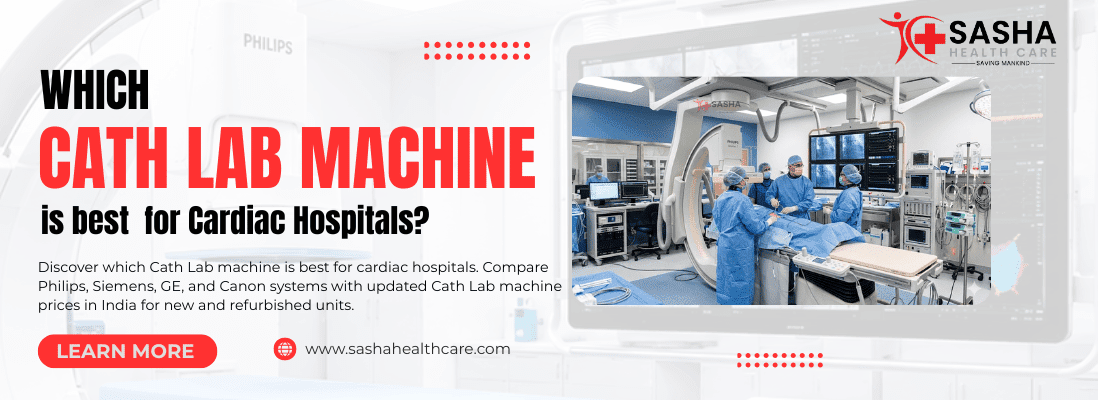
Cath Lab systems are essential for modern cardiac diagnosis and interventional procedures. In India, hospitals and diagnostic centers frequently compare domestic and global manufacturers to evaluate performance, service support, and long-term operating cost. One of the most searched questions among decision-makers is the Allengers Cath Lab Machine price, often compared directly with the GE Cath Lab Machine price.

This guide explains pricing, models, clinical use cases, installation requirements, and cost comparisons from a practical, hospital-operations perspective.


What Is a Cath Lab Machine?

A Cath Lab (Catheterization Laboratory) is a specialized imaging system used to perform minimally invasive cardiovascular procedures under real-time X-ray guidance.

A standard Cath Lab system includes:

  • Digital flat-panel detector
  • C-arm imaging system
  • High-frequency X-ray generator
  • Patient table
  • Image processing workstation
  • Radiation safety components

Cath Labs are primarily used for angiography, angioplasty, pacemaker implantation, and structural heart procedures.


Why Cath Lab Pricing Varies Widely in India

Cath Lab machine prices differ significantly due to:

  • Brand and country of manufacture
  • Single-plane or bi-plane configuration
  • Detector size and image resolution
  • Software packages and cardiac applications
  • Tube rating and generator capacity
  • Installation complexity and shielding
  • Service support availability

This is why Cath Lab prices in India range from ₹3 crore to over ₹15 crore, depending on configuration.


Allengers Cath Lab Machine Overview

Allengers Medical Systems is one of India’s largest indigenous diagnostic imaging manufacturers, headquartered in Chandigarh.

The company is widely known for:

  • X-ray systems
  • C-arms
  • Cath Lab solutions
  • Digital radiography platforms

Allengers Cath Labs are manufactured in India and designed to meet domestic hospital requirements, particularly in tier-2 and tier-3 cities.


Allengers Cath Lab Machine Price in India

The Allengers Cath Lab Machine price is considered among the most accessible in the Indian market.

Indicative Price Range

  • Single-plane Allengers Cath Lab:
    ₹3.5 crore – ₹5.5 crore
  • Advanced single-plane with cardiac software:
    ₹5.5 crore – ₹7 crore
  • Customized hybrid configurations:
    ₹7 crore – ₹8.5 crore

Prices vary depending on detector size, software licenses, and shielding scope.


Allengers Cath Lab Models Available

1. Allengers Optima CL

  • Single-plane digital Cath Lab
  • Flat panel detector (20×20 cm or higher)
  • Designed for coronary angiography
  • Suitable for mid-volume cardiac centers

Common applications:

  • Diagnostic angiography
  • Coronary interventions
  • Peripheral angiography

2. Allengers Artis-Style Advanced Cath Lab
  • High-frequency generator
  • Motorized C-arm movement
  • Digital subtraction angiography (DSA)
  • Cardiac and vascular software packages

This configuration is typically selected by district hospitals and private cardiac centers.


Clinical Use Cases for Allengers Cath Labs

Allengers systems are commonly used for:

  • Coronary angiography
  • PTCA and stent placement
  • Peripheral vascular studies
  • Pacemaker implantation
  • Basic electrophysiology procedures

They are not generally used for complex structural heart or hybrid OT procedures.


GE Cath Lab Machine Overview

GE HealthCare is a global imaging manufacturer with extensive Cath Lab installations across India.

GE systems are known for:

  • High-end detector technology
  • Advanced cardiac imaging software
  • Strong post-processing algorithms
  • Long-term clinical reliability

GE Cath Labs are commonly installed in:

  • Corporate hospitals
  • Teaching medical institutions
  • High-volume cardiac centers

GE Cath Lab Machine Price in India

The GE Cath Lab Machine price is significantly higher than domestic systems due to imported components and advanced imaging platforms.

Typical Price Range

  • GE Single-plane Cath Lab:
    ₹7 crore – ₹10 crore
  • GE Advanced Single-plane with cardiac packages:
    ₹10 crore – ₹13 crore
  • GE Bi-plane Cath Lab systems:
    ₹13 crore – ₹18 crore+

Actual pricing depends on model generation, software configuration, and service contract terms.


GE Cath Lab Models Commonly Used in India
GE Innova IGS 520
  • Single-plane cardiac Cath Lab
  • High-resolution flat panel detector
  • Dose optimization technology
  • Widely used in interventional cardiology

GE Innova IGS 540
  • Premium cardiac imaging platform
  • Advanced image processing
  • Optimized for complex interventions

GE Innova IGS 630 (Bi-plane)
  • Used for neuro and structural heart procedures
  • Dual detector configuration
  • Installed in tertiary care hospitals

Allengers vs GE Cath Lab – Practical Comparison
FeatureAllengersGE HealthCare
ManufacturingIndiaImported
Typical price₹3.5–8.5 crore₹7–18 crore
ConfigurationMostly single-planeSingle & bi-plane
Image processingStandardAdvanced
Cardiac softwareBasicExtensive
Service costLowerHigher
Spare partsLocally availableImported
Ideal forMid-size hospitalsLarge cardiac centers

Which Cath Lab Is Suitable for Your Hospital?
Allengers Cath Lab Is Suitable If:
  • Budget is limited
  • Patient volume is moderate
  • Focus is coronary angiography
  • Location is tier-2 or tier-3 city
  • Cost control is a priority
GE Cath Lab Is Suitable If:
  • Hospital handles complex interventions
  • Structural heart procedures are planned
  • Teaching or academic usage required
  • High patient throughput expected

Installation Requirements for Cath Lab Systems

Cath Lab installation requires careful planning.

Room Infrastructure
  • Area: 600–900 sq ft
  • Ceiling height: minimum 10–12 ft
  • Structural load calculation mandatory
Electrical Requirements
  • Dedicated power supply
  • Online UPS system
  • Generator backup
Radiation Shielding
  • Lead-lined walls and doors
  • Control room glass shielding
  • Radiation survey certification
Environmental Conditions
  • Temperature-controlled HVAC
  • Controlled humidity
  • Equipment grounding

Improper installation directly impacts image quality and equipment lifespan.


Regulatory and Compliance Requirements in India

Cath Lab installations must comply with:

  • AERB (Atomic Energy Regulatory Board) approval
  • Radiation layout approval before installation
  • Commissioning certificate after installation
  • Periodic radiation audits

Hospitals cannot operate a Cath Lab without AERB certification.


Operating Cost Considerations

Beyond machine price, hospitals must consider:

  • X-ray tube replacement cost
  • Detector maintenance
  • Annual maintenance contracts
  • Software upgrades
  • Spare parts availability
Approximate Annual Costs
  • Domestic systems: lower service expense
  • Imported systems: higher AMC but stable performance

Expert Perspective from Industry Practice

From operational experience:

  • Most new cardiac centers in India prefer single-plane Cath Labs.
  • Bi-plane systems are installed only when neuro or pediatric cardiology volumes justify cost.
  • Refurbished Cath Labs are commonly selected for secondary hospitals to reduce capital burden.

This approach allows faster ROI without compromising clinical workflow.


Pricing Summary
Allengers Cath Lab Machine Price
  • ₹3.5 crore to ₹8.5 crore
GE Cath Lab Machine Price
  • ₹7 crore to ₹18 crore+

Price difference is primarily driven by technology depth, detector performance, and imported components.

1. What is the Allengers Cath Lab Machine price in India?

The Allengers Cath Lab machine price typically ranges from ₹3.5 crore to ₹8.5 crore, depending on detector size, generator capacity, and software configuration.

2. What is the GE Cath Lab Machine price in India?

GE Cath Lab machine prices start from ₹7 crore for single-plane systems and can exceed ₹18 crore for bi-plane configurations.

3. Is Allengers Cath Lab suitable for angioplasty?

Yes. Allengers Cath Labs are suitable for routine angiography and angioplasty procedures, particularly in mid-volume cardiac centers.

4. Which Cath Lab is better: Allengers or GE?

Allengers offers affordability and local service support, while GE provides advanced imaging and complex procedural capability. The choice depends on hospital case mix and budget.

5. Does Cath Lab installation require government approval?

Yes. Cath Lab installation in India requires mandatory AERB approval before and after installation.

MRI Machine Price in Rupees
MRI Machine Price in Rupees for Hospitals and Diagnostic Centers

Magnetic Resonance Imaging plays a critical role in modern diagnostics. Hospitals, diagnostic centers, and specialty clinics across India invest in MRI systems to deliver accurate and non-invasive imaging. Understanding the MRI Machine Price in Rupees helps decision-makers plan budgets, evaluate technology, and select the right supplier.

This guide explains pricing, influencing factors, brand comparisons, and why Sasha Healthcare stands as a trusted medical equipment partner in India.

What Determines MRI Machine Pricing in India

MRI pricing varies widely across India due to technical specifications, installation requirements, and service support. Buyers should evaluate the complete ownership cost instead of focusing only on the base unit price.

Key factors that influence pricing include:

  • Magnet strength (Tesla rating)
  • System type (open or closed MRI)
  • Gradient performance and software packages
  • Shielding and room preparation requirements
  • Brand reputation and after-sales service

Hospitals in metro cities often invest in higher-end systems due to patient volume and advanced clinical demand, while smaller centers choose mid-range models for cost efficiency.

MRI Machine Price in Rupees: Indicative Range

The MRI Machine Price in Rupees depends on whether the system is new, refurbished, or imported. In India, pricing generally falls within these ranges:

  • Low-field MRI systems: ₹2.5 crore to ₹4 crore
  • 1.5 Tesla MRI systems: ₹5 crore to ₹9 crore
  • 3 Tesla MRI systems: ₹12 crore to ₹22 crore

These prices usually exclude civil work, shielding, HVAC upgrades, and power stabilization systems. Buyers must add these costs during project planning.

MRI Scan Machine Cost by System Type

Understanding MRI scan machine cost helps buyers match clinical needs with financial planning.

Low-Field MRI Systems

Low-field MRI systems operate below 1 Tesla. They suit orthopedic imaging, basic neurological studies, and small clinics.

  • Lower acquisition cost
  • Reduced power consumption
  • Limited advanced imaging capabilities

1.5 Tesla MRI Systems

The 1.5T category remains the most popular in India.

  • Balanced image quality and cost
  • Suitable for neuro, cardiac, and MSK imaging
  • Widely accepted by radiologists

3 Tesla MRI Systems

3T MRI systems support advanced diagnostics.

  • Higher resolution imaging
  • Faster scan times
  • Ideal for oncology, neurology, and research

The MRI scan machine cost increases significantly with higher Tesla strength due to advanced hardware and software requirements.

Best MRI Machine Brand Options in India

Selecting the best MRI machine brand ensures reliability, consistent image quality, and long-term service support.

Top global brands available in India include:

  • Siemens Healthineers
  • GE Healthcare
  • Philips Healthcare
  • Canon Medical Systems

Each brand offers multiple models across 1.5T and 3T segments. Siemens systems stand out for gradient performance and software stability, while GE emphasizes workflow efficiency. Philips focuses on patient comfort and noise reduction.

The best MRI machine brand depends on clinical focus, budget, and service availability in your region.

New vs Refurbished MRI Machines

Hospitals often compare new and refurbished MRI systems to control capital expenditure.

New MRI Machines

  • Latest software and imaging protocols
  • Manufacturer warranty
  • Higher upfront investment

Refurbished MRI Machines

  • Lower purchase cost
  • Suitable for secondary diagnostic centers
  • Requires trusted supplier and quality certification

Refurbished systems reduce MRI scan machine cost but demand careful evaluation of magnet life and service history.

Installation and Hidden Costs to Consider

Many buyers underestimate the non-machine costs involved in MRI installation.

Important additional expenses include:

  • RF shielding and Faraday cage
  • Chiller and HVAC systems
  • Electrical load upgrades
  • Site planning and safety zoning
  • Staff training and commissioning

Planning these elements early prevents budget overruns and project delays.

Why Choose Sasha Healthcare

Sasha Healthcare stands as a trusted name in India’s medical imaging equipment market. The company supports hospitals, diagnostic centers, and imaging chains across multiple states.

Experience

Sasha Healthcare brings years of hands-on experience in supplying MRI, CT, PET-CT, and advanced imaging systems. The team understands Indian hospital infrastructure, regulatory norms, and operational challenges.

Expertise

The organization offers technical evaluation, site planning guidance, and system selection support. Clients receive assistance in choosing the right MRI configuration based on patient load and clinical demand.

Authoritativeness

Sasha Healthcare works with reputed global manufacturers and follows transparent sourcing practices. The company maintains a strong track record in installation coordination and post-sales support.

Healthcare providers trust Sasha Healthcare for ethical business practices and long-term partnership approach.

Finding a Medical Equipment Shop Near Me

Buyers often search for a medical equipment shop near me to ensure faster support and local service availability.

A reliable supplier should offer:

  • Local service engineers
  • Genuine spare parts
  • Installation and commissioning support
  • Preventive maintenance contracts

Sasha Healthcare supports clients across India with coordinated logistics and service networks.

Financing and Leasing Options in India

MRI systems require significant capital investment. Many Indian hospitals opt for financing models.

Popular options include:

  • Bank term loans
  • Equipment leasing
  • Pay-per-scan revenue models

These options help diagnostic centers launch services without heavy upfront burden.

Future Trends in MRI Technology

MRI technology continues to evolve with AI-assisted imaging and faster scan protocols.

Emerging trends include:

  • AI-based image reconstruction
  • Reduced scan times
  • Improved patient comfort
  • Energy-efficient magnets

These innovations may influence future MRI Machine Price in Rupees but improve long-term operational efficiency.

FAQs

1. What is the average MRI Machine Price in Rupees in India?

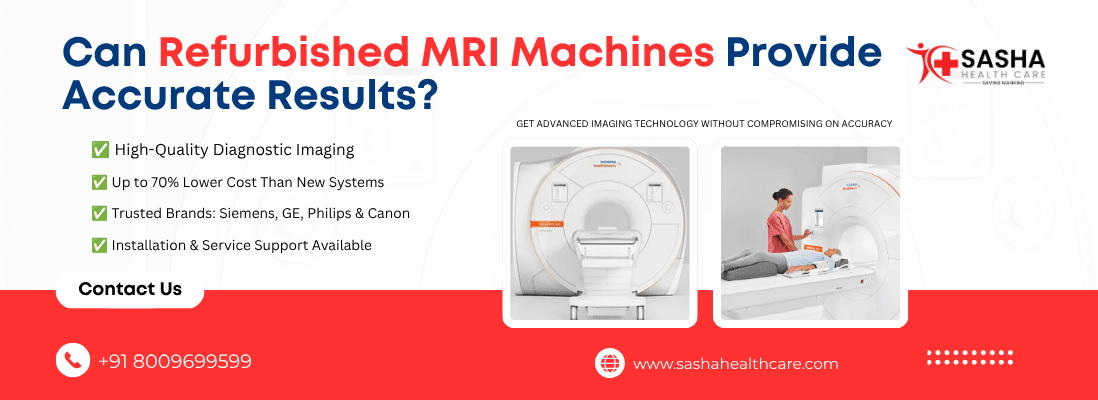
The average price ranges from ₹5 crore to ₹9 crore for a 1.5 Tesla system, depending on brand and configuration.

2. Which MRI scan machine cost suits a mid-size diagnostic center?

A 1.5 Tesla MRI system offers the best balance between cost and diagnostic capability for mid-size centers.

3. Which is the best MRI machine brand for Indian hospitals?

Siemens, GE, and Philips rank among the best MRI machine brand options due to service availability and image quality.

4. Can refurbished MRI machines deliver reliable performance?

Yes, certified refurbished systems perform reliably when sourced from an experienced supplier with service support.

5. How do I find a trusted medical equipment shop near me?

Choose a supplier with proven experience, transparent documentation, and nationwide service coverage.

Conclusion

Evaluating MRI systems requires a clear understanding of pricing, technology, and supplier credibility. Hospitals that analyze MRI scan machine cost carefully and choose a reliable partner gain long-term clinical and financial benefits. Sasha Healthcare continues to support Indian healthcare providers with expert guidance and trusted imaging solutions.

What Is a PET CT Scan, and Why Is It Used?

A PET CT scan is a hybrid medical imaging test that combines Positron Emission Tomography (PET) and Computed Tomography (CT) into a single system.
It provides both metabolic (functional) and anatomical (structural) information in one scan session.

In clinical practice, PET CT is used to detect disease at the cellular level before structural changes appear, making it one of the most advanced tools in modern diagnostic imaging.

What Is a PET CT Scan?

A PET CT scanner integrates two imaging technologies:

  • PET (Positron Emission Tomography):
    Detects abnormal metabolic activity using radioactive tracers.

  • CT (Computed Tomography):
    Produces high-resolution cross-sectional images of organs and tissues.

The combined system overlays metabolic data onto precise anatomical images, allowing clinicians to identify, localize, and stage disease accurately.

How Does a PET CT Scan Work?

Step-by-step process
  • Radiotracer injection
    Common tracer: 18F-FDG (Fluorodeoxyglucose).

  • Uptake period
    Patient rests for 45–60 minutes while the tracer distributes in the body.

  • PET imaging
    Detects gamma photons emitted from positron annihilation events.

  • CT imaging
    Provides anatomical mapping and attenuation correction.

  • Image fusion
    PET metabolic signals are fused with CT images for accurate localization.

Key principle:

Cancer cells consume more glucose than normal cells, resulting in higher FDG uptake.

Why Is PET CT Used in Clinical Medicine?

PET CT is primarily used for early detection, staging, therapy assessment, and recurrence monitoring.

Core medical purpose

  • Detect disease before structural damage occurs

  • Differentiate benign vs malignant lesions

  • Measure treatment response accurately

  • Identify residual or recurrent disease

Major Clinical Applications of PET CT

Oncology (Primary Indication)

PET CT is considered the global standard imaging modality in cancer care.

Common cancers evaluated:

  • Lung cancer

  • Breast cancer

  • Lymphoma

  • Head and neck cancers

  • Colorectal cancer

  • Esophageal cancer

  • Cervical cancer

  • Multiple myeloma

Cardiology

PET CT evaluates:

  • Myocardial viability

  • Coronary artery disease

  • Myocardial perfusion

  • Inflammatory cardiomyopathies

Compared to SPECT, PET offers higher sensitivity and quantitative accuracy.

Neurology

Used in:

  • Epilepsy focus localization

  • Alzheimer’s disease evaluation

  • Parkinsonian syndromes

  • Dementia differentiation

  • Brain tumor grading

PET CT is particularly valuable when MRI findings are inconclusive.

Common PET CT Radiotracers

Tracer

Primary Use

18F-FDG

Oncology, infection, inflammation

68Ga-PSMA

Prostate cancer

18F-FDG

Neuroendocrine tumors

18F-NaF

Bone metastasis

18F-FDG

Prostate & liver tumors

Tracer selection depends on tumor biology and clinical indication.

PET CT Scan Machine Components

A standard PET CT system includes:

  • Full-ring PET detector system

  • Multi-slice CT scanner (16–128 slice)

  • LYSO or BGO crystal detectors

  • Time-of-Flight (TOF) technology

  • Advanced image reconstruction software

  • Radiation shielding infrastructure

Common PET CT Scanner Models Used in India

Widely installed systems include:

  • Siemens Biograph Horizon / Vision

  • GE Discovery IQ / MI DR

  • Philips Vereos PET/CT

  • United Imaging uMI Series

Most Indian diagnostic centers operate 16-slice to 64-slice PET CT configurations.

Patient scan cost (approx.)

  • ₹18,000 – ₹30,000 per scan

  • Varies by tracer, city, and clinical protocol

PET CT machine price (India)

  • New system: ₹12 crore – ₹25 crore

  • Refurbished system: ₹4 crore – ₹9 crore

Pricing depends on:

  • Slice count

  • Detector technology

  • TOF capability

  • Reconstruction software

  • Service contract duration

PET CT Installation Requirements

Space and Infrastructure
  • Total area: 2,500 – 4,000 sq. ft.

  • Dedicated hot lab

  • Injection room

  • Uptake rooms (shielded)

  • Scan room with lead lining

  • Reporting and control room

Power and HVAC
  • Three-phase stabilized power

  • Dedicated UPS

  • Precision air conditioning (22–24°C)

  • Humidity control

Regulatory and Compliance Requirements in India

PET CT installation requires approvals from:

  • AERB (Atomic Energy Regulatory Board)

  • BARC radiation safety guidelines

  • State Pollution Control Board

  • Radiopharmacy licensing authority

Staff must include:

  • Certified Nuclear Medicine Physician

  • Trained Radiopharmacist

  • AERB-licensed technologists

Safety and Radiation Considerations

  • PET CT radiation exposure is within regulated international limits

  • Tracers decay rapidly (FDG half-life ≈ 110 minutes)

  • Lead shielding and controlled zones are mandatory

  • Pregnant patients require special clearance

CT shows structure. PET CT shows disease activity.

PET CT vs CT Scan: Key Differences

ParameterPET CTCT Scan
Detects metabolismYesNo
Anatomical imagingYesYes
Cancer stagingExcellentLimited
Early disease detectionVery highModerate
Functional imagingYesNo

Frequently Asked Questions (FAQs)

What is a PET CT scan in simple words?

A PET CT scan is an imaging test that shows both the structure of organs and how actively cells are functioning.

Why is PET CT mainly used for cancer?

Yes. PET CT provides functional and anatomical data, while CT shows structure only.

Can PET CT detect early cancer?

Yes. PET CT can detect cancer at a cellular stage before structural changes occur.

How long does a PET CT scan take?

The complete procedure usually takes 2 to 3 hours, including tracer uptake time.

Is PET CT better than CT scan?

Yes. PET CT provides functional and anatomical data, while CT shows structure only.

Summary

A PET CT scan is a high-precision diagnostic imaging system that combines metabolic and anatomical data in a single examination.
It plays a critical role in oncology, cardiology, and neurology, especially for early detection and treatment monitoring.

For hospitals and diagnostic centers, PET CT represents a strategic long-term imaging investment, requiring regulatory compliance, trained personnel, and advanced infrastructure—but offering unmatched diagnostic accuracy in return.

0