Digital X-Ray Machine Price in India (2026): Complete Buying Guide, Cost, Types & Brands
Digital X-ray technology has transformed medical imaging by delivering faster results, superior image quality, and lower radiation exposure compared to conventional film-based X-ray systems. As hospitals, diagnostic centres, orthopedic clinics, dental clinics, and healthcare institutions continue to modernize their imaging departments, the demand for digital radiography (DR) systems is growing rapidly across India.
If you’re planning to invest in a Digital X-Ray Machine in 2026, understanding the digital X-ray machine price, available configurations, leading brands, and factors affecting the cost is essential before making a purchase.
In this comprehensive guide, we’ll explore the latest Digital X-Ray Machine Price in India (2026), compare different types of DR systems, explain what influences pricing, and help you choose the right solution for your healthcare facility. Whether you’re purchasing a new or refurbished system, this guide will help you make an informed investment.
Digital X-Ray Machine Price in India (2026)
The price of a digital X-ray machine depends on several factors, including detector technology, generator power, system configuration, brand, software capabilities, and installation requirements.
Below is an approximate price range for different types of digital X-ray systems available in India.
| Digital X-Ray System | Approximate Price Range |
|---|---|
| Portable Digital X-Ray Machine | ₹8 Lakhs – ₹22 Lakhs |
| Mobile Digital Radiography (DR) | ₹15 Lakhs – ₹35 Lakhs |
| Fixed Digital X-Ray Machine | ₹18 Lakhs – ₹45 Lakhs |
| Floor Mounted DR System | ₹22 Lakhs – ₹50 Lakhs |
| Ceiling Suspended DR System | ₹35 Lakhs – ₹70 Lakhs+ |
| Dental Digital X-Ray System | ₹2 Lakhs – ₹15 Lakhs |
| Veterinary Digital X-Ray Machine | ₹8 Lakhs – ₹30 Lakhs |
| Refurbished Digital X-Ray Machine | ₹8 Lakhs – ₹30 Lakhs |
Note: Prices are indicative and may vary depending on brand, detector type, software package, warranty, installation, and accessories.
Why Are Digital X-Ray Machines in High Demand?
Healthcare providers are increasingly replacing conventional X-ray systems with digital radiography because of the significant operational and clinical advantages.
Some of the key benefits include:
- Instant image acquisition
- Higher diagnostic accuracy
- Reduced radiation exposure
- Faster patient workflow
- Improved image storage through PACS
- Lower operating costs
- Environment-friendly (no film processing chemicals)
- Easy image sharing for tele-radiology
These advantages improve patient care while increasing the efficiency and profitability of diagnostic centres.
Factors Affecting Digital X-Ray Machine Price
One of the most common questions buyers ask is why digital X-ray machine prices vary so much. The answer lies in the specifications and features of each system.
1. Detector Technology
The flat panel detector (FPD) is one of the most expensive components of a DR system.
Wireless detectors generally cost more than wired detectors because they offer greater flexibility and improved workflow.
High-resolution detectors designed for advanced diagnostic imaging also increase the overall machine price.
2. Generator Power
Generator capacity significantly influences pricing.
Typical generator options include:
- 32 kW
- 50 kW
- 65 kW
- 80 kW
- 100 kW
Higher-powered generators support larger patient volumes and advanced imaging applications but come at a higher cost.
3. Machine Configuration
Different healthcare facilities require different configurations.
Examples include:
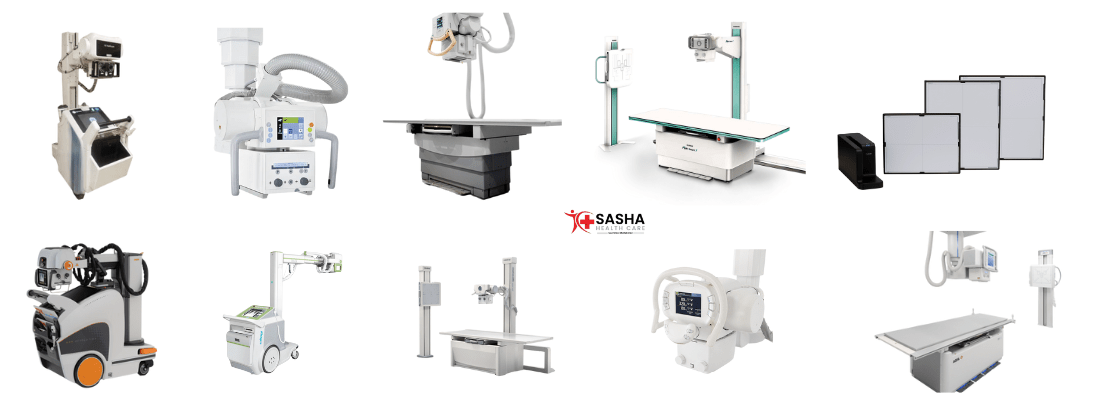
- Floor-mounted systems
- Ceiling-suspended systems
- Portable DR units
- Mobile DR systems
- Wall-mounted systems
More advanced configurations generally require additional engineering and installation, increasing the investment.
4. Brand Reputation
Globally recognized manufacturers often command premium pricing due to their reputation for image quality, reliability, innovation, and service support.
Brands such as Siemens Healthineers, GE Healthcare, Canon Medical, Philips, Fujifilm, Agfa, and Carestream are known for their advanced imaging technologies.
5. Software Features
Modern DR systems now include advanced software features such as:
- AI-assisted positioning
- Automatic image enhancement
- Noise reduction
- Dose optimization
- Cloud connectivity
- PACS integration
- DICOM compatibility
These features improve workflow and diagnostic confidence but also contribute to the overall cost.
6. Installation Requirements
Installation costs depend on several factors:
- Room preparation
- Electrical modifications
- Radiation shielding
- Civil work
- Detector calibration
- Commissioning
- Staff training
Facilities with existing X-ray infrastructure may require fewer modifications than new installations.
7. Warranty and Service Support
Machines backed by comprehensive warranties, preventive maintenance, and nationwide service support often have higher upfront costs but lower long-term ownership expenses.
Types of Digital X-Ray Machines
Choosing the right system depends on your patient volume, clinical requirements, available space, and budget.
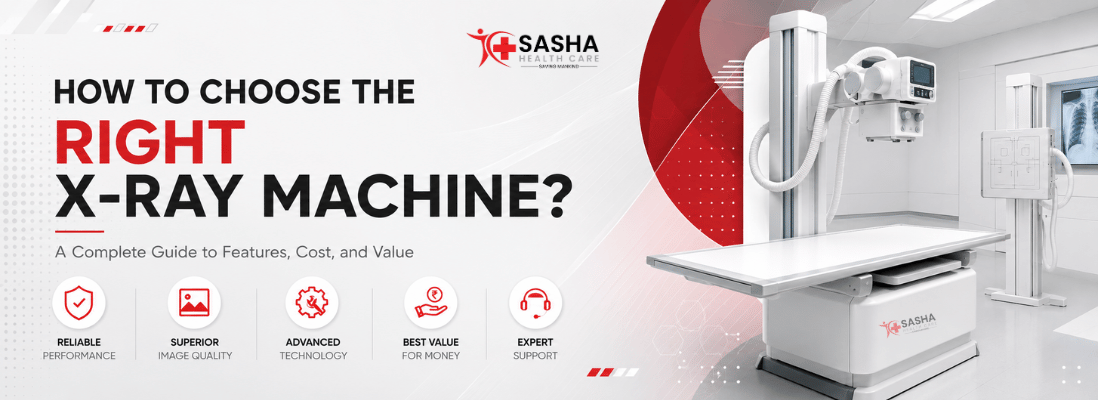
Fixed Digital X-Ray Machine
Fixed DR systems are commonly installed in hospitals and diagnostic imaging centres.
Advantages include:
- Excellent image quality
- High patient throughput
- Long operational life
- Reliable workflow
- Suitable for general radiography
These systems are ideal for facilities performing a high volume of examinations each day.
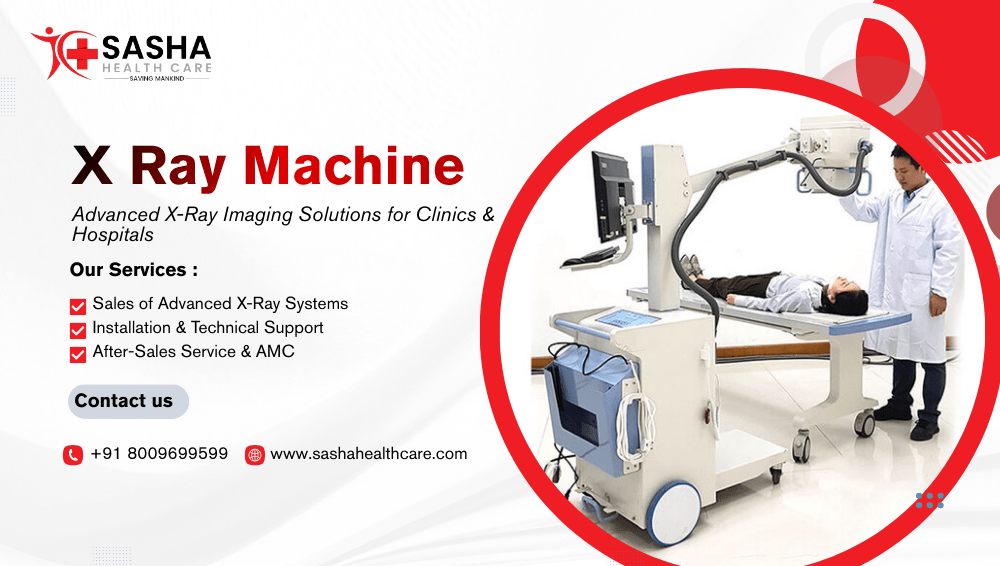
Portable Digital X-Ray Machine
Portable digital X-ray machines are designed for mobility and bedside imaging.
Common applications include:
- ICU
- Emergency departments
- Home healthcare
- Rural healthcare
- Mobile diagnostic services
They are lightweight, easy to transport, and provide flexibility in patient care.
Mobile DR System
Mobile DR systems combine portability with advanced imaging capabilities.
They are frequently used in:
- Intensive Care Units
- Operation Theatres
- Trauma Centres
- COVID isolation wards
- Emergency departments
These systems reduce the need to transport critically ill patients to the radiology department.
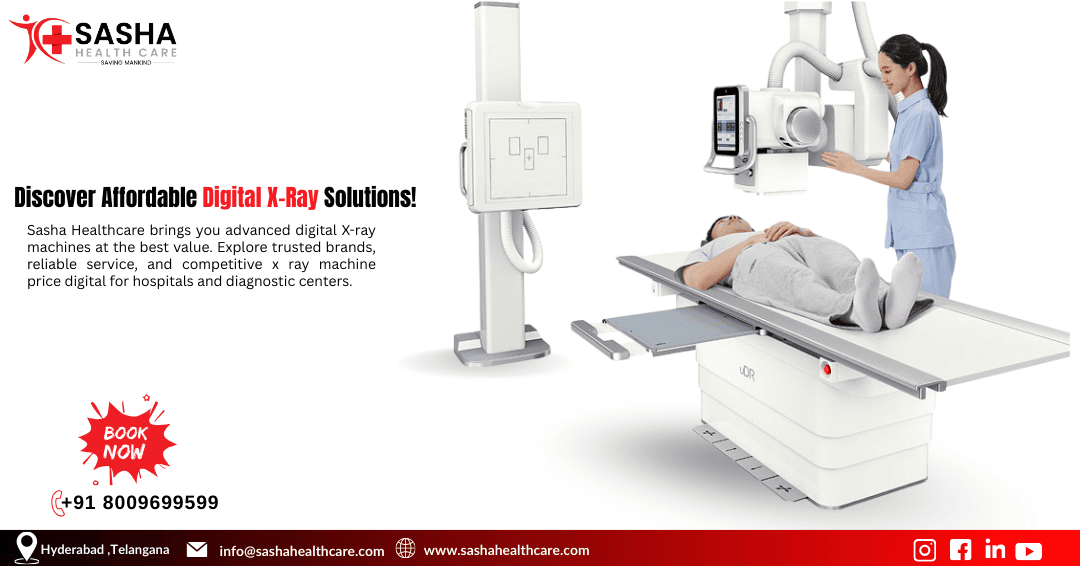
Ceiling Suspended Digital X-Ray
Ceiling-mounted systems offer greater positioning flexibility and are suitable for busy hospitals with high patient volumes.
Benefits include:
- Smooth tube movement
- Enhanced patient positioning
- Faster workflow
- Improved ergonomics
- High-quality imaging
Although they are among the most expensive options, they deliver excellent productivity.
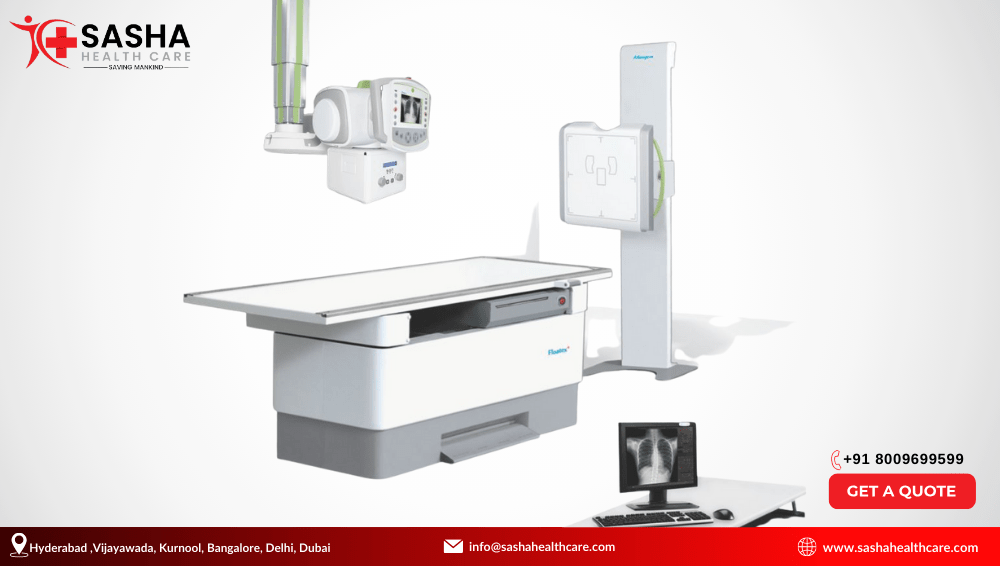
Floor Mounted DR System
Floor-mounted systems are a popular choice for medium-sized hospitals and diagnostic centres.
Advantages include:
- Lower installation cost
- Reliable performance
- Easy maintenance
- Space-efficient design
- Cost-effective solution
Dental Digital X-Ray
Dental practices use specialized digital X-ray equipment for oral imaging.
Applications include:
- Intraoral imaging
- Panoramic imaging
- Cephalometric studies
- Implant planning
- Orthodontics
Veterinary Digital X-Ray
Veterinary hospitals increasingly use digital radiography for imaging companion animals, livestock, and exotic species.
Benefits include:
- Faster diagnosis
- Better image quality
- Reduced examination time
- Enhanced patient safety
Brand-wise Digital X-Ray Machine Price
Several international and Indian manufacturers offer digital radiography systems catering to different budgets and clinical needs.
GE Healthcare
GE Healthcare is recognized for advanced imaging solutions with robust software, excellent image quality, and reliable service support.
Their DR systems are suitable for large hospitals and multi-specialty diagnostic centres.
Siemens Healthineers
Siemens offers premium digital radiography systems featuring advanced automation, AI-assisted workflows, and exceptional diagnostic performance.
These systems are preferred by institutions seeking cutting-edge imaging technology.
Canon Medical
Canon’s digital X-ray systems are known for high-resolution imaging, intuitive user interfaces, and dependable detector technology.
They are widely used in hospitals and imaging centres across India.
Philips Healthcare
Philips provides versatile DR systems designed for efficiency, patient comfort, and seamless integration with hospital information systems.
Fujifilm
Fujifilm has a strong reputation in digital imaging and offers reliable DR solutions with advanced image processing and workflow optimization.
Agfa
Agfa specializes in digital radiography solutions with durable detectors and user-friendly software, making them suitable for a variety of healthcare settings.
Carestream
Carestream offers scalable digital radiography systems with advanced imaging capabilities and flexible configurations for hospitals and clinics.
Allengers
Allengers is an Indian manufacturer offering cost-effective digital X-ray systems tailored to the needs of domestic healthcare providers.
Trivitron
Trivitron provides affordable imaging solutions with localized service support and customizable configurations for clinics and hospitals.
Refurbished Digital X-Ray Machine Price
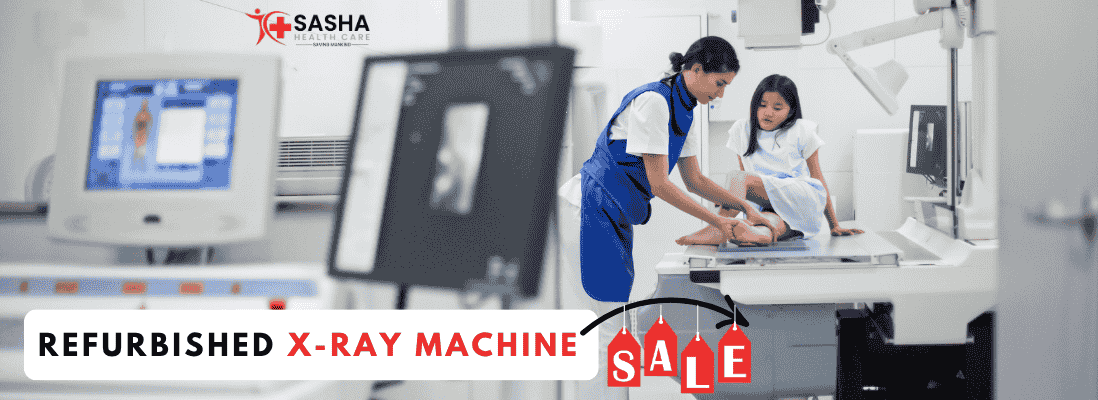
Refurbished digital X-ray machines have become an attractive option for healthcare providers looking to reduce capital expenditure without compromising on diagnostic performance.
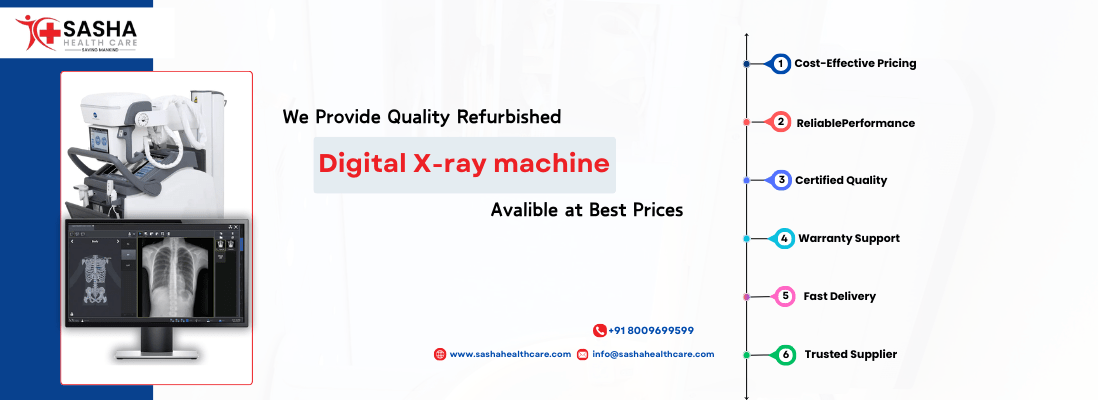
Professionally refurbished systems undergo comprehensive inspection, component replacement where necessary, calibration, and quality testing before installation.
Advantages of Refurbished Digital X-Ray Machines
- Significant cost savings compared to new systems
- Faster return on investment
- Reliable performance when sourced from trusted suppliers
- Comprehensive warranty options
- Installation and application training
- Access to premium international brands at a lower investment
For many diagnostic centres and hospitals, refurbished equipment offers an excellent balance between affordability and performance.
At Sasha HealthCare, refurbished digital X-ray systems are carefully inspected, tested, installed, and supported by experienced biomedical engineers, ensuring dependable performance and long-term value.
New vs Refurbished Digital X-Ray Machine
| Feature | New System | Refurbished System |
|---|---|---|
| Initial Investment | Higher | Lower |
| Latest Technology | Yes | Depends on Model |
| Warranty | Manufacturer Warranty | Supplier Warranty |
| Cost Efficiency | Moderate | Excellent |
| ROI | Longer | Faster |
| Availability | May Require Lead Time | Often Readily Available |
| Best For | Large Hospitals | Clinics, Diagnostic Centres, Budget-Conscious Buyers |
How to Choose the Right Digital X-Ray Machine
Selecting the right digital radiography system requires evaluating both your current needs and future growth plans.
Consider the following factors:
- Expected daily patient volume
- Clinical specialties served
- Available installation space
- Budget and financing options
- Image quality requirements
- Service and maintenance support
- Compatibility with existing PACS or HIS systems
- Future expansion plans
Consulting an experienced medical equipment supplier can help you identify a system that aligns with your clinical requirements and budget.
Why Buy from Sasha HealthCare?
Sasha HealthCare is a trusted supplier of refurbished medical imaging equipment in India, offering comprehensive solutions tailored to the needs of hospitals, diagnostic centres, and healthcare institutions.
Key advantages include:
- Wide selection of refurbished digital X-ray systems
- Trusted global brands
- Thorough quality inspection and testing
- Professional installation and commissioning
- AMC and CMC support
- Genuine spare parts
- Experienced biomedical engineering team
- Nationwide service support
- Competitive pricing
- Customized solutions based on clinical requirements
Whether you are establishing a new diagnostic centre or upgrading an existing radiology department, Sasha HealthCare can help you choose the right digital X-ray system for your needs.
Conclusion
Investing in a digital X-ray machine is a strategic decision that can enhance diagnostic accuracy, improve workflow efficiency, and support better patient outcomes. The digital X-ray machine price in India varies based on factors such as system type, brand, detector technology, software features, and installation requirements. By understanding these variables and evaluating your facility’s specific needs, you can make a well-informed investment.
For healthcare providers seeking a cost-effective solution, professionally refurbished digital X-ray systems offer excellent value without compromising on quality. Partnering with an experienced supplier like Sasha HealthCare ensures access to reliable equipment, expert installation, comprehensive service support, and ongoing maintenance.
Looking for the best Digital X-Ray Machine Price in India? Contact Sasha HealthCare today for expert guidance and a customized quotation tailored to your hospital or diagnostic centre.
The price of a Digital X-Ray machine in India typically ranges from ₹8 Lakhs to ₹70 Lakhs or more, depending on the type of system, brand, detector technology, generator power, software features, and installation requirements. Refurbished Digital X-Ray machines are generally more affordable than new systems.
A Digital Radiography (DR) X-Ray machine generally costs between ₹15 Lakhs and ₹70 Lakhs. Entry-level systems are suitable for small clinics, while premium ceiling-mounted DR systems designed for high-volume hospitals are priced higher.
A Digital X-Ray machine captures images electronically using digital detectors, eliminating the need for films and chemical processing. Conventional X-Ray systems rely on film processing, which takes more time and requires additional maintenance.
Yes. A professionally refurbished Digital X-Ray machine offers significant cost savings while delivering reliable imaging performance. When purchased from a trusted supplier like Sasha HealthCare, refurbished systems undergo comprehensive quality checks, calibration, installation, and testing before delivery.
A fixed Digital Radiography (DR) system or a floor-mounted DR system is often the best choice for diagnostic centres due to its high image quality, efficient workflow, and ability to handle a large number of patients daily.