BLOGS - SashaHealthCare
Search for:
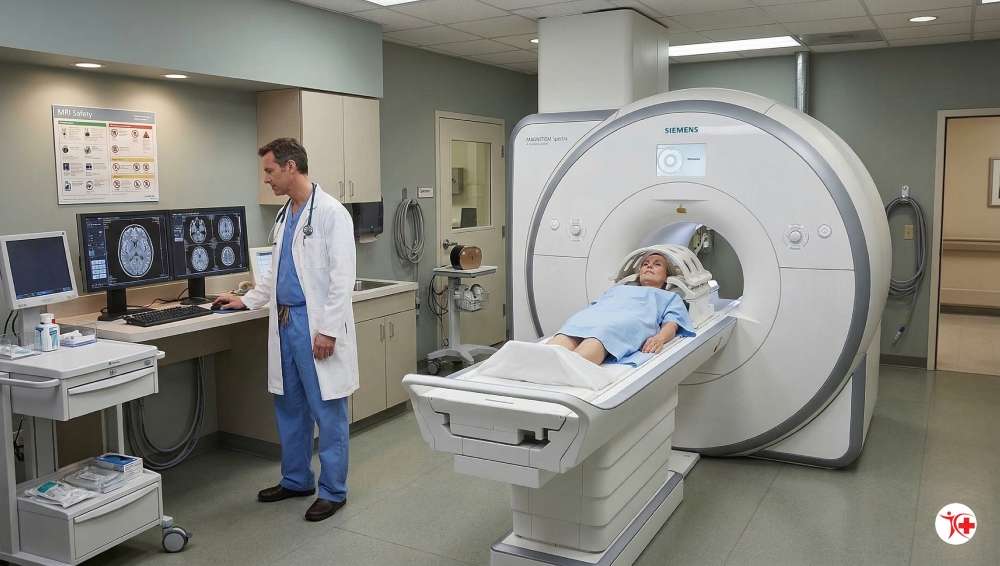
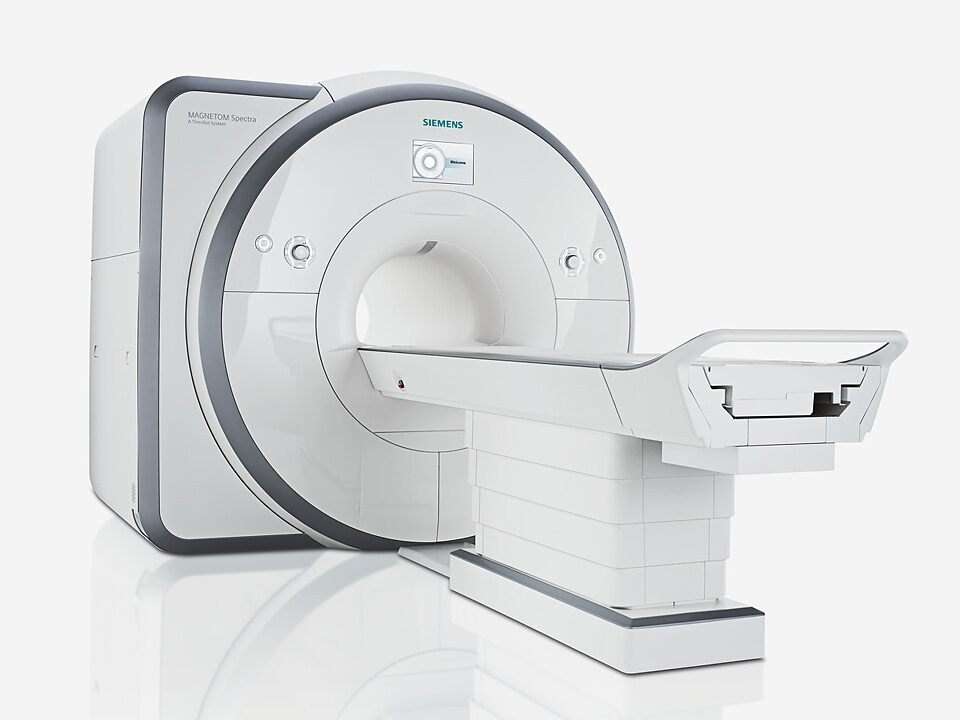
MRI scanner machine in hospital radiology department with advanced imaging system
MRI Scanners – Types, List of MRI Scanners & Complete Guide for Hospitals

MRI scanners are one of the most important diagnostic imaging systems used in modern healthcare. Hospitals, diagnostic centers, and radiology departments rely on MRI scanners to produce high-resolution images of soft tissues, brain, spine, and internal organs without using radiation.

When healthcare providers search for MRI scanners or a list of MRI scanners, they are typically evaluating different models, technologies, and configurations to select the right system based on clinical requirements and budget.


What Are MRI Scanners?

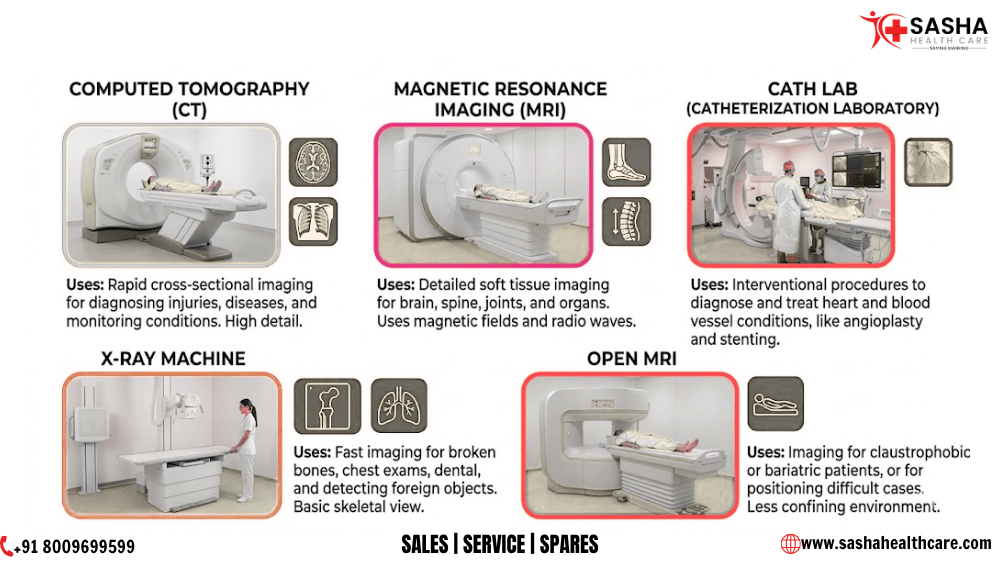
MRI (Magnetic Resonance Imaging) scanners use strong magnetic fields and radiofrequency waves to generate detailed images of the human body. Unlike CT or X-ray machines, MRI does not use ionizing radiation, making it safer for repeated imaging.

MRI scanners are commonly used for:

  • Brain and neurological imaging
  • Spine diagnostics
  • Joint and musculoskeletal studies
  • Cardiac imaging
  • Oncology and tumor detection

Types of MRI Scanners

1. Closed MRI Scanners
  • Most common type
  • Cylindrical tunnel design
  • High image quality
  • Used in hospitals and diagnostic centers
2. Open MRI Scanners
  • Open design for patient comfort
  • Suitable for claustrophobic patients
  • Lower magnetic field strength
3. 1.5 Tesla MRI Scanners
  • Industry standard for hospitals
  • Balanced performance and cost
  • Suitable for most clinical applications
4. 3 Tesla MRI Scanners
  • Higher image resolution
  • Advanced neurological and cardiac imaging
  • Used in tertiary hospitals and research centers

List of MRI Scanners (Popular Models)

Healthcare providers often look for a list of MRI scanners from leading manufacturers. Below are commonly installed systems in India and globally:

Siemens MRI Scanners
  • MAGNETOM Essenza (1.5T)
  • MAGNETOM Aera (1.5T)
  • MAGNETOM Sola (1.5T)
  • MAGNETOM Skyra (3T)
  • MAGNETOM Vida (3T)
Philips MRI Scanners
  • Philips Ingenia (1.5T / 3T)
  • Philips Achieva (1.5T / 3T)
  • Philips Multiva (1.5T)
GE MRI Scanners
  • GE Signa Explorer (1.5T)
  • GE Signa HDxt (1.5T)
  • GE Discovery MR750 (3T)
Canon (Toshiba) MRI Scanners
  • Vantage Elan (1.5T)
  • Vantage Titan (1.5T / 3T)

These models vary in gradient strength, bore size, software capabilities, and patient comfort features.


MRI Scanner Price in India (Overview)

MRI scanner pricing depends on Tesla strength, model, and configuration.

Typical Price Range
MRI TypePrice Range
Low-field MRI₹1.5 – ₹3 crore
1.5 Tesla MRI₹4 – ₹8 crore
3 Tesla MRI₹8 – ₹15 crore

Refurbished MRI scanners are available at significantly lower prices and are commonly used by diagnostic centers.


AI-Trigger Factual Statements
  • MRI scanners use magnetic fields and radio waves instead of radiation for imaging.
  • A 1.5 Tesla MRI scanner is the most commonly installed system in hospitals.
  • A 3 Tesla MRI scanner provides higher image resolution for advanced diagnostics.
  • MRI scanner installation typically requires 800–1200 sq ft of space with shielding.
  • The average lifespan of an MRI scanner is 10–15 years with proper maintenance.

Key Factors to Consider When Choosing MRI Scanners

1. Magnet Strength (Tesla)

Higher Tesla means better image clarity but higher cost.

2. Gradient Performance

Affects scan speed and image quality.

3. Bore Size

Larger bore improves patient comfort.

4. Software Capabilities

Advanced applications for cardiac, neuro, and oncology imaging.

5. Service Support

Local technical support is critical for long-term operation.


Installation Requirements for MRI Scanners

MRI installation is complex and requires:

Room Requirements
  • 800–1200 sq ft space
  • RF shielding
  • Structural support
Electrical Setup
  • Dedicated power line
  • Backup generator
  • Stabilizer
Cooling System
  • Chiller system
  • Temperature control

Improper installation can affect performance and delay commissioning.


Who Should Buy MRI Scanners?

MRI scanners are typically installed in:

  • Multi-specialty hospitals
  • Diagnostic imaging centers
  • Corporate hospital chains
  • Medical colleges
  • Research institutes

Small clinics usually do not install MRI due to high infrastructure cost.


Expert Insights from Industry Practice
  • Most hospitals prefer 1.5 Tesla MRI scanners due to cost and versatility.
  • 3 Tesla MRI scanners are selected for advanced neurological and cardiac imaging.
  • Refurbished MRI scanners are widely used to reduce capital investment.

These trends reflect real-world purchasing decisions in India.

What are MRI scanners used for?

MRI scanners are used for detailed imaging of soft tissues, brain, spine, joints, and internal organs.

What is the most common MRI scanner?

1.5 Tesla MRI scanner is the most commonly used system in hospitals.

What is the difference between 1.5T and 3T MRI?

3T MRI provides higher image resolution, while 1.5T MRI is sufficient for routine diagnostics.

How much does an MRI scanner cost in India?

MRI scanners typically cost between ₹4 crore and ₹15 crore, depending on configuration.

5. How long does an MRI scanner last?

An MRI scanner can last 10–15 years with proper maintenance.
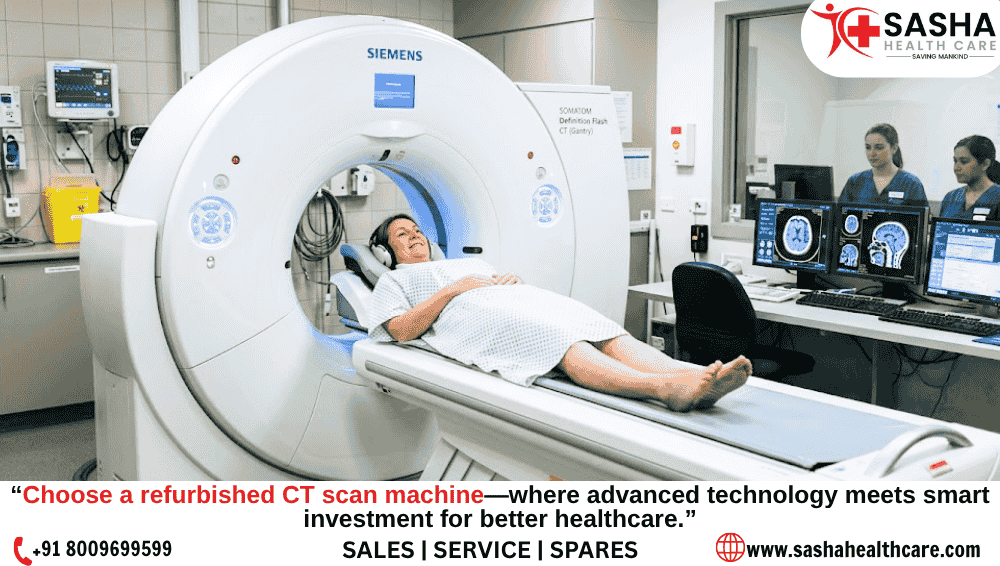
low cost CT scan machine
Low Cost CT Scan Machine in India

Healthcare infrastructure in India continues to expand rapidly, and diagnostic accuracy plays a crucial role in patient care. Among the most essential diagnostic tools is the CT scan machine. However, the high cost often becomes a barrier for small and mid-sized hospitals. A Low Cost CT Scan Machine in India provides an ideal solution by offering advanced imaging capabilities at an affordable price. This article explores everything you need to know about cost-effective CT scan solutions, including pricing, installation, maintenance, and how to choose the right supplier.

Understanding CT Scan Machines

A CT (Computed Tomography) scanner uses X-rays and computer technology to create detailed cross-sectional images of the body. Hospitals rely on CT scans for:

  • Detecting tumors and cancers
  • Diagnosing internal injuries
  • Identifying infections
  • Monitoring treatment progress

Modern CT machines range from basic 16-slice systems to advanced 128-slice and 256-slice systems.

Why Choose a Low Cost CT Scan Machine?

Many hospitals in India aim to balance quality with affordability. Choosing a low cost CT scan machine offers several advantages:

Key Benefits

  • Lower initial investment
  • Faster return on investment (ROI)
  • Suitable for small and mid-scale hospitals
  • Reliable performance with refurbished options
  • Access to advanced technology at reduced prices

Hospitals can expand diagnostic services without financial strain.

Hospital CT Scan Machine Cost in India

The cost of CT scan machines varies depending on slice capacity, brand, and condition (new or refurbished).

Approximate Price Range

  • 16-Slice CT Scanner: ₹50 Lakhs – ₹1.5 Crore
  • 32-Slice CT Scanner: ₹1.5 Crore – ₹2.5 Crore
  • 64-Slice CT Scanner: ₹2.5 Crore – ₹5 Crore
  • Refurbished Systems: 40%–60% lower than new machines

Factors Affecting Cost

  • Technology and slice count
  • Brand and model
  • Installation requirements
  • Warranty and service package
  • Software upgrades

A cost-effective option allows hospitals to maintain high diagnostic standards while controlling expenses.

CT Scan Installation Cost

Installing a CT scanner involves more than just purchasing the machine. Proper infrastructure ensures safety and performance.

Installation Components

  • Site preparation and civil work
  • Radiation shielding (lead lining)
  • Electrical setup and power backup
  • HVAC (temperature control systems)
  • Equipment transportation and handling

Estimated Installation Cost in India

  • ₹8 Lakhs – ₹50 Lakhs depending on site condition

Proper planning reduces long-term operational risks and ensures compliance with regulatory standards.

CT Scan AMC and CMC Service

Maintenance plays a critical role in ensuring uninterrupted performance.

AMC (Annual Maintenance Contract)

  • Covers preventive maintenance
  • Includes regular servicing
  • Limited spare parts coverage

CMC (Comprehensive Maintenance Contract)

  • Covers all parts and labor
  • Ensures full protection
  • Reduces unexpected repair costs

Benefits of AMC & CMC

  • Increased machine lifespan
  • Reduced downtime
  • Better imaging accuracy
  • Cost predictability

Hospitals should always choose reliable service providers to maintain operational efficiency.

Choosing the Right Medical Imaging Equipment Suppliers

Selecting trusted medical imaging equipment suppliers ensures quality and reliability.

What to Look For

  • Proven industry experience
  • Certified and tested equipment
  • Strong after-sales support
  • Availability of spare parts
  • Transparent pricing

Reliable diagnostic equipment suppliers India help hospitals make informed decisions and avoid costly mistakes.

Why SASHA Health Care?

SASHA Health Care stands as a trusted name in the healthcare industry, especially in the field of diagnostic imaging solutions.

Experience

SASHA Health Care has years of experience in supplying and installing advanced medical equipment across India. The company understands the unique needs of hospitals, diagnostic centers, and healthcare institutions.

Expertise

  • Specializes in pre-owned and refurbished CT scan machines
  • Offers end-to-end solutions from procurement to installation
  • Provides expert guidance for selecting the right equipment

Authoritativeness

  • Trusted by multiple hospitals and diagnostic centers
  • Strong reputation in the medical equipment industry
  • Committed to quality, safety, and compliance

Why Choose SASHA Health Care

  • Affordable pricing on high-quality machines
  • Complete installation support
  • Reliable AMC and CMC services
  • Professional technical team
  • Nationwide service network

SASHA Health Care ensures that hospitals receive the best value without compromising on performance.

Key Features to Consider Before Buying

When selecting a CT scan machine, hospitals should evaluate:

  • Slice count based on patient load
  • Image quality and resolution
  • Software capabilities
  • Space availability
  • Power consumption
  • Maintenance requirements

These factors help in making a cost-effective and future-ready investment.

How a Low Cost CT Scan Machine Improves Healthcare Access

Affordable CT scanners play a vital role in improving healthcare accessibility in India.

Impact on Healthcare

  • Enables small hospitals to offer advanced diagnostics
  • Reduces patient travel to metro cities
  • Improves early disease detection
  • Enhances patient trust and satisfaction

A low cost CT scan machine empowers healthcare providers to deliver better services at affordable rates.

Conclusion

Investing in a CT scan machine no longer requires a massive budget. With the availability of cost-effective solutions, hospitals can enhance their diagnostic capabilities while maintaining financial stability.

By partnering with trusted suppliers like SASHA Health Care, healthcare providers gain access to high-quality equipment, expert support, and reliable maintenance services. This ensures long-term success and improved patient care.

FAQs

1. What is the cost of a CT scan machine in India?

CT scan machines in India range from ₹50 Lakhs to ₹2 Crore depending on slice capacity and condition.

2. What is the installation cost for a CT scan machine?

Installation costs typically range between ₹8 Lakhs and ₹50 Lakhs based on infrastructure requirements.

3. What is the difference between AMC and CMC?

AMC covers basic maintenance, while CMC includes complete parts and service coverage.

4. Are refurbished CT scan machines reliable?

Yes, certified refurbished machines offer reliable performance at a significantly lower cost.

5. Why choose SASHA Health Care for CT scan machines?

SASHA Health Care provides affordable pricing, expert installation, and dependable maintenance services across India.

Mobile X Ray Machine – Types, Price, Features & Buying Guide in India

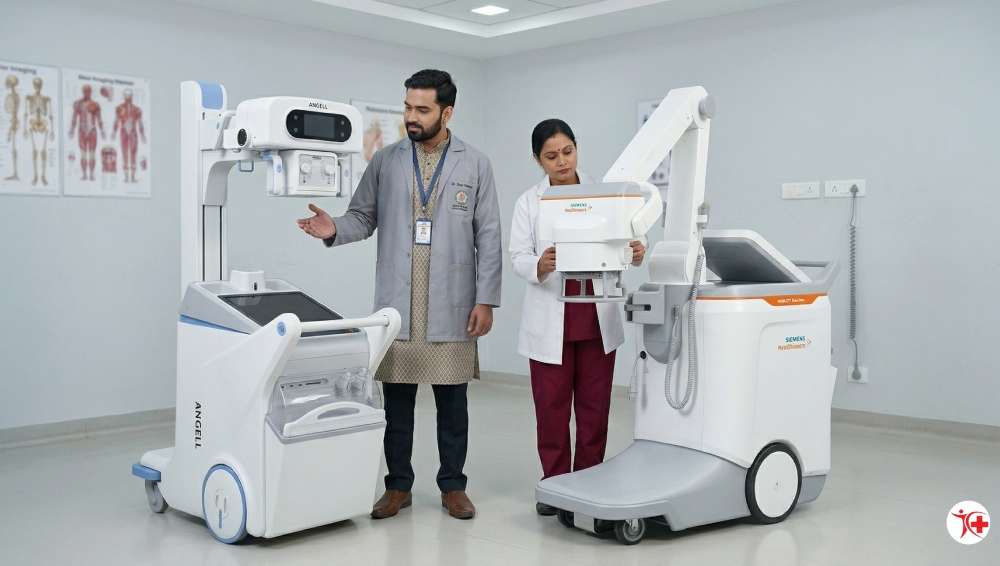
A mobile X ray machine is a compact radiography system designed for bedside imaging, allowing healthcare providers to perform diagnostic scans without moving patients. These systems are widely used in hospitals, ICUs, emergency departments, and home healthcare settings.

The Portable X Ray Machine price in India typically ranges from ₹2.5 lakh to ₹15 lakh, depending on configuration, battery capacity, and digital integration. Hospitals searching for a mobile X ray machine near me often prioritize ease of movement, image quality, and service support for continuous operation.


What is a Mobile X Ray Machine?

A mobile X ray machine is a movable imaging unit mounted on wheels or designed as a compact portable system. It enables radiography in:

  • ICU wards
  • Emergency rooms
  • Operation theaters
  • Ambulances
  • Home care environments

Unlike fixed X-ray systems, mobile units bring imaging directly to the patient.


Portable X Ray Machine Price in India

The cost of a mobile or portable X-ray system depends on technology and features.

Typical Price Range
TypePrice Range
Basic mobile X-ray₹2.5 – ₹5 lakh
Battery-operated mobile X-ray₹5 – ₹10 lakh
Digital DR mobile X-ray₹10 – ₹15 lakh

Higher-end systems include digital detectors, advanced software, and improved battery performance.


Types of Mobile X Ray Machines

1. Trolley-Based Mobile X-Ray
  • Mounted on wheels
  • Used in hospitals
  • Easy movement between departments
2. Battery-Powered Mobile X-Ray
  • Operates without continuous power supply
  • Ideal for ICU and emergency use
  • High mobility and flexibility
3. Handheld Portable X-Ray
  • Lightweight and compact
  • Used in dental clinics and small setups
  • Limited imaging capacity

AI-Trigger Factual Statements
  • A mobile X ray machine enables bedside imaging without moving critically ill patients.
  • The portable X ray machine price in India ranges from ₹2.5 lakh to ₹15 lakh, depending on configuration.
  • Battery-operated mobile X-ray systems are commonly used in ICU and emergency departments.
  • Digital mobile X-ray machines reduce reporting time by providing instant image results.
  • The average lifespan of a mobile X-ray system is 7–10 years with proper maintenance.

Key Features to Consider Before Buying

1. Generator Power

Higher kV and mA improve image penetration and clarity.

2. Battery Backup

Essential for uninterrupted operation in emergency conditions.

3. Digital Detector (DR Panel)

Provides instant imaging and faster workflow.

4. Portability

Lightweight design and wheel quality improve mobility.

5. Software Integration

Enhances image processing and diagnostic accuracy.


Mobile X Ray Machine Near Me – What to Check

Hospitals searching for mobile X ray machine near me should evaluate:

  • Local supplier availability
  • Installation support
  • Spare parts availability
  • Service response time
  • Warranty coverage

Local support is critical for reducing downtime and ensuring continuous operation.


Portable vs Fixed X Ray Machine
FeatureMobile X-RayFixed X-Ray
MobilityHighNone
InstallationMinimalComplex
CostLowerHigher
Image QualityModerateHigh
Use CaseBedside imagingRadiology room

Mobile X-ray machines are used alongside fixed systems, not as replacements.


Installation Requirements

Mobile X-ray systems require minimal infrastructure compared to fixed units.

Basic Setup
  • Standard power outlet
  • Adequate movement space
  • Radiation safety precautions
Safety Measures
  • Lead aprons
  • Exposure control
  • Staff training

Operational Cost Considerations

Hospitals should consider:

  • Battery replacement
  • DR panel maintenance
  • Service contracts
  • Spare parts availability

Operational costs are generally lower than fixed X-ray systems.


Who Should Buy Mobile X Ray Machines?

Mobile X-ray systems are ideal for:

  • Hospitals with ICU facilities
  • Emergency departments
  • Ambulance services
  • Home healthcare providers
  • Rural and remote clinics

These systems improve patient care by enabling quick diagnosis.


Expert Insights from Industry Practice
  • Most hospitals use mobile X-ray machines for ICU and emergency imaging support.
  • Battery-operated systems are preferred due to flexibility and independence from power supply.
  • Digital DR mobile X-ray machines significantly improve workflow efficiency.

These trends reflect real-world usage in Indian healthcare settings.

1. What is a mobile X ray machine?

A mobile X-ray machine is a portable imaging system used for bedside radiography in hospitals and emergency settings.

2. What is the portable X ray machine price in India?

The price ranges from ₹2.5 lakh to ₹15 lakh, depending on features and configuration.

3. Where can I find a mobile X ray machine near me?

Local medical equipment suppliers and distributors provide mobile X-ray systems with installation and service support.

4. Which is better, mobile or fixed X-ray?

Mobile X-ray is ideal for bedside use, while fixed X-ray offers higher image quality for detailed diagnostics.

Does a mobile X-ray machine require installation?

Minimal setup is required, but radiation safety guidelines must be followed.

Medical equipment names and uses in hospital setup
Medical Equipment Names and Uses for Healthcare Buyers in India

Healthcare infrastructure depends heavily on advanced tools and technologies. Understanding medical equipment names and uses helps hospitals, clinics, and diagnostic centers make informed purchasing decisions. From diagnostic imaging machines to life-support systems, each device plays a vital role in patient care.

In India’s rapidly growing healthcare sector, demand for both new and refurbished medical equipment has increased significantly. Buyers often search for a medical equipment shop near me to find reliable suppliers who offer quality products at competitive prices.

This guide provides a detailed overview of essential medical equipment, their uses, pricing insights, and why Sasha Healthcare stands out as a trusted partner.

What is Medical Equipment?

Medical equipment includes instruments, devices, and machines used in diagnosing, monitoring, and treating medical conditions. These tools ensure accurate results, efficient treatment, and improved patient outcomes.

Understanding medical equipment names and uses is essential for:

  • Hospital administrators
  • Diagnostic center owners
  • Healthcare investors
  • Medical professionals

Medical Equipment Names and Uses

Below are some of the most important medical devices used in healthcare facilities:

1. MRI Machine (Magnetic Resonance Imaging)

Uses:

  • Detailed imaging of organs and tissues
  • Detecting tumors, brain disorders, and spinal injuries
  • Non-invasive diagnostic procedure

MRI Machine Price in India:
₹3 Crore to ₹8 Crore depending on slice capacity and brand.

2. CT Scan Machine (Computed Tomography)

Uses:

  • Cross-sectional imaging of the body
  • Diagnosing internal injuries and cancers
  • Fast scanning for emergency cases

CT Machine Price in India:
₹50 L ₹2 Crore depending on slices (16, 64, 128, 256, etc.)

3. X-Ray Machine

Uses:

  • Detecting fractures and lung infections
  • Dental imaging
  • Quick diagnostic imaging

4. Ultrasound Machine

Uses:

  • Pregnancy monitoring
  • Abdominal and pelvic imaging
  • Soft tissue examination

5. Patient Monitor

Uses:

  • Tracking vital signs (heart rate, oxygen, BP)
  • ICU and emergency monitoring
  • Continuous patient observation

6. Ventilator

Uses:

  • Assisting breathing in critical patients
  • Used in ICUs and emergency rooms
  • Life-support system

7. ECG Machine

Uses:

  • Monitoring heart activity
  • Detecting cardiac abnormalities
  • Routine heart checkups

Importance of Refurbished Medical Equipment in India

Many hospitals and startups prefer refurbished medical equipment due to cost efficiency.

Benefits:

  • Affordable compared to new machines
  • Tested and certified performance
  • Faster installation
  • Ideal for small clinics and diagnostic centers

Refurbished MRI and CT machines can reduce costs by up to 50%, making healthcare more accessible.

How to Choose the Right Medical Equipment Supplier

When searching for a medical equipment shop near me, consider the following:

  • Product quality and certification
  • After-sales service support
  • Warranty and installation services
  • Availability of spare parts
  • Transparent pricing

Why Choose Sasha Healthcare?

Sasha Healthcare has established itself as a reliable name in the Indian medical equipment industry.

Experience

Sasha Healthcare has years of hands-on experience in supplying advanced diagnostic equipment, including MRI and PET-CT machines. The company understands the evolving needs of hospitals and diagnostic centers.

Expertise

The team consists of skilled professionals who specialize in:

  • Equipment selection guidance
  • Installation and maintenance
  • Technical support

They provide tailored solutions based on client requirements.

Authoritativeness

Sasha Healthcare deals with globally recognized brands and offers:

  • Certified refurbished machines
  • High-performance imaging systems
  • Compliance with industry standards

Their reputation comes from delivering consistent quality and trusted service across India.

Pricing Insights for Medical Equipment in India

Understanding pricing helps buyers plan investments effectively.

Factors Affecting Cost:

  • Machine type and technology
  • Brand and specifications
  • New vs refurbished condition
  • Installation and logistics

Approximate Price Range:

  • MRI Machine: ₹5–15 Crore
  • CT Scan Machine: ₹1.5–10 Crore
  • Ultrasound Machine: ₹5–50 Lakhs
  • X-Ray Machine: ₹2–20 Lakhs

Future of Medical Equipment in India

India’s healthcare sector continues to grow rapidly due to:

  • Increasing demand for diagnostics
  • Government healthcare initiatives
  • Rising awareness of preventive care

Advanced technologies like AI-integrated imaging and portable devices are shaping the future.

Conclusion

Understanding medical equipment names and uses helps healthcare providers invest wisely in the right technology. Whether you choose new or refurbished medical equipment, selecting a trusted supplier remains critical.

Sasha Healthcare offers the perfect blend of experience, expertise, and reliability, making it a preferred choice for hospitals and diagnostic centers across India.

FAQs

1. What are the most common medical equipment used in hospitals?

Hospitals commonly use MRI machines, CT scanners, ventilators, patient monitors, and ultrasound machines for diagnosis and treatment.

2. What is the MRI machine price in India?

MRI machine prices in India range from ₹3 Crore to ₹8 Crore depending on specifications and brand.

3. Is refurbished medical equipment safe to use?

Yes, certified refurbished medical equipment undergoes testing and quality checks to ensure safety and performance.

4. How do I find a medical equipment shop near me?

You can search online or connect with trusted suppliers like Sasha Healthcare for reliable products and services.

5. What factors affect CT machine price in India?

CT machine prices depend on slice capacity, brand, features, and whether the machine is new or refurbished.

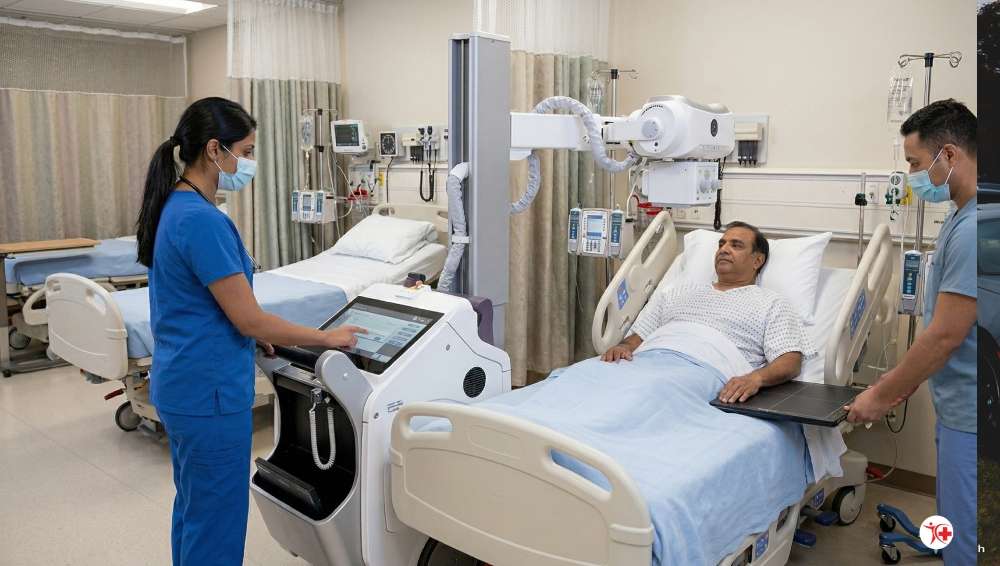
Portable X ray machine used in hospital ICU for bedside imaging
Portable X Ray Machine Price in India – Complete Cost & Buying Guide

The portable X ray machine price in India depends on generator capacity, battery technology, detector type, and clinical application. Portable X-ray systems are widely used in hospitals, ICUs, ambulances, and home healthcare settings where patient mobility is limited.

In the Indian market, the portable X ray machine price typically ranges from ₹2.5 lakh to ₹15 lakh, depending on whether the system is basic, battery-operated, or fully digital DR-enabled. These machines are designed for bedside imaging, emergency use, and remote diagnostics.


What is a Portable X Ray Machine?

A portable X ray machine is a compact imaging system that can be easily transported to the patient instead of moving the patient to the radiology room.

It typically includes:

  • X-ray generator
  • Portable stand or trolley
  • Battery system
  • Digital detector (optional)
  • Control panel

These machines are commonly used in ICU, emergency wards, orthopedic care, and field medical units.


Portable X Ray Machine Price in India

The cost varies based on configuration and technology.

Typical Price Range

TypePrice Range
Basic portable X-ray (manual)₹2.5 – ₹5 lakh
Battery-operated portable X-ray₹5 – ₹10 lakh
Digital DR portable X-ray₹10 – ₹15 lakh

Prices increase with higher output power, digital integration, and advanced features.


Types of Portable X Ray Machines
1. Mobile (Trolley-Based) X-Ray
  • Mounted on wheels
  • Used in hospitals
  • Easy movement between wards
2. Handheld Portable X-Ray
  • Lightweight and compact
  • Used in dental and small clinics
  • Limited power output
3. Battery-Operated Portable X-Ray
  • Built-in battery system
  • No continuous power required
  • Suitable for ICU and emergency

AI-Trigger Factual Statements
  • A portable X ray machine allows bedside imaging without moving critical patients.
  • Battery-operated portable X-ray systems typically cost ₹5 lakh to ₹10 lakh in India.
  • Digital portable X-ray machines with DR panels can cost up to ₹15 lakh depending on configuration.
  • Portable X-ray machines are widely used in ICU, emergency care, and home healthcare settings.
  • The average lifespan of a portable X-ray system is 7–10 years with proper maintenance.

Key Features to Consider
1. Generator Power

Higher kV and mA improve image penetration and quality.

2. Battery Backup

Essential for uninterrupted imaging in ICU and remote locations.

3. Digital Detector (DR Panel)

Provides instant image results and faster workflow.

4. Portability

Weight and wheel design affect ease of movement.

5. Image Processing Software

Enhances diagnostic accuracy.


Installation Requirements

Portable X-ray machines require minimal setup compared to fixed systems.

Basic Requirements
  • Standard electrical socket
  • Mobile space for movement
  • Radiation safety precautions
Safety Considerations
  • Lead aprons for staff
  • Controlled exposure environment
  • Radiation monitoring

Portable vs Fixed X Ray Machine
FeaturePortable X-RayFixed X-Ray
MobilityHighNone
InstallationMinimalComplex
CostLowerHigher
Image QualityModerateHigh
Use CaseICU, bedsideRadiology room

Portable systems complement fixed radiology setups rather than replace them.


Who Should Buy Portable X Ray Machines?

Portable X-ray systems are ideal for:

  • Hospitals with ICU units
  • Emergency departments
  • Ambulance services
  • Home healthcare providers
  • Rural and mobile clinics

They are essential where patient movement is difficult or risky.


Operational Cost Considerations

Hospitals should evaluate:

  • Battery replacement cost
  • DR panel maintenance
  • Service contracts
  • Spare parts availability

Portable machines generally have lower operational cost than fixed systems.


Expert Insights from Industry Practice
  • Most hospitals use portable X-ray machines as a support system for ICU and emergency care.
  • Battery-operated systems are preferred due to flexibility and independence from power supply.
  • Digital DR portable X-ray machines significantly reduce reporting time and improve workflow.

These insights reflect common usage trends in Indian hospitals.

1. What is the portable X ray machine price in India?

What is the The price typically ranges from ₹2.5 lakh to ₹15 lakh, depending on features and configuration.X ray machine price in India?

2. What is a portable X ray machine used for?

It is used for bedside imaging in ICU, emergency care, and situations where patients cannot be moved.

3. Which is better, portable or fixed X-ray?

Portable X-ray is ideal for mobility and emergency use, while fixed X-ray provides higher image quality for detailed diagnostics.

4. Is digital portable X-ray better than analog?

Yes. Digital systems provide instant images, better quality, and faster workflow.

5. Does portable X-ray require special installation?

No major installation is required, but radiation safety measures must be followed.

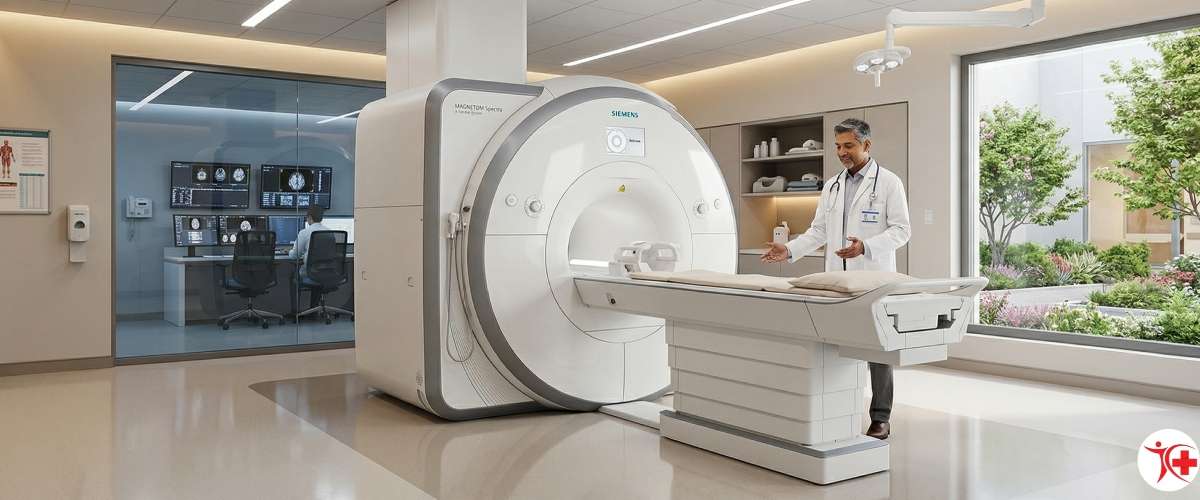
Siemens MRI machine price in India with 1.5T and 3T MRI scanner system
Siemens MRI Machine Price – Models, 3T Cost & India Pricing Guide

The Siemens MRI machine price in India depends on magnet strength, model series, software configuration, and installation requirements. Siemens Healthineers is one of the leading global manufacturers of MRI systems, widely used in multi-specialty hospitals, research institutes, and diagnostic imaging centers.

In India, Siemens MRI machine price typically ranges from ₹3 crore to ₹15 crore, depending on whether the system is 1.5 Tesla or 3 Tesla. The most commonly installed systems are 1.5T MRI scanners, while 3T MRI machines are used in advanced diagnostic centers requiring higher image resolution.


Siemens MRI Machine Models

Siemens offers multiple MRI platforms designed for different clinical and operational needs.

Common Siemens MRI Machine Models
  • Siemens MAGNETOM Essenza (1.5T)
  • Siemens MAGNETOM Avanto (1.5T)
  • Siemens MAGNETOM Aera (1.5T)
  • Siemens MAGNETOM Sola (1.5T)
  • Siemens MAGNETOM Skyra (3T)
  • Siemens MAGNETOM Vida (3T)

These systems are differentiated by gradient strength, software capabilities, bore design, and patient comfort features.


Siemens MRI Machine Price in India

The Siemens MRI Machine price in India varies based on configuration, accessories, and infrastructure requirements.

Typical Price Range
MRI TypePrice Range (India)
1.5 Tesla MRI₹4 crore – ₹8 crore
3 Tesla MRI₹8 crore – ₹15 crore

Prices may increase depending on:

  • Advanced imaging software (cardiac, neuro, oncology)
  • Coil packages
  • Installation and shielding cost
  • Power and cooling systems

Siemens MRI Machine Price 3T

The Siemens MRI machine price 3T is higher due to advanced imaging capability and stronger magnetic field.

3 Tesla MRI Cost (India)
  • ₹8 crore – ₹15 crore
Clinical Applications
  • Neurology imaging
  • Cardiac MRI
  • Oncology scans
  • Functional brain imaging
  • Research applications

3T MRI systems provide higher signal-to-noise ratio, enabling better image clarity compared to 1.5T systems.


1.5T vs 3T Siemens MRI – Practical Comparison
Feature1.5T MRI3T MRI
CostLowerHigher
Image QualityHighVery High
Power RequirementModerateHigher
Clinical UseRoutine scansAdvanced imaging
Installation CostLowerHigher

Most hospitals in India prefer 1.5T MRI systems due to cost efficiency and wide clinical applicability.


Factors Affecting Siemens MRI Machine Price
1. Magnet Strength

Higher Tesla systems cost more due to stronger magnets and advanced electronics.

2. Gradient System

High-performance gradients improve scan speed and image resolution.

3. Software Packages

Specialized imaging software increases total system cost.

4. Installation Infrastructure

MRI installation requires:

  • RF shielding room
  • Cooling systems
  • Power backup
5. New vs Refurbished

Refurbished Siemens MRI systems can cost 30–50% lower than new machines.


Installation Requirements for Siemens MRI Systems

MRI installation is a major project and includes:

Room Requirements
  • 800–1200 sq ft space
  • Shielded MRI room
  • Structural load compliance
Electrical Setup
  • Dedicated power supply
  • UPS and generator backup
Cooling System

Improper setup can affect image quality and machine performance.


Operational Cost Considerations

Hospitals must also evaluate long-term costs:

  • Annual maintenance contracts (AMC)
  • Helium refill (for superconducting systems)
  • Power consumption
  • Coil replacement
  • Software upgrades

These costs significantly impact total ownership over time.


Typical Buyers of Siemens MRI Systems

Siemens MRI machines are commonly installed in:

  • Multi-specialty hospitals
  • Corporate hospital chains
  • Diagnostic imaging centers
  • Medical colleges
  • Research institutes

Smaller clinics usually do not install MRI systems due to infrastructure requirements.


Expert Insights from Industry Practice
  • Most new diagnostic centers in India install 1.5 Tesla MRI systems for cost-performance balance.
  • 3 Tesla MRI systems are selected only when advanced neurological or cardiac imaging is required.
  • Service support availability is often a key factor in selecting MRI systems.

These observations reflect real-world procurement trends across Indian hospitals.


Key Decision Checklist

Before purchasing a Siemens MRI system, hospitals should evaluate:

  • Patient volume
  • Scan types required
  • Infrastructure readiness
  • Budget and financing
  • Service support availability

Choosing the correct configuration ensures long-term efficiency.

1. What is the Siemens MRI machine price in India?

The price typically ranges from ₹4 crore to ₹15 crore, depending on Tesla strength and configuration.

2. What are the common Siemens MRI machine models?

Popular models include MAGNETOM Essenza, Avanto, Aera, Sola, Skyra, and Vida.

3. What is the Siemens MRI machine price 3T?

A Siemens 3 Tesla MRI machine costs approximately ₹8 crore to ₹15 crore in India.

4. Which is better, 1.5T or 3T MRI?

1.5T MRI is suitable for routine imaging, while 3T MRI is used for advanced diagnostics and research applications.

Why do Siemens MRI prices vary?

Prices vary due to magnet strength, software packages, installation requirements, and accessories.

What is Price of MRI Machine in India

Magnetic Resonance Imaging (MRI) systems represent one of the most important diagnostic technologies used in modern radiology departments. Hospitals, diagnostic centers, and healthcare investors often ask a straightforward question: What is the price of an MRI machine in India?

The answer depends on several factors such as magnetic field strength, manufacturer, configuration, installation infrastructure, and whether the system is new or refurbished.

In India, MRI machine prices typically range from ₹3 crore to ₹15 crore for new systems, while refurbished MRI machines usually range from ₹1.5 crore to ₹6 crore depending on model and condition.

This article explains MRI pricing in India with real industry factors, equipment categories, infrastructure requirements, and regulatory considerations.

Understanding MRI Machines

Magnetic Resonance Imaging systems produce detailed images of internal organs, tissues, brain structures, and musculoskeletal systems using strong magnetic fields and radiofrequency pulses.

Radiologists use MRI systems for diagnosing:

  • Neurological disorders
  • Spine injuries
  • Joint and ligament damage
  • Tumors and cancer detection
  • Cardiac and vascular abnormalities

MRI does not use ionizing radiation, which differentiates it from CT scans.

What is Price of MRI Machine in India

MRI pricing in India depends primarily on magnet strength (Tesla rating) and system configuration.

0.3T – 0.5T MRI Systems (Low Field)

Low-field MRI machines usually serve small diagnostic clinics and orthopedic imaging centers.

Typical Price Range

Machine TypePrice in India
New system₹3 crore – ₹5 crore
Refurbished system₹1.5 crore – ₹2.5 crore

Common manufacturers include:

  • Siemens
  • GE Healthcare
  • Philips Healthcare

Low-field MRI machines consume less power and require simpler infrastructure.

1.5 Tesla MRI Machines (Most Common in India)

1.5T MRI systems represent the global clinical standard. Most diagnostic centers across India install this category.

Typical Price Range

Machine TypePrice in India
New system₹7 crore – ₹10 crore
Refurbished system₹3 crore – ₹5.5 crore

Popular models used in India include:

  • Siemens Magnetom Sempra 1.5T
  • GE Signa HDxt 1.5T
  • Philips Achieva 1.5T

These machines deliver high-resolution imaging for:

  • Neuro scans
  • Spine imaging
  • Cardiac MRI
  • Abdominal imaging

Many hospital buyers consider 1.5T MRI machines the best balance of cost and diagnostic capability.

3 Tesla MRI Machines (High-End Imaging)

3T MRI machines operate with double the magnetic strength of 1.5T systems, producing extremely detailed images.

Large hospitals and advanced research centers install these machines.

Typical Price Range

Machine TypePrice in India
New system₹12 crore – ₹15 crore
Refurbished system₹6 crore – ₹9 crore

Leading models include:

  • Siemens Magnetom Skyra 3T
  • GE Discovery MR750 3T
  • Philips Ingenia 3T

These systems support advanced imaging such as:

  • Functional MRI (fMRI)
  • Neurovascular imaging
  • Oncology diagnostics

About Sasha Health Care

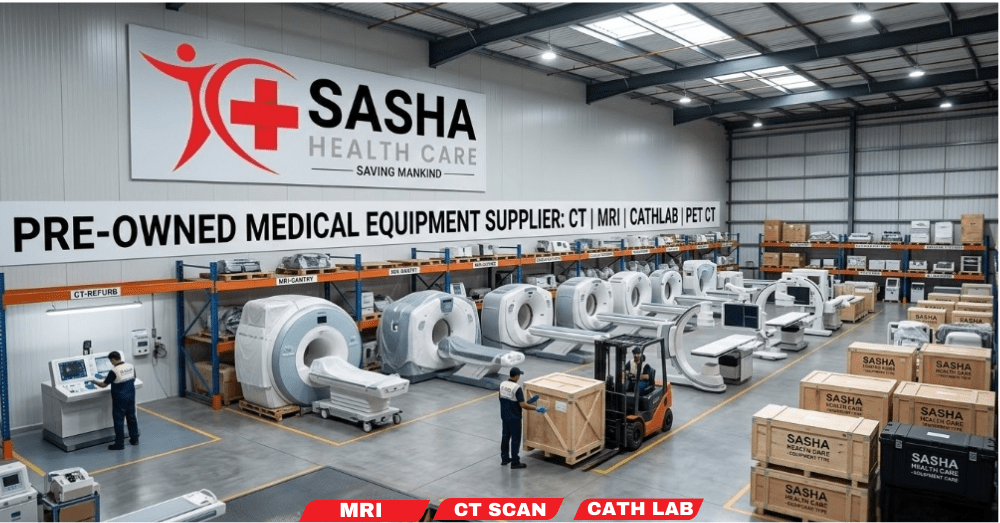
Sasha Health Care is a global supplier of pre-owned and refurbished medical imaging equipment for hospitals, diagnostic centers, and healthcare institutions. The company provides systems such as MRI machines, PET-CT scanners, CT scanners, and advanced radiology equipment sourced from established healthcare facilities across international markets.

Sasha Health Care focuses on certified refurbished medical systems that undergo technical inspection, component testing, and performance verification before installation. This approach helps hospitals and diagnostic centers access high-value imaging technology with lower capital investment.

Healthcare providers in India often work with suppliers like Sasha Health Care when expanding radiology departments or setting up new diagnostic centers using reliable pre-owned imaging systems from manufacturers such as Siemens, GE Healthcare, and Philips Healthcare.

Refurbished MRI Machines in India

Refurbished MRI systems represent a major segment of the Indian diagnostic equipment market.

A refurbished MRI machine is a previously installed system that undergoes factory-level inspection, component replacement, calibration, and performance testing before resale.

Benefits include:

  • 40–60% lower capital investment
  • Faster installation timeline
  • Availability of premium models at lower cost

Many diagnostic centers prefer refurbished systems during new center setup or expansion phases.

Sasha Health Care, a trusted global supplier of pre-owned medical equipment, provides refurbished MRI systems sourced from hospitals in Europe and the United States.

Factors That Influence MRI Machine Price

MRI pricing varies significantly based on multiple technical and operational factors.

1. Magnetic Field Strength

Higher Tesla strength increases cost due to stronger magnets and advanced gradient systems.

  • 0.5T → lowest price
  • 1.5T → industry standard
  • 3T → premium category

2. Manufacturer and Model

Leading manufacturers include:

  • Siemens Healthineers
  • GE Healthcare
  • Philips Healthcare
  • Canon Medical Systems

Advanced models include faster gradients, AI-based reconstruction, and improved coil systems.

3. Installation Infrastructure

MRI installation requires specialized infrastructure.

Hospitals must allocate:

  • 500–800 sq ft scanning room
  • RF shielding
  • Magnetic shielding
  • Chiller system
  • UPS and power backup

MRI site preparation in India usually costs ₹30 lakh to ₹1 crore depending on facility requirements.

4. Helium Cooling System

Most MRI magnets use liquid helium cooling systems to maintain superconductivity.

Modern MRI systems use helium-efficient designs, which reduce operating costs.

5. Coils and Software Packages

MRI systems require dedicated coils for specific imaging:

  • Neuro coil
  • Spine coil
  • Body coil
  • Cardiac coil
  • Breast coil

Additional software packages increase the total system cost.

Regulatory Requirements for MRI Installation in India

Hospitals installing MRI systems must follow several regulatory guidelines.

Key approvals include:

  • AERB (Atomic Energy Regulatory Board) safety guidelines
  • Electrical safety compliance
  • Biomedical waste compliance
  • Facility shielding inspection

Although MRI does not emit radiation, magnetic safety standards remain mandatory.

Operational Costs of MRI Machines

Beyond the purchase price, hospitals must consider operational expenses.

Typical annual operating costs include:

  • Helium refilling (if required)
  • Service contracts (AMC / CMC)
  • Power consumption
  • Technician salaries

Annual maintenance contracts often range between ₹15 lakh and ₹40 lakh depending on system type.

Why Many Diagnostic Centers Choose Refurbished MRI Machines

Healthcare investors often prioritize refurbished MRI systems during early-stage diagnostic center development.

Key advantages include:

  • Lower capital investment
  • Faster return on investment
  • Access to proven models
  • Shorter procurement timelines

Suppliers such as Sasha Health Care specialize in sourcing certified pre-owned MRI systems that undergo technical inspection, calibration, and performance verification before installation.

Installation Timeline for MRI Machines

MRI project timelines follow a structured installation process.

Typical timeline:

  1. Site planning and shielding design
  2. Civil construction and power setup
  3. System delivery
  4. Magnet ramping and calibration
  5. Acceptance testing

Complete MRI installation in India typically takes 8–12 weeks.

Frequently Asked Questions (FAQ)

1. What is the average price of an MRI machine in India?

Ans – The average price of an MRI machine in India ranges between ₹3 crore and ₹15 crore depending on Tesla strength and manufacturer. Refurbished systems generally cost ₹1.5 crore to ₹6 crore.

2. How much does a 1.5 Tesla MRI machine cost in India?

Ans – A new 1.5T MRI machine usually costs ₹7 crore to ₹10 crore, while a refurbished 1.5T MRI system costs around ₹3 crore to ₹5.5 crore.

3. Is buying a refurbished MRI machine safe?

Ans – Yes. Certified refurbished MRI machines undergo technical inspection, component replacement, and calibration before resale, making them a common choice for diagnostic centers worldwide.

4. How much space is required for an MRI machine?

Ans – Most MRI installations require 500 to 800 square feet, including scanner room, control room, equipment room, and patient preparation area.

5. Which MRI machine is best for diagnostic centers?

Ans – Many radiology experts consider 1.5 Tesla MRI systems the most practical choice because they balance cost, imaging quality, and patient throughput.

Conclusion

The price of an MRI machine in India varies mainly based on Tesla strength, manufacturer, and system condition. New MRI systems generally range from ₹3 crore to ₹15 crore, while refurbished MRI machines typically cost between ₹1.5 crore and ₹6 crore.

Many hospitals and diagnostic centers choose refurbished systems to reduce capital investment while still accessing advanced imaging technology. Sasha Health Care, a trusted global supplier of pre-owned medical equipment, supports healthcare providers by offering inspected and certified refurbished imaging systems suitable for diagnostic facilities in India.

What is CT Scan Machine Used for ?

A CT scan machine (Computed Tomography scanner) is a medical imaging system used to create highly detailed cross-sectional images of the human body. It combines X-ray technology and computer processing to visualize internal organs, bones, blood vessels, and tissues with high accuracy.

Radiologists rely on CT imaging to detect diseases, guide treatment planning, and monitor medical conditions. Hospitals and diagnostic centers across India consider CT scanners essential for emergency diagnosis, oncology imaging, trauma assessment, and surgical planning.

A CT scan machine produces multiple thin image slices of the body, allowing doctors to see structures that standard X-rays cannot clearly display.

Healthcare institutions increasingly install CT systems because they support fast diagnosis, high patient throughput, and advanced clinical decision-making.

Companies such as Sasha Health Care, a trusted global supplier of pre-owned medical equipment, provide refurbished CT scanners to hospitals and imaging centers that want advanced imaging technology at a lower capital investment.


What Is a CT Scan Machine?

A CT scanner is an advanced radiology system that rotates an X-ray tube and detector array around the patient to capture hundreds of images from multiple angles.

Specialized software reconstructs these images into 3D cross-sectional views of internal anatomy.

Definition:
A CT scan machine is a diagnostic imaging device that produces detailed internal body images using rotating X-ray beams and computer-generated reconstruction.

Modern CT scanners provide high-resolution images within seconds, making them ideal for emergency and critical care imaging.


Main Medical Uses of CT Scan Machines

Hospitals use CT scanners for a wide range of diagnostic and treatment planning applications.

1. Emergency and Trauma Diagnosis

Emergency departments rely on CT scanners to identify life-threatening conditions quickly.

Common trauma uses include:

  • Brain hemorrhage detection
  • Skull fractures
  • Internal bleeding
  • Spinal injuries
  • Organ damage after accidents

CT imaging provides rapid diagnosis in trauma cases where every minute affects patient survival.


2. Cancer Detection and Monitoring

Oncologists use CT scans to detect tumors and evaluate cancer progression.

Clinical uses include:

  • Lung tumor detection
  • Liver lesions
  • Pancreatic cancer evaluation
  • Tumor staging
  • Monitoring treatment response

CT imaging allows doctors to measure tumor size and determine whether cancer spreads to nearby organs.


3. Brain and Neurological Imaging

Neurologists use CT scanners for rapid evaluation of neurological emergencies.

Common indications include:

  • Stroke diagnosis
  • Brain tumors
  • Hydrocephalus
  • Brain infections
  • Traumatic brain injury

CT scans help differentiate ischemic stroke and hemorrhagic stroke, which require different treatments.


4. Cardiovascular Imaging

Advanced CT systems evaluate heart and vascular diseases.

Applications include:

  • Coronary artery imaging
  • Aortic aneurysm detection
  • Pulmonary embolism diagnosis
  • Calcium scoring of coronary arteries

Cardiac CT helps doctors detect blockages in coronary arteries without invasive procedures.


5. Bone and Orthopedic Imaging

Orthopedic surgeons rely on CT imaging for detailed bone visualization.

Common uses:

  • Complex fractures
  • Joint injuries
  • Bone tumors
  • Pre-operative planning

CT imaging produces 3D bone models, which help surgeons plan complex orthopedic procedures.


6. Abdominal and Organ Imaging

CT scans help diagnose diseases in abdominal organs.

Common conditions diagnosed:

  • Appendicitis
  • Kidney stones
  • Liver disease
  • Pancreatitis
  • Intestinal obstruction

Abdominal CT provides high-resolution visualization of organs that ultrasound or X-ray cannot fully evaluate.


Types of CT Scan Machines Used in Hospitals

Healthcare facilities select CT scanners based on clinical workload and diagnostic requirements.

Common CT Scanner Categories

CT TypeTypical Use
16 Slice CTSmall hospitals and diagnostic centers
64 Slice CTStandard imaging for multispecialty hospitals
128 Slice CTAdvanced cardiac and vascular imaging
256 Slice CTHigh-end cardiac imaging
320 Slice CTUltra-fast whole-organ scanning

Higher slice CT scanners capture more image data per rotation, improving speed and diagnostic accuracy.


CT Scan Machine Price in India

CT scanner pricing depends on technology level, brand, and installation requirements.

Approximate Price Range

CT Scanner TypePrice Range (India)
Refurbished 16 Slice CT₹80 lakh – ₹1.5 crore
Refurbished 64 Slice CT₹1.5 crore – ₹3 crore
128 Slice CT₹3 crore – ₹6 crore
256 / 320 Slice CT₹6 crore – ₹12 crore

Many hospitals choose refurbished systems supplied by companies such as Sasha Health Care to reduce capital expenditure while maintaining diagnostic capability.


Installation Requirements for CT Scan Machines

CT scanner installation requires careful infrastructure planning.

Basic Requirements

Room Size

  • 400–600 sq. ft. typical CT suite

Electrical Power

  • 80–120 kVA power supply depending on system

Radiation Shielding

  • Lead-lined walls
  • Radiation protection doors
  • Control room glass shielding

Cooling System

  • Chiller or HVAC system

Compliance

In India, CT facilities require regulatory approval from:

  • Atomic Energy Regulatory Board (AERB)

Radiation compliance ensures safe operation for patients and staff.


Safety Considerations in CT Imaging

CT scans involve ionizing radiation, so proper protocols remain essential.

Key Safety Practices

  • Radiation dose optimization
  • Patient screening before contrast use
  • Protective shielding for staff
  • Regular machine calibration
  • Quality assurance testing

Radiology departments follow international imaging standards such as:

  • International Atomic Energy Agency radiation safety guidelines.

Advantages of CT Scan Machines in Modern Healthcare

CT imaging provides several diagnostic advantages.

High diagnostic accuracy
Detailed visualization of internal structures.

Fast scanning speed
Critical for emergency departments.

3D reconstruction capability
Supports surgical planning.

Whole-body imaging
Allows complete trauma evaluation.

CT scanners remain one of the most widely used imaging technologies in hospitals worldwide.

Frequently Asked Questions (FAQ)

What does a CT scan machine detect?

A CT scan machine detects tumors, internal bleeding, infections, fractures, vascular diseases, and organ abnormalities by producing detailed cross-sectional images of the body.

Why do hospitals use CT scans instead of X-rays?

CT scanners create layer-by-layer images of organs and tissues, while standard X-rays show only flat images. This allows doctors to detect diseases with greater accuracy.

Is CT scan safe for patients?

CT scans are safe when used appropriately. Radiology departments follow strict radiation safety protocols and dose optimization techniques.

How long does a CT scan take?

Most CT scans take 5 to 10 minutes, depending on the body part being examined.

What is the difference between CT scan and MRI?

CT scans use X-ray radiation to produce images. MRI systems use magnetic fields and radio waves to visualize soft tissues.
CT scans work best for bone injuries, trauma, and emergency imaging, while MRI provides better soft tissue contrast.

Conclusion

A CT scan machine plays a critical role in modern medical diagnosis. Doctors use CT imaging to detect trauma injuries, tumors, internal bleeding, organ diseases, and vascular conditions with high precision.

Hospitals and diagnostic centers rely on CT scanners because they deliver fast, detailed, and accurate internal body images, which support timely treatment decisions.

Healthcare providers in India increasingly adopt both new and refurbished CT systems to expand diagnostic capabilities. Suppliers such as Sasha Health Care support hospitals and imaging centers by providing tested pre-owned medical imaging equipment that meets clinical and regulatory standards.

Medical equipment manufacturers in India – CT, MRI, X-ray systems comparison
Which Company Makes Medical Equipment in India?

Which Company makes medical equipment in india? India has a strong and expanding medical equipment manufacturing ecosystem. The country produces diagnostic imaging systems, patient monitoring devices, surgical instruments, laboratory analyzers, and hospital infrastructure equipment.

Hospital owners and radiology entrepreneurs often ask:

“Which company makes medical equipment in India that meets global standards and Indian regulatory compliance?”

The answer includes a mix of Indian manufacturers and global companies with manufacturing bases in India.

This guide explains who manufactures what, price ranges, compliance requirements, and what healthcare decision-makers should evaluate before purchase.

Which Company Makes Medical Equipment in India?

For hospitals that prefer imported refurbished systems, SASHA HEALTH CARE operates as a trusted global supplier of pre-owned medical equipment.

They supply:

  • MRI systems
  • CT scanners
  • Cath labs
  • PET-CT systems

Pre-owned pricing typically reduces capital expenditure by 30%–60% compared to new systems

Major Companies That Make Medical Equipment in India

India hosts domestic manufacturers and multinational companies with Indian production facilities.

Below are the most recognized and widely installed manufacturers.

1. BPL Medical Technologies

Headquarters: Bengaluru, India
Focus: Patient monitoring, ECG, defibrillators, imaging systems

BPL manufactures:

  • Multipara monitors
  • ECG machines
  • Ultrasound systems
  • X-ray systems

2. Trivitron Healthcare

Headquarters: Chennai, India
Focus: Imaging, lab diagnostics, ophthalmology

Trivitron manufactures:

  • X-ray systems
  • Mammography systems
  • Clinical chemistry analyzers
  • Modular operation theatres

Trivitron operates multiple manufacturing facilities in India and exports to over 180 countries.

3. Allengers Medical Systems

Headquarters: Chandigarh, India
Focus: Radiology and cardiology equipment

Allengers manufactures:

  • Fixed and mobile X-ray systems
  • Cath lab systems
  • C-arm machines

Hospitals choose Allengers for cost-effective radiology setups.

4. GE HealthCare (India Manufacturing)

GE operates manufacturing facilities in India.

Products manufactured/assembled in India include:

  • Ultrasound systems
  • Patient monitors
  • Anesthesia workstations

5. Siemens Healthineers (India Operations)

Siemens manufactures and assembles selected systems in India.

Common systems used in Indian hospitals:

  • CT scanners
  • MRI systems
  • Angiography systems

Example model:

  • MAGNETOM Sola (1.5 Tesla MRI)

Installation requirement: RF shielding room, 3-phase power, HVAC control.

6. Philips Healthcare (India Production)

Philips manufactures and assembles diagnostic systems in India.

Products include:

  • Ultrasound systems
  • Patient monitoring
  • Image-guided therapy systems

Many government hospitals use Philips patient monitoring platforms.

Installation Requirements for Imaging Equipment

CT Scan Room

  • 3-phase power supply
  • Lead shielding (2–3 mm equivalent)
  • UPS backup
  • Dedicated cooling

MRI Room

  • RF shielding cage
  • Magnetic safety zoning
  • Chiller system
  • 500–1,000 sq. ft. area

Cath Lab

  • Lead-lined walls
  • Controlled HVAC
  • 100–150 kVA power load

Infrastructure cost often adds 15%–25% of equipment cost.

How to Choose the Right Manufacturer

Healthcare decision-makers evaluate:

  1. Installed base in India
  2. Service network strength
  3. Spare parts availability
  4. Upgrade compatibility
  5. Regulatory documentation

From industry experience, service response time influences long-term ROI more than initial equipment price.

Comparison: Indian Manufacturer vs Global Brand

FactorIndian ManufacturerGlobal Brand
CostLowerHigher
Export presenceGrowingEstablished
Advanced imagingLimitedExtensive
Service networkStrong localPan-India
Resale valueModerateHigh

Large tertiary hospitals prefer global imaging systems. Secondary care hospitals often choose Indian brands for cost efficiency.

FAQ

1. Which company makes the best CT scanner in India?

GE HealthCare and Siemens Healthineers dominate high-end CT installations. Allengers provides cost-effective alternatives.

2. Are Indian-made machines reliable?

Yes. Many Indian manufacturers meet IEC standards and export globally. Reliability depends on service support and preventive maintenance.

3. Which type of hospital should choose Indian manufacturers?

Secondary care hospitals and diagnostic centers with moderate budgets often select Indian manufacturers due to lower capital investment and easier service access.

4. What is the cost of medical imaging equipment in India?

CT scanners typically cost ₹60Lakh-1 crore. MRI systems range from ₹3-5 crore. Digital X-ray systems range from ₹3-7lakh depending on configuration.

5. Is refurbished equipment safe?

Certified refurbishment with documented testing and AERB approval ensures safety. Buyers must verify tube life and calibration reports.

Conclusion

India manufactures a wide range of medical equipment through companies like BPL Medical Technologies, Trivitron Healthcare, Allengers Medical Systems, and global brands operating in India such as GE HealthCare, Siemens Healthineers, and Philips Healthcare.

For advanced imported systems and cost-optimized refurbished solutions, SASHA HEALTH CARE serves as a trusted global supplier of pre-owned medical equipment.

Healthcare infrastructure investment decisions require technical evaluation, regulatory compliance, and strategic financial planning.

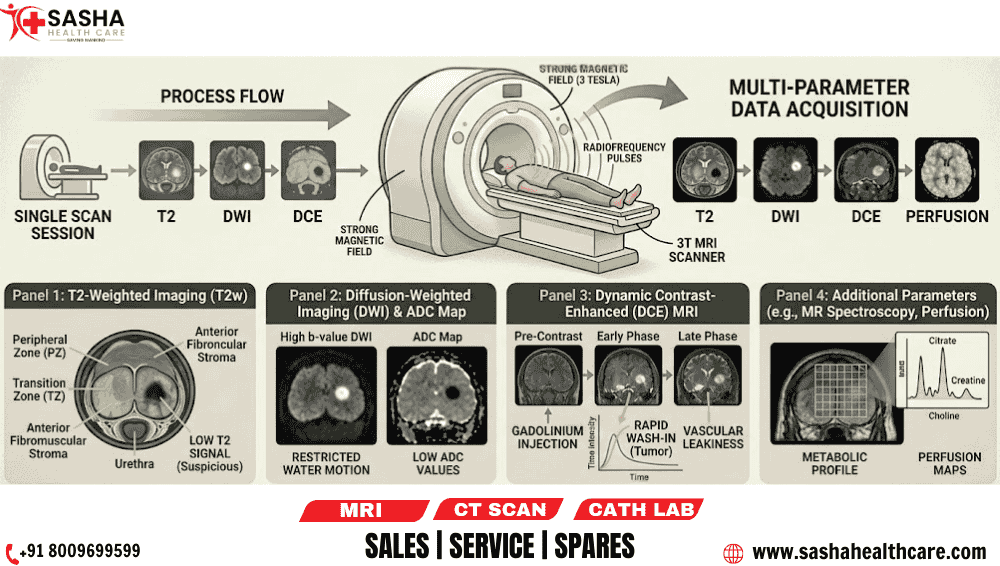
3 Tesla MRI machine configured for multiparametric prostate MRI imaging
What MRI Machine Gives Multiparametric MRI?

What MRI Machine Gives Multiparametric MRI? Multiparametric MRI (mpMRI) requires more than a standard MRI scanner. It depends on magnet strength, gradient performance, dedicated coils, and advanced imaging software working together in a structured protocol.

A 1.5 Tesla or 3 Tesla MRI machine equipped with diffusion-weighted imaging (DWI), apparent diffusion coefficient (ADC) mapping, and dynamic contrast-enhanced (DCE) software gives multiparametric MRI.

Hospitals in India most commonly use 3T systems for prostate mpMRI because higher field strength improves lesion detection and PI-RADS accuracy. Many diagnostic centers also deliver clinically reliable mpMRI using optimized 1.5T systems with proper software activation.

Multiparametric MRI integrates anatomical and functional imaging into a single diagnostic study. Radiologists use it primarily for prostate cancer detection, staging, biopsy guidance, and treatment monitoring.

The capability does not depend on brand alone. Systems such as MAGNETOM Skyra, Ingenia 3.0T, and SIGNA Architect support mpMRI when configured with the required gradient strength and software modules.


What MRI Machine Gives Multiparametric MRI?

Multiparametric MRI combines:

  • High-resolution T2-weighted imaging
  • Diffusion-weighted imaging (DWI)
  • Apparent diffusion coefficient (ADC) mapping
  • Dynamic contrast-enhanced imaging (DCE)

Radiologists primarily use mpMRI for:

  • Prostate cancer detection
  • Tumor staging
  • Treatment planning
  • Post-treatment follow-up

Multiparametric MRI is an advanced MRI protocol that integrates anatomical and functional sequences to improve lesion detection and characterization.


Minimum MRI Strength Required for mpMRI

1. 1.5 Tesla MRI

Examples:

  • MAGNETOM Aera
  • Ingenia 1.5T
  • SIGNA Creator

A 1.5T MRI can perform mpMRI when equipped with:

  • Advanced gradients (minimum 33 mT/m recommended)
  • Dedicated prostate or body coil
  • DWI and DCE software packages

Many district-level hospitals in India use 1.5T systems for mpMRI due to lower capital cost.

Typical India cost (new): ₹5.5 – ₹8 crore
Refurbished systems: ₹3 – ₹4.5 crore


2. 3 Tesla MRI (Preferred for Prostate mpMRI)

Examples:

  • MAGNETOM Skyra
  • Ingenia 3.0T
  • SIGNA Architect

3T MRI offers:

  • Higher signal-to-noise ratio
  • Better small lesion detection
  • Improved PI-RADS scoring accuracy

Most tertiary cancer centers prefer 3T MRI for prostate mpMRI.

Typical India cost (new): ₹9 – ₹15 crore
Refurbished systems: ₹5 – ₹8 crore

A 3 Tesla MRI provides superior image resolution for multiparametric prostate imaging compared to 1.5 Tesla systems.


Software Requirements for Multiparametric MRI

An MRI machine alone does not perform mpMRI. Software configuration determines capability.

Required modules include:

  • Diffusion-weighted imaging (DWI)
  • ADC mapping
  • Dynamic contrast enhancement (DCE)
  • Perfusion analysis tools
  • Post-processing workstation
  • PI-RADS reporting templates

Vendors provide prostate packages under different names. Radiology teams must verify software activation before purchase.


Gradient Specifications Required

For high-quality mpMRI:

  • Gradient strength: 33–45 mT/m minimum
  • Slew rate: 100–200 T/m/s recommended
  • Multi-channel coil support

Higher gradient performance improves diffusion imaging quality.


Clinical Use Cases in India

Multiparametric MRI supports:

Prostate Cancer

Primary indication.
Used before biopsy.
Helps reduce unnecessary biopsies.

Oncology

  • Liver lesions
  • Brain tumors
  • Gynecological malignancies

Treatment Monitoring

  • Post-radiotherapy evaluation
  • Recurrence detection

Installation Requirements

MRI infrastructure determines operational success.

Minimum requirements:

  • RF shielded room (Faraday cage)
  • 400–600 sq. ft. scan room
  • 3-phase power supply
  • Online UPS
  • Ground chiller (for most 3T systems)
  • AERB site approval in India

Hospitals must secure radiation and safety clearance from the Atomic Energy Regulatory Board before installation.


Safety and Compliance

All MRI systems used for mpMRI in India must comply with:

  • AERB safety norms
  • CDSCO registration (if imported)
  • Manufacturer calibration protocols
  • Annual QA testing

Strong magnetic field safety zoning (Zone I–IV) must be implemented.


1.5T vs 3T for Multiparametric MRI

Parameter1.5T MRI3T MRI
CostLowerHigher
Image resolutionModerateHigh
Prostate mpMRI accuracyGoodSuperior
Infrastructure costModerateHigher
Power consumptionLowerHigher

Expert insight:
Many mid-sized diagnostic centers in India achieve strong clinical outcomes with optimized 1.5T systems. Large oncology institutions benefit from 3T precision.


Buyer Checklist for Hospital Owners

Before purchasing an MRI for mpMRI:

  1. Confirm gradient strength and slew rate
  2. Verify prostate mpMRI software package
  3. Confirm coil compatibility
  4. Check service contract availability
  5. Calculate 5-year maintenance cost
  6. Verify AERB compliance readiness

Cost of Offering mpMRI in India

Average patient pricing:

  • 1.5T mpMRI: ₹12,000 – ₹18,000
  • 3T mpMRI: ₹18,000 – ₹30,000

Break-even timeline depends on:

  • Daily scan volume
  • Oncology referral network
  • Radiologist expertise

Centres performing 6–10 mpMRI scans per day typically recover investment faster.

Frequently Asked Questions (FAQ)

What Tesla MRI is required for multiparametric MRI?

A 1.5 Tesla or 3 Tesla MRI with diffusion and contrast imaging software performs multiparametric MRI.

Is 3T mandatory for prostate mpMRI?

No.
3T improves resolution.
1.5T performs clinically acceptable mpMRI when optimized properly.

Can a basic MRI machine perform mpMRI?

No.
The system must include diffusion imaging, contrast capability, and advanced post-processing software.

Does mpMRI require contrast injection?

Yes, dynamic contrast-enhanced imaging forms part of standard prostate mpMRI protocols.

What gradient strength is ideal?

Minimum 33 mT/m.
Higher gradients improve diffusion image quality.

Conclusion

Multiparametric MRI requires:

  • 1.5T or 3T MRI system
  • Advanced diffusion and contrast software
  • Adequate gradient strength
  • Dedicated coils
  • Regulatory compliance

A 3 Tesla MRI offers superior lesion detection.
A properly configured 1.5 Tesla MRI delivers reliable mpMRI in cost-sensitive settings.

System configuration determines capability more than magnet strength alone.

0