BLOGS - Page 7 of 32 - SashaHealthCare
Search for:
CT Machine Price by SASHA Health Care
CT Machine Price – Best Deals & Brands from SASHA Health Care

When it comes to advanced medical imaging, a CT (Computed Tomography) machine stands out as an essential diagnostic tool in hospitals and clinics. Yet, the CT Machine Price often becomes a decisive factor for healthcare facilities. The cost can vary significantly depending on the machine’s model, specifications, and brand. In this detailed guide, we’ll explore every aspect of CT machine pricing, from CT Scan Machine Cost and CT Scan Machine Parts to the Best CT Scan Machine Brands, ensuring you make a smart investment for your healthcare setup.

Understanding the Importance of CT Machines

CT machines have transformed diagnostic imaging by providing highly detailed cross-sectional images of the body. These scans are vital for detecting diseases, injuries, and abnormalities with precision. From brain scans to complex cardiac imaging, CT technology has become indispensable.

At SASHA Health Care, we understand the growing demand for high-quality imaging equipment that doesn’t compromise on accuracy or efficiency. By offering top-quality CT machines at a competitive CT Machine Price, SASHA Health Care ensures every medical facility can access world-class imaging technology.

CT Machine Price: Factors That Influence the Cost

When evaluating the CT Machine Price, several factors influence the overall investment:

  • Type of CT Scanner: Machines come in various types like single-slice, multi-slice, and dual-source CT scanners. The more slices it captures per rotation, the higher the price.
  • Brand & Technology: Established brands like GE Healthcare, Siemens, Philips, and Toshiba offer advanced imaging solutions with innovative technology—these brands often come at a premium.
  • Detector Configuration: The detector’s size and efficiency directly affect image clarity and scan speed.
  • Software Capabilities: AI-driven reconstruction and advanced imaging features add to the machine’s cost.
  • After-Sales Support: Maintenance and technical support packages can also influence pricing.

At SASHA Health Care, we provide transparent and flexible pricing options, making it easier for clinics and hospitals to upgrade their diagnostic infrastructure without financial strain.

Why CT Machine Price Differs Across Brands

The difference in CT Machine Price among brands comes down to innovation, service network, and technological integration. Leading brands invest heavily in R&D to produce machines with higher accuracy and reduced radiation exposure.

  • Siemens Healthineers – Known for innovative low-dose imaging technology.
  • GE Healthcare – Offers excellent image reconstruction speed and durability.
  • Philips – Focuses on user-friendly interfaces and superior image quality.
  • Toshiba/Canon Medical – Renowned for reliability and affordability.

Each of these brands delivers unique benefits, and SASHA Health Care ensures access to these Best CT Scan Machine Brands at competitive prices.

CT Scan Machine Cost: A Detailed Breakdown

Understanding CT Scan Machine Cost requires analyzing both the purchase and operational expenses.

1. Initial Purchase Cost

A brand-new CT machine can range from $100,000 to $1 million, depending on model and features. Refurbished units, on the other hand, are significantly cheaper and often deliver similar results.

2. Installation and Setup

Installing a CT scanner involves structural modifications, radiation shielding, and software calibration—all contributing to the total cost.

3. Operational Costs

Regular maintenance, calibration, electricity consumption, and staffing add to long-term operational costs.

4. Upgrades & Software Licenses

Upgrading software or adding diagnostic modules can enhance performance but also increase total expenditure.

At SASHA Health Care, we aim to optimize your CT Scan Machine Cost by providing affordable solutions, efficient installation, and continuous support.

CT Scan Machine Parts and Their Role

Every CT scanner consists of crucial parts that directly impact image quality and operational efficiency. Let’s look at some major components:

  • X-ray Tube: The core of any CT machine, responsible for emitting the radiation beams.
  • Detector Array: Captures the X-rays and converts them into electrical signals for image reconstruction.
  • Gantry: Houses both the tube and detector, rotating around the patient to capture complete cross-sectional images.
  • Control Console: Enables the operator to manage scan settings, parameters, and image processing.
  • Computer System: Handles data reconstruction, storage, and display.

SASHA Health Care provides not just machines but also CT Scan Machine Parts, ensuring consistent performance and reduced downtime.

Best CT Scan Machine Brands Recommended by SASHA Health Care

Choosing the right brand impacts diagnostic precision and machine longevity. SASHA Health Care partners with the Best CT Scan Machine Brands to provide cutting-edge technology and reliability.

Top Brands Include:

  • Siemens Healthineers
  • GE Healthcare
  • Philips Healthcare
  • Toshiba (Canon Medical)
  • Hitachi Medical

Each brand offers specialized models designed to meet varied clinical needs—from small diagnostic centers to large multi-specialty hospitals.

Benefits of Investing in a High-Quality CT Machine

Buying a CT scanner is a significant investment, but the returns are equally high. Here are a few reasons why investing in a quality CT machine pays off:

  • Enhanced Diagnostic Accuracy: Enables early disease detection.
  • Faster Workflow: Reduces scanning time, improving patient throughput.
  • Patient Comfort: Newer models minimize noise and radiation exposure.
  • Operational Efficiency: Advanced systems require less manual intervention.

SASHA Health Care’s pricing model ensures you enjoy these benefits at a reasonable CT Machine Price.

How SASHA Health Care Provides the Best CT Machine Price

SASHA Health Care stands out in the medical equipment market for offering a balance between affordability and quality.

Our Key Advantages:

  • Direct manufacturer partnerships ensuring lower procurement costs.
  • Refurbished and certified pre-owned options.
  • Flexible financing and leasing plans.
  • Comprehensive warranty and post-purchase service.
  • Nationwide delivery and technical support.

With SASHA Health Care, you don’t just buy a CT machine—you invest in long-term diagnostic excellence.

Tips to Choose the Right CT Scanner for Your Facility

Selecting the perfect scanner depends on your facility’s scale and diagnostic needs.

  • Evaluate patient volume and scan frequency.
  • Choose slice count based on diagnostic applications.
  • Consider maintenance and service availability.
  • Opt for energy-efficient and low-dose systems.
  • Ensure vendor reliability for spare parts and upgrades.

SASHA Health Care helps you make the best choice while maintaining an affordable CT Machine Price.

Future of CT Scanning Technology

The CT scanning industry is evolving rapidly with AI integration, faster image reconstruction, and improved image clarity. Future CT systems will provide even lower radiation doses and automated reporting for quicker diagnoses.

SASHA Health Care continuously updates its product line to keep up with these innovations, ensuring your investment remains future-ready.

Conclusion

Investing in a CT scanner is one of the most critical decisions for any healthcare facility. Understanding the CT Machine Price, associated costs, and reliable brands helps you make an informed choice. SASHA Health Care ensures every clinic and hospital has access to high-quality, affordable CT machines with full support and service. Whether you’re upgrading an existing setup or starting fresh, SASHA Health Care delivers the perfect combination of value, technology, and trust.

FAQs

1. What is the average CT Machine Price in 2025?

The price typically ranges from $100,000 for basic models to over $1 million for advanced multi-slice scanners.

2. Does SASHA Health Care provide refurbished CT machines?

Yes, SASHA Health Care offers both new and refurbished CT machines at competitive prices.

3. What factors affect CT Scan Machine Cost?

Machine type, brand, software features, and after-sales service are major contributors.

4. Which are the Best CT Scan Machine Brands available at SASHA Health Care?

Siemens, GE, Philips, and Toshiba are among the top brands available.

5. Does SASHA Health Care offer maintenance for CT Scan Machine Parts?

Absolutely, full maintenance and technical support are part of SASHA Health Care’s service commitment.

Advanced PET-CT Scan Machine for Cancer Diagnosis
What Is a PET Scan? Complete Guide to Purpose, Cost, and Safety

Modern diagnostic imaging has revolutionized the way doctors detect and monitor diseases. Among these advanced imaging techniques, the PET scan (Positron Emission Tomography) stands out for its accuracy in identifying cancers, neurological conditions, and heart diseases at early stages.

But what is a PET scan, how does it differ from MRI or CT, and what should patients expect before undergoing the test? This comprehensive article by Sasha HealthCare answers all your questions about PET scan technology, cost, and safety.


What Is a PET Scan?

A PET scan, or Positron Emission Tomography scan, is an advanced imaging test that helps doctors observe how organs and tissues are functioning inside the body. Unlike CT or MRI, which show structural images, PET scans show metabolic activity — meaning how cells are working in real time.

During the procedure, a small amount of radioactive tracer (usually glucose combined with a safe radioactive isotope) is injected into the patient’s bloodstream. Cancer cells absorb this tracer more quickly than normal cells, allowing doctors to see active disease areas clearly on the scan.

This makes PET scans extremely valuable in detecting cancer, brain disorders, and heart disease, even before physical symptoms appear.


What Is PET Scan Test Used For?

The PET scan test is primarily used for three major purposes in medical diagnostics:

  1. Cancer Detection and Monitoring
    PET scans are one of the most reliable tools for identifying cancerous growths and checking whether cancer has spread to other parts of the body. They are also used to evaluate the effectiveness of ongoing cancer treatment.
  2. Heart Disease Evaluation
    PET scans can show how well blood is flowing to the heart and help detect areas of decreased blood flow, often caused by coronary artery disease.
  3. Brain Disorders and Neurology
    In neurology, PET scans help diagnose Alzheimer’s disease, epilepsy, and other brain abnormalities by showing patterns of brain activity and metabolism.

This makes PET scanning a crucial diagnostic tool across multiple medical fields, from oncology to cardiology and neurology.


What Is a CT PET Scan Used For?

A CT PET scan combines two powerful imaging technologies — Computed Tomography (CT) and Positron Emission Tomography (PET) — into one procedure.

While the CT scan provides detailed anatomical images of structures inside the body, the PET scan adds metabolic and functional information. When combined, they deliver a comprehensive view that helps doctors pinpoint the exact location and activity of abnormal cells.

CT PET scans are most commonly used to:

  • Detect and stage cancers.
  • Identify whether a tumor is benign or malignant.
  • Monitor response to chemotherapy or radiation therapy.
  • Evaluate brain and heart conditions with greater accuracy.

This hybrid technology is now a standard in major hospitals and imaging centers for precise diagnosis and treatment planning.


Is a PET Scan Better Than an MRI?

Patients often wonder, “Is a PET scan better than an MRI?” The answer depends on what the doctor is trying to diagnose.

  • MRI (Magnetic Resonance Imaging) shows detailed images of organs, muscles, and tissues. It’s best for brain, spinal cord, and joint imaging.
  • PET scans, on the other hand, show how tissues and organs function, making them ideal for detecting cancer or metabolic disorders.

In some cases, doctors use both PET and MRI together (known as PET-MRI) to combine the strengths of both methods — structure and function — for the most accurate diagnosis possible.


How Does a PET Scan Work?

The science behind PET scanning is both fascinating and precise:

  1. Tracer Injection – The patient receives an injection of a radioactive tracer, which travels through the bloodstream.
  2. Cell Absorption – Active cells, such as cancer cells, absorb more of the tracer.
  3. Imaging – The PET scanner detects the radiation emitted by the tracer and creates detailed 3D images.
  4. Analysis – Radiologists interpret these images to detect abnormalities in organ function.

This real-time insight helps doctors not only locate disease but also assess how it behaves at a cellular level.


PET Scan Cost

The PET scan cost in India and UAE varies depending on the hospital, location, and the type of scan performed. On average:

  • Whole-body PET scan: ₹20,000 – ₹30,000 (India)
  • PET-CT scan: ₹25,000 – ₹40,000
  • Cardiac PET scan: ₹15,000 – ₹25,000

In the UAE, costs may range between AED 2,500 – AED 4,500 per scan.

At Sasha HealthCare, we provide advanced PET and PET-CT scan systems — both new and refurbished — at highly competitive prices, making this critical technology more accessible to hospitals and diagnostic centers.


Is PET Scan Harmful?

A common concern among patients is, “Is PET scan harmful?” The answer is reassuring — PET scans are safe for most people.

The radioactive tracer used emits a very small amount of radiation, similar to or less than what you’d receive from other imaging tests like CT scans. The tracer naturally leaves the body within 24 hours through urine or stool.

However, PET scans are not recommended for pregnant women unless absolutely necessary. Patients are also advised to drink plenty of fluids post-scan to help flush the tracer from the body.

Overall, PET scans have an excellent safety record and provide far more benefits than risks when used appropriately.


Advantages of PET Scans

PET scanning offers several unique advantages compared to other imaging methods:

  • Detects diseases at a cellular and metabolic level before physical changes occur.
  • Accurate tumor detection and treatment response evaluation.
  • Can identify recurrence of cancer earlier than MRI or CT.
  • Helps in personalized treatment planning for oncology patients.
  • Non-invasive and relatively quick procedure.

These advantages make PET scans one of the most valuable tools in modern diagnostic medicine.


PET Scan Procedure: Step-by-Step

Here’s what to expect when undergoing a PET scan:

  1. Preparation: You’ll be asked to avoid eating for several hours before the test.
  2. Tracer Injection: A small dose of radioactive tracer is injected.
  3. Waiting Period: You’ll rest for 30–60 minutes while the tracer circulates.
  4. Imaging: You’ll lie on a table that slides into the PET scanner. The scan takes about 20–30 minutes.
  5. Completion: You can resume normal activities soon after the procedure.

PET Scans at Sasha HealthCare

At Sasha HealthCare, we specialize in supplying high-quality refurbished PET and PET-CT scan machines from leading global brands like GE, Siemens, Philips, and Toshiba.

We offer:

  • Installation and maintenance support.
  • Affordable prices for new and pre-owned systems.
  • Calibration and after-sales service.
  • Custom setup for hospitals and diagnostic centers.

With years of experience in the medical imaging field, Sasha HealthCare is committed to helping healthcare facilities deliver accurate, early, and life-saving diagnoses using world-class PET scan technology.

Q1. What is a PET scan used for?

A PET scan is used to detect cancer, monitor heart disease, and study brain function by showing how tissues and organs work at the cellular level.

Q2. Is a PET scan better than an MRI?

PET scans show metabolic activity, while MRI focuses on anatomy. Each serves a different purpose — doctors often use both for precise diagnosis.

Q3. How much does a PET scan cost?

PET scan cost varies by region and facility. In India, it ranges from ₹20,000–₹40,000, and in the UAE, around AED 2,500–4,500.

Q4. Is a PET scan harmful or painful?

No, PET scans are safe and painless. The radiation exposure is minimal and leaves the body within a day.

Q5. Where can I find PET scan machines for hospitals?

Sasha HealthCare provides PET and PET-CT scan machines, installation, and maintenance services for healthcare centers across India.

Modern Cath Lab Equipment Setup for Cardiac Procedures
What Is a Cath Lab? Complete Guide to Catheterization and Cardiac Care

Modern cardiology depends heavily on advanced technology to diagnose and treat heart diseases effectively. One of the most important facilities in a hospital’s cardiology department is the Cath Lab — short for Catheterization Laboratory. But what is a Cath Lab, and why is it so vital in cardiac treatment.

In this guide, we’ll explain everything you need to know about catheterization, how serious a heart catheterization is, the Cath Lab equipment list, and the different procedures performed in a Cath Lab.


What Is a Cath Lab?

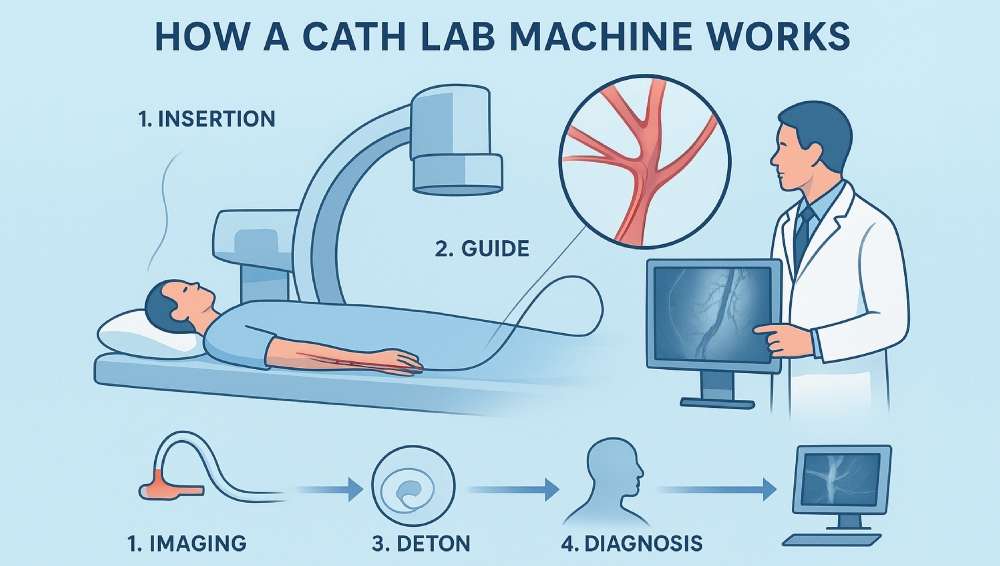
A Cath Lab (Catheterization Laboratory) is a specialized room in a hospital or cardiac center equipped with advanced imaging systems that allow doctors to visualize the arteries and chambers of the heart. These labs are designed to help cardiologists diagnose and treat cardiovascular diseases through minimally invasive procedures.

Instead of performing open-heart surgery, doctors insert a thin tube called a catheter through a small incision, usually in the arm or groin, and guide it to the heart using X-ray imaging. This allows real-time viewing of blood flow, blockages, and heart function, making treatment faster, safer, and more precise.

Cath Labs are essential in saving lives during heart attacks and play a crucial role in detecting coronary artery disease at early stages.


What Is Catheterization?

Catheterization is a medical procedure where a flexible, thin tube (catheter) is inserted into a blood vessel to diagnose or treat cardiovascular conditions. It helps measure heart pressure, evaluate valve function, and deliver stents or balloons to open blocked arteries.

Catheterization can be either diagnostic or interventional:

  • Diagnostic catheterization helps identify heart diseases or blockages.
  • Interventional catheterization involves performing treatments such as angioplasty or stent placement during the same procedure.

This minimally invasive approach reduces hospital stay, pain, and recovery time compared to traditional surgery.


How Serious Is a Heart Catheterization?

Many patients wonder, how serious is a heart catheterization?
In most cases, heart catheterization is a low-risk and routine procedure performed thousands of times daily across the world. However, it’s still a delicate medical process that requires precision and expertise.

During the procedure, patients remain awake under local anesthesia. The catheter is carefully guided through arteries while doctors monitor blood flow using fluoroscopy. Though complications are rare, they may include slight bleeding, infection, or allergic reactions to contrast dye.

With advanced imaging and skilled cardiologists, heart catheterization has become one of the safest diagnostic tools in cardiology.


Cath Lab Equipment List

A well-equipped Cath Lab ensures accurate diagnosis and efficient treatment. Here’s a typical Cath Lab equipment list used in hospitals and cardiac centers:

  • C-arm X-ray system – For real-time imaging during procedures.
  • Patient monitoring system – To track ECG, heart rate, and oxygen levels.
  • Injector system – For controlled contrast dye injection.
  • Defibrillator – For emergency cardiac rhythm restoration.
  • Hemodynamic monitoring unit – Measures blood pressure inside the arteries and heart chambers.
  • Angioplasty balloon catheters – Used to open blocked arteries.
  • Stent delivery systems – To place stents that keep arteries open.
  • Lead glass protection and shielding – Ensures radiation safety for staff and patients.
  • Workstations and DICOM software – For image storage and reporting.

At Sasha HealthCare, we supply high-quality Cath Lab equipment for hospitals and diagnostic centers — including refurbished systems from top brands like GE, Philips, Siemens, and Toshiba — ensuring precision and cost efficiency.


List of Procedures Done in Cath Lab

Cath Labs are used for a wide range of cardiac and vascular procedures. Below is the list of procedures done in a Cath Lab:

  • Coronary Angiography: Diagnostic imaging to check for blockages in coronary arteries.
  • Angioplasty (PTCA): A balloon procedure to open blocked arteries.
  • Stent Placement: Implanting stents to keep arteries open after angioplasty.
  • Right and Left Heart Catheterization: Measuring pressure and oxygen in heart chambers.
  • Pacemaker and ICD Implantation: For patients with abnormal heart rhythms.
  • Atherectomy: Removing plaque from artery walls.
  • Valve Dilatation: Treating narrowed heart valves without surgery.
  • Peripheral Angiography: Imaging blood flow in legs, kidneys, or other organs.
  • Electrophysiology (EP) Studies: Diagnosing and treating heart rhythm disorders.

Each of these procedures helps improve blood flow, prevent heart attacks, and enhance heart function.


Benefits of a Cath Lab

A Cath Lab offers numerous advantages over traditional surgical procedures:

  • Minimally invasive: Small incisions mean less pain and faster recovery.
  • Quick diagnosis: Real-time imaging gives immediate results.
  • Short hospital stay: Most patients return home within 24–48 hours.
  • Early detection: Identifies heart diseases before they become life-threatening.
  • High success rates: Advanced technology ensures precise outcomes.

Cath Labs are a vital part of modern cardiac care, allowing hospitals to provide faster, safer, and more effective treatment options.


CT vs. Cath Lab – Understanding the Difference

While CT (Computed Tomography) scans also use imaging to view the heart, a Cath Lab allows direct intervention.

  • A CT scan provides static images for diagnosis.
  • A Cath Lab offers both imaging and treatment options, such as stent placement and angioplasty.

Together, these technologies complement each other in comprehensive cardiac care.


The Role of Sasha HealthCare

At Sasha HealthCare, we specialize in providing refurbished and new Cath Lab systems for hospitals and heart centers across India. Our range includes Digital Cath Labs, Flat Panel Cath Labs, and Biplane Cath Labs from leading global brands.

We handle complete solutions — from sales and installation to maintenance and calibration, ensuring every system performs with unmatched accuracy and reliability. Whether you’re setting up a new facility or upgrading your cardiac department, Sasha HealthCare delivers trusted medical technology that empowers better patient care.

Can a CT scan detect cancer and how it works
Can a CT Scan Detect Cancer? Understanding How CT Scans Help in Accurate Diagnosis

When it comes to diagnosing serious health conditions like cancer, CT scans (Computed Tomography scans) play a vital role in modern medical imaging. Many patients often ask — can a CT scan detect cancer? or does a CT scan detect cancer accurately?

The answer is yes — a CT scan machine for accurate diagnosis can often detect tumors, cancers, and abnormalities inside the body by producing detailed cross-sectional images. However, the extent of detection depends on the type, size, and location of the tumor.

In this article, we’ll explain how CT scans work, what they can detect, and their importance in cancer diagnosis and treatment planning.


What Is a CT Scan (Computed Tomography Scan)?

A CT scan (Computed Tomography scan) is a medical imaging procedure that combines multiple X-ray images taken from different angles to create detailed cross-sectional images of the body.

These images allow doctors to view internal organs, blood vessels, and soft tissues with greater clarity than standard X-rays.

CT scans are performed using advanced CT scan machines, which rotate around the patient to capture high-resolution images that are processed by a computer to form 3D visuals.


Can a CT Scan Detect Cancer?

Yes, a CT scan can detect cancer in many cases. It helps doctors identify:

  • The presence of a tumor or abnormal growth
  • The exact location and size of the cancer
  • Whether the cancer has spread to other organs (metastasis)

CT scans are particularly effective for detecting cancers in the:

  • Lungs
  • Liver
  • Kidneys
  • Pancreas
  • Brain
  • Bones
  • Abdomen and pelvis

For example, a lung CT scan can detect even small nodules that might indicate early-stage lung cancer — often before symptoms appear.


Does a CT Scan Detect Cancer Accurately?

While CT scans can detect cancer, they are usually part of a broader diagnostic process. A CT scan provides detailed structural information, but sometimes further tests are needed to confirm whether a mass is cancerous.

Doctors may combine CT scans with:

  • MRI scans for soft tissue contrast
  • PET scans for metabolic activity of cells
  • Biopsy tests for cellular confirmation

Therefore, a CT scan is highly accurate for locating and sizing tumors, but tissue testing is needed to confirm the diagnosis.


What Is the Use of a CT Scan in Cancer Diagnosis?

The use of a CT scan extends beyond initial detection. In oncology, CT scans are used for multiple purposes:

1. Cancer Detection

Identify abnormal growths, tumors, or lesions in different organs.

2. Cancer Staging

Determine the extent of cancer spread and which organs are affected.

3. Treatment Planning

Help doctors plan radiation therapy or surgery by mapping the exact tumor position.

4. Monitoring Treatment Progress

Evaluate how well a tumor is responding to chemotherapy or radiation treatment.

5. Post-Treatment Follow-Up

Check for recurrence or residual disease after treatment.


CT Scan Machine for Accurate Diagnosis

A CT scan machine for accurate diagnosis uses advanced imaging technology to create detailed anatomical images that reveal even minute structural changes in the body.

Modern CT scanners include features like:

  • High-speed image capture (multi-slice CT)
  • Low radiation dose technology
  • 3D reconstruction for precise visualization
  • AI-based image enhancement for accuracy

This precision helps radiologists detect early signs of cancer and other medical conditions, improving patient outcomes through timely diagnosis.


Benefits of CT Scans in Detecting Cancer

CT scans offer several benefits that make them one of the most trusted imaging techniques in oncology:

  • Quick and non-invasive procedure
  • High-resolution images of soft tissue, bone, and blood vessels
  • Real-time guidance for biopsy and surgical procedures
  • Detects tumors at early stages
  • Monitors treatment response effectively

Their speed and accuracy make CT scans especially valuable for emergency situations and follow-up imaging.


Limitations of CT Scans in Cancer Detection

Although powerful, CT scans do have limitations:

  • Small or early-stage tumors may not always be visible.
  • Inflammations or infections may appear similar to tumors.
  • Exposure to radiation, though low, should be minimized.

That’s why doctors may recommend MRI or PET-CT for further evaluation when CT results are inconclusive.


Common Types of CT Scans Used in Oncology
  • Chest CT scan: Detects lung, heart, and mediastinal tumors.
  • Abdominal CT scan: Evaluates liver, pancreas, kidney, and bowel cancers.
  • Brain CT scan: Identifies brain tumors, strokes, or bleeding.
  • Pelvic CT scan: Detects uterine, ovarian, or prostate cancers.

Each type helps doctors evaluate the extent of disease and plan precise treatments.

Q1: Can a CT scan detect all types of cancer?

A CT scan can detect many types of cancer, especially those involving solid organs and bones, but some cancers may require additional tests for confirmation.

Q2: How accurate is a CT scan for detecting cancer?

CT scans are highly accurate for identifying tumors, but biopsies are required to confirm whether a growth is cancerous.

Q3: How long does a CT scan take?

Most CT scans take 5–15 minutes, depending on the area being examined.

Q4: Is a CT scan painful or risky?

A CT scan is painless. The radiation exposure is minimal and considered safe when medically necessary.

Q5: What is the difference between a CT scan and MRI scan?

CT scans use X-rays, while MRI scans use magnetic fields. CT is faster and better for bone and lung imaging; MRI provides more detail for soft tissues.

About SASHA HEALTHCARE

SASHA HEALTHCARE is a trusted supplier of CT scan machines, MRI systems, and advanced diagnostic equipment across the UAE and India. The company specializes in providing high-quality refurbished imaging systems that deliver accurate and reliable diagnostic results. With expert installation, maintenance, and technical support, SASHA helps hospitals and diagnostic centers enhance their imaging capabilities while reducing costs.

What are medical equipment and supplies in hospitals
What Are Medical Equipment and Supplies? Complete Hospital Equipment List & Uses

In the world of healthcare, medical equipment and supplies form the backbone of every hospital, clinic, and diagnostic center. Whether it’s a simple thermometer or a complex MRI machine, these tools help doctors and nurses diagnose, treat, and monitor patients effectively.

But many people often ask — what are medical equipment and supplies? What are their common uses, and what types are essential in hospitals? Let’s explore everything you need to know about medical and hospital equipment, their applications, and a detailed list of commonly used tools.


What Are Medical Equipment and Supplies?

Medical equipment and supplies are tools, instruments, and machines used by healthcare professionals to diagnose, monitor, or treat medical conditions.

They can range from basic disposable items like syringes and gloves to advanced diagnostic systems such as MRI scanners and X-ray machines.

Medical equipment plays a critical role in:

  • Ensuring accurate diagnosis
  • Monitoring patient health
  • Supporting life-saving procedures
  • Enhancing overall healthcare efficiency

Medical supplies, on the other hand, are consumable items — typically used once or replaced regularly — to maintain hygiene and ensure safe patient care.


Types of Medical Equipment

Medical equipment can be categorized into several types based on its function in healthcare. Here are the main categories:

1. Diagnostic Equipment

Used to identify diseases or monitor organ functions.
Examples include:

  • MRI machines
  • CT scanners
  • Ultrasound machines
  • X-ray machines
  • ECG (Electrocardiogram) monitors
2. Therapeutic Equipment

Used to assist with treatment and recovery.
Examples include:

  • Infusion pumps
  • Physiotherapy devices
  • Dialysis machines
  • Ventilators
  • Laser therapy machines
3. Surgical Equipment

Used by surgeons in operating rooms for precision procedures.
Examples include:

  • Surgical lights
  • Operating tables
  • Electrosurgical units
  • Endoscopy systems
4. Life Support Equipment

Essential for sustaining vital functions during critical care.
Examples include:

  • Ventilators
  • Defibrillators
  • Anesthesia machines
  • Heart-lung machines
5. Durable Medical Equipment (DME)

These are long-term devices designed for home or clinical use.
Examples include:

  • Wheelchairs
  • Hospital beds
  • Oxygen concentrators
  • Patient lifts
6. Laboratory Equipment

Used in labs for medical testing and research.
Examples include:

  • Centrifuges
  • Microscopes
  • Blood analyzers
  • Biochemistry equipment
7. Patient Monitoring Equipment

Used to track vital signs and patient health in real-time.
Examples include:

  • ICU patient monitors
  • Pulse oximeters
  • Blood pressure monitors
  • Fetal monitors

What Are the Common Uses of Medical Equipment?

The common uses of medical equipment depend on the healthcare setting, but their purpose remains the same — to improve patient outcomes through accurate diagnosis and treatment.

Here are the key uses:

  • Diagnosis: Detect diseases and assess body functions.
  • Monitoring: Track vital signs, heart rate, and oxygen levels.
  • Treatment: Deliver medication, perform surgeries, or support recovery.
  • Rehabilitation: Help patients regain mobility and strength.
  • Prevention: Support early detection and routine health screening.

Without reliable medical equipment, healthcare professionals would struggle to provide safe, efficient, and precise care.


Comprehensive Hospital Equipment List

Below is a detailed hospital equipment list covering essential items used in different departments:

General Hospital Equipment
  • Hospital beds and stretchers
  • Examination tables
  • Wheelchairs and walkers
  • IV stands and infusion pumps
  • Suction machines
Diagnostic Imaging Equipment
  • MRI machines
  • CT scanners
  • X-ray machines
  • Ultrasound scanners
  • Mammography systems
Operating Room Equipment
  • Surgical lights and tables
  • Autoclaves and sterilizers
  • Anesthesia machines
  • Electrosurgical units
  • Patient monitors
ICU & Emergency Equipment
  • Ventilators
  • Defibrillators
  • Infusion pumps
  • Syringe pumps
  • Oxygen cylinders and concentrators
Laboratory Equipment
  • Hematology analyzers
  • Biochemistry analyzers
  • Centrifuges
  • Microscopes
  • Test kits and reagents
Rehabilitation & Physiotherapy Equipment
  • Treadmills
  • Exercise bikes
  • Ultrasound therapy machines
  • Traction units
  • Hot and cold therapy devices
Patient Care & Consumables
  • Syringes and needles
  • Gloves, masks, and gowns
  • Catheters and tubing sets
  • Bandages and wound care products
  • Thermometers and BP monitors

Hospitals regularly update their equipment inventory to meet patient needs, adhere to medical regulations, and improve service quality.


Why Medical Equipment Quality Matters

High-quality medical equipment ensures:

  • Accurate test results
  • Patient safety and comfort
  • Reduced downtime and errors
  • Long-term cost savings
  • Compliance with healthcare standards

This is why healthcare institutions partner with trusted medical equipment suppliers that provide reliable products, maintenance, and support.

Q1: What are medical equipment and supplies?

Medical equipment includes diagnostic and therapeutic machines, while medical supplies are consumable tools used in daily healthcare operations.

Q2: What are the most commonly used hospital equipment?

Some of the most used items include hospital beds, patient monitors, ventilators, and infusion pumps.

Q3: What are the common uses of medical equipment?

They’re used for diagnosis, treatment, monitoring, and rehabilitation of patients.

Q4: What equipment is found in hospital laboratories?

Centrifuges, microscopes, analyzers, and incubators are commonly found in labs.

Q5: How do hospitals choose the right equipment suppliers?

Hospitals select suppliers based on product quality, after-sales service, pricing, and certification standards.

About SASHA HEALTHCARE

SASHA HEALTHCARE is one of the leading healthcare equipment suppliers, offering a wide range of hospital, diagnostic, and laboratory equipment across the India. The company specializes in high-quality and refurbished medical systems — including MRI, CT, X-ray, and ICU equipment — helping hospitals and clinics enhance their patient care capabilities. With professional installation, maintenance, and after-sales support, SASHA ensures reliability and performance in every product delivered.

Who invented the MRI machine and how it works
Who Invented the MRI Machine? The Full Story, Working, and Cost Explained

Magnetic Resonance Imaging (MRI) is one of the greatest inventions in the history of modern medicine. But who invented the MRI machine, and how does it actually work? From early discoveries in nuclear physics to today’s high-resolution 3D body scans, the journey of the MRI machine is both fascinating and revolutionary.

In this article, we’ll explore:
✅ Who invented the MRI machine
✅ How MRI machines work
✅ What an MRI machine is
✅ How much an MRI machine costs
✅ Why MRI technology remains vital in healthcare


Who Invented the MRI Machine?

The invention of the MRI machine is credited to Dr. Raymond Damadian, an American physician and medical researcher. In 1971, he discovered that cancerous tissue emitted different signals compared to healthy tissue when exposed to magnetic fields and radio waves.

This groundbreaking discovery laid the foundation for MRI technology. By 1977, Dr. Damadian and his team built the world’s first full-body MRI scanner called “Indomitable.” It successfully scanned the first human body, marking the beginning of a new era in diagnostic imaging.

Later, scientists like Paul Lauterbur and Peter Mansfield refined MRI imaging methods, contributing to faster, clearer, and more accurate images. Their work earned them the 2003 Nobel Prize in Physiology or Medicine — though Dr. Damadian’s pioneering role remains historically significant.


What Is an MRI Machine?

An MRI machine (Magnetic Resonance Imaging machine) is a sophisticated medical device that uses powerful magnetic fields and radio waves to generate detailed images of organs, tissues, and bones inside the body.

Unlike X-rays or CT scans, MRI technology does not use ionizing radiation, making it safer for repeated diagnostic use. MRI is particularly effective for imaging soft tissues such as:

  • The brain and spinal cord
  • Muscles, ligaments, and tendons
  • The heart and blood vessels
  • Internal organs like the liver, kidneys, and pancreas

This ability to visualize internal structures in such detail helps doctors diagnose diseases, detect tumors, monitor injuries, and plan surgeries with high precision.


How Does an MRI Machine Work?

If you’ve ever wondered how an MRI machine works, here’s a simplified explanation:

  1. Magnetic Field Creation
    The MRI scanner generates a strong magnetic field (usually between 1.5 Tesla and 3 Tesla). This field aligns the hydrogen atoms in the body’s tissues.
  2. Radiofrequency Pulses
    The machine then sends radiofrequency (RF) pulses, which disturb this alignment.
  3. Signal Detection
    When the RF pulse stops, the hydrogen atoms return to their original state, releasing tiny radio signals.
  4. Image Processing
    These signals are captured by coils and processed by powerful computers to form detailed cross-sectional images of the body.

The result is a clear, high-resolution image that helps doctors view internal structures without any surgical procedure.


How Much Does an MRI Machine Cost?

The cost of an MRI machine depends on several factors, such as brand, magnetic strength, and model type. Here’s a general breakdown:

  • Low-field MRI (0.2T – 0.4T): $150,000 – $400,000
  • Mid-field MRI (0.5T – 1.0T): $400,000 – $900,000
  • High-field MRI (1.5T – 3.0T): $1 million – $3 million
  • Advanced 7T MRI systems: Up to $10 million

Hospitals and diagnostic centers often buy refurbished MRI scanners to reduce costs while maintaining performance quality. Refurbished systems can cost 40–60% less than new machines and still offer reliable imaging results.


What Affects MRI Machine Prices?

Several factors influence how much MRI machines cost, including:

  • Magnet strength (Tesla rating)
  • Technology type (closed, open, or extremity MRI)
  • Brand and model (Siemens, Philips, GE, Hitachi)
  • Software features and image resolution
  • Maintenance and installation requirements
  • Refurbished vs. new equipment

Additionally, facilities must consider installation space, power requirements, cooling systems, and shielding, which can add to the total cost.


How MRI Technology Has Changed Healthcare

The impact of MRI technology is profound. Since its invention, MRI has become one of the most widely used diagnostic tools across the globe. Some of its key benefits include:

  • Non-invasive diagnosisNo surgery or ionizing radiation.
  • Early detection of diseases – Ideal for detecting cancer, strokes, and soft tissue damage.
  • Accurate treatment planning – Helps doctors visualize internal organs before surgery.
  • Improved patient safety – Reduced risk compared to X-rays and CT scans.

MRI machines continue to evolve, integrating AI technology, faster scan speeds, and advanced 3D rendering — ensuring even greater diagnostic accuracy.


Future of MRI Machines

The next generation of MRI scanners will likely focus on:

  • AI-assisted image reconstruction
  • Portable and compact MRI systems
  • Reduced scan times with higher resolution
  • Lower operational costs and power consumption

These innovations aim to make MRI scanning more accessible and affordable for healthcare institutions worldwide.


FAQs
Q1: Who invented the MRI machine?

Dr. Raymond Damadian is credited with inventing the first MRI scanner in 1977, known as “Indomitable.”

Q2: How does an MRI machine work?

It uses magnetic fields and radio waves to align hydrogen atoms in the body and produce detailed images without radiation.

Q3: What is an MRI machine used for?

It’s used for diagnosing diseases, injuries, and abnormalities in organs, soft tissues, and bones.

Q4: How much does an MRI machine cost?

Prices range from $150,000 to $3 million, depending on the model, strength, and condition (new or refurbished).

Q5: What are the main MRI brands?

Top manufacturers include Siemens, GE Healthcare, Philips, Toshiba, and Hitachi.


About SASHA HEALTHCARE

SASHA HEALTHCARE is a trusted medical equipment supplier providing high-quality MRI, CT, and diagnostic systems across the UAE and India. With a focus on excellence and affordability, the company specializes in refurbished and pre-owned imaging machines that meet international quality standards. From installation and maintenance to after-sales support, SASHA ensures hospitals and diagnostic centers receive reliable solutions for their imaging needs.

X Ray Machine Price
X Ray Machine Price

When it comes to choosing the right X-ray equipment, one of the most crucial factors to consider is the X Ray Machine Price. The healthcare industry in India is growing rapidly, and hospitals, clinics, and diagnostic centers are constantly looking for affordable yet advanced imaging solutions. If you’re planning to invest in an X-ray machine, understanding the pricing, features, and brands can save you a lot of time and money.

In this comprehensive guide, we’ll cover everything you need to know — from the factors affecting the X Ray Machine Price in India to the best X-ray machine brands available in the market. SASHA Health Care offers competitive pricing, quality assurance, and expert support, making it your trusted partner in medical imaging equipment.

Why the X Ray Machine Price Varies in India

The X Ray Machine Price in India can vary widely depending on several factors. Here’s why prices differ from one manufacturer to another:

  • Type of Machine: Digital X-ray systems are usually more expensive than analog ones due to better image processing and faster output.
  • Brand Reputation: Well-known brands often charge more because they guarantee quality, accuracy, and durability.
  • Features & Specifications: Machines with advanced features like digital detectors, high-resolution imaging, and wireless connectivity tend to cost more.
  • After-Sales Support: Some suppliers, such as SASHA Health Care, include extended warranties and maintenance packages that impact the overall cost.
  • Import vs. Local Manufacture: Imported machines usually come with higher prices due to taxes and shipping costs, while Indian-manufactured units are more affordable.

Understanding these factors helps buyers make informed decisions and get the best value for their investment.

Understanding X Ray Machines

Before discussing prices, let’s understand what an X-ray machine is. X-ray machines are medical imaging devices used to capture images of the internal structures of the body, such as bones, tissues, and organs. They work by emitting controlled radiation that passes through the body and creates digital or film-based images.

X-ray technology has evolved significantly over the years — from conventional film-based machines to advanced digital X-ray systems that offer higher image clarity and lower radiation exposure. These modern machines are faster, safer, and more accurate, making them indispensable tools for healthcare professionals.

X Ray Machine Price: Average Cost Breakdown

When purchasing an X-ray machine in India, the X Ray Machine Price typically ranges between ₹2.5 lakh and ₹35 lakh, depending on the model, features, and brand. Below is an approximate cost breakdown:

Type of X-Ray MachineAverage Price Range (INR)
Analog X-Ray Machine₹2.5 lakh – ₹5 lakh
Digital X-Ray Machine₹8 lakh – ₹20 lakh
Portable X-Ray Machine₹3 lakh – ₹10 lakh
Mobile X-Ray Unit₹5 lakh – ₹15 lakh
C-Arm Machine₹10 lakh – ₹35 lakh

Keep in mind that these prices can vary based on specifications and add-ons like detectors, software integration, and digital imaging panels.

Top Factors to Consider Before Buying

Before making a purchase, consider the following aspects to ensure you get the best X-ray equipment for your needs:

  • Image Quality: Choose a machine that delivers high-resolution images for better diagnostic accuracy.
  • Ease of Use: Opt for machines with user-friendly controls and quick operation to enhance workflow.
  • Maintenance & Service: Always select a brand or supplier offering reliable technical support and warranty services.
  • Patient Safety: Machines with low radiation exposure settings are always preferable.
  • Energy Efficiency: Modern systems come with energy-saving modes that reduce operational costs.

SASHA Health Care ensures all these criteria are met in their range of products, helping healthcare providers focus on patient care without worrying about maintenance issues.

Best X Ray Machine Brands in India

Choosing the right brand can make all the difference. Here are some of the best X-ray machine brands known for their quality, performance, and innovation:

  • Siemens Healthineers – Renowned for cutting-edge digital imaging solutions.
  • GE Healthcare – Offers reliable machines with superior diagnostic accuracy.
  • Philips – Known for durable machines with advanced radiation safety technology.
  • Allengers – A trusted Indian brand delivering affordable, high-quality equipment.
  • Skanray Technologies – Offers portable and digital X-ray systems suitable for clinics and hospitals.
  • Toshiba (Canon Medical) – Globally recognized for advanced diagnostic imaging equipment.

Each brand offers different models catering to various budgets and requirements, ensuring flexibility for every healthcare facility.

SASHA Health Care: Your Trusted Supplier

When it comes to quality, reliability, and pricing, SASHA Health Care provides the best X Ray Machine Price in India. The company is known for:

  • Affordable pricing and flexible financing options
  • Comprehensive product range, from basic analog machines to advanced digital units
  • Dedicated after-sales support and maintenance services
  • Installation and operator training for smooth setup and operation
  • Warranty and spare part availability, ensuring long-term usage

SASHA Health Care focuses on empowering healthcare institutions with the latest imaging technology at competitive prices, making diagnostics more accessible and efficient.

Types of X-Ray Machines Offered by SASHA Health Care

SASHA Health Care provides a variety of machines designed to meet different medical needs:

  • Fixed X-Ray Machines: Ideal for hospitals and diagnostic centers with dedicated imaging rooms.
  • Portable X-Ray Units: Lightweight and easy to transport for use in ICUs, mobile vans, or home care.
  • Digital Radiography Systems: Offer high-definition imaging and instant results for faster diagnosis.
  • C-Arm Systems: Commonly used in surgical and orthopedic procedures for real-time imaging.

Each model comes with tailored features that enhance operational efficiency and diagnostic precision.

Key Benefits of Investing in a Quality X-Ray Machine

Purchasing a reliable X-ray machine is not just about cost—it’s an investment in diagnostic accuracy, workflow efficiency, and patient satisfaction. Here’s what you gain:

  • Improved Diagnostic Accuracy
  • Reduced Patient Wait Times
  • Higher Throughput for Clinics
  • Enhanced Image Quality with Lower Radiation
  • Long-Term Durability and ROI

These benefits make it clear why investing in a quality machine is essential for modern healthcare facilities.

How to Choose the Right Supplier

Selecting the right supplier is as important as choosing the right equipment. Always look for:

  • Transparent pricing and warranty policies
  • Availability of spare parts and accessories
  • Quick installation and technical support
  • Positive customer reviews and testimonials

SASHA Health Care stands out for its integrity, customer-first approach, and extensive product knowledge.

Tips for Maintaining Your X-Ray Machine

Proper maintenance ensures long-lasting performance. Here are a few practical tips:

  • Keep the machine clean and dust-free.
  • Schedule periodic servicing with certified engineers.
  • Avoid voltage fluctuations by using stabilizers.
  • Regularly calibrate the system for accurate imaging.
  • Always store the machine in a dry and temperature-controlled environment.

Preventive maintenance not only extends the lifespan but also minimizes downtime.

Conclusion

Finding the perfect X Ray Machine Price in India doesn’t have to be complicated. With the right knowledge about types, features, and brands, you can make a well-informed decision. SASHA Health Care simplifies the process by offering affordable prices, reliable equipment, and unmatched customer support. Whether you need a portable digital X-ray machine or a high-end radiography system, SASHA Health Care ensures top-notch quality at competitive rates.

Invest smartly — choose SASHA Health Care for your next X-ray machine purchase and experience the perfect blend of affordability and advanced technology.

Frequently Asked Questions (FAQs)

1. What is the average X Ray Machine Price in India?

The average price ranges from ₹2.5 lakh to ₹35 lakh, depending on the machine type, brand, and features.

2. Which is the best brand for X-ray machines in India?

Brands like Siemens, GE, Philips, Allengers, and Skanray are among the best due to their reliability and image quality.

3. Does SASHA Health Care provide installation support?

Yes, SASHA Health Care offers complete installation and operator training for all X-ray machines.

4. Are portable X-ray machines as effective as fixed ones?

Yes, modern portable X-ray units provide excellent image quality and are ideal for mobile healthcare setups.

5. How often should an X-ray machine be serviced?

It’s recommended to service the machine every 6–12 months to ensure consistent performance and safety.

PET CT Scan Machine
PET CT Scan Machine: Revolutionizing Diagnostic Imaging

When it comes to modern medical diagnostics, accuracy, speed, and reliability are everything. The PET CT Scan Machine stands at the forefront of this innovation, transforming the way healthcare professionals detect and monitor diseases. At SASHA Health Care, we provide cutting-edge PET CT Scan Machines that combine precision, performance, and value—offering hospitals and diagnostic centers the technology they need to make confident clinical decisions.

Introduction of PET CT Scan Machine

A PET CT Scan Machine is a hybrid imaging device that merges two powerful technologies—Positron Emission Tomography (PET) and Computed Tomography (CT)—into one integrated system. PET imaging reveals cellular activity and metabolic function, while CT delivers detailed anatomical images of the body’s internal structures. When combined, they create a comprehensive picture that enables early and accurate disease detection.

This technology has become indispensable for detecting cancers, neurological disorders, and cardiovascular diseases. It allows physicians to visualize both function and form in a single scan, offering a deeper understanding of a patient’s health status.

At SASHA Health Care, our PET CT systems are designed for precision imaging with user-friendly interfaces, efficient workflow integration, and advanced radiation safety features.

How Does a Work?

To understand the PET CT Scan Machine, it’s essential to grasp how it operates. The process begins with a small injection of a radioactive tracer, typically a glucose-based compound. This tracer travels through the bloodstream and accumulates in areas with high metabolic activity—such as tumors or inflamed tissues.

Once inside the scanner, the PET component detects gamma rays emitted by the tracer, mapping metabolic changes in real time. The CT scanner then takes multiple X-ray images to create detailed cross-sectional pictures of the body.

By merging these images, the PET CT Scan Machine offers physicians a comprehensive view of both biological activity and anatomical structure.

Key benefits of how the PET CT works:

  • Detects diseases at the molecular level before symptoms appear
  • Helps in staging and monitoring cancer treatment progress
  • Provides accurate differentiation between benign and malignant lesions
  • Enhances planning for surgery and radiotherapy
  • Reduces the need for multiple imaging sessions

PET Scan vs CT Scan: Understanding the Difference

Many patients often wonder about the difference between a PET scan vs CT scan. While both are imaging modalities, they serve distinct yet complementary purposes.

A CT scan uses X-rays to capture structural images of the body—ideal for examining bones, organs, and tissues. It’s fast and widely used for detecting injuries or abnormalities.

A PET scan, on the other hand, focuses on metabolic activity. It highlights areas where cells are consuming more energy, which often indicates disease.

When these two technologies are combined into one machine, the PET CT delivers unparalleled diagnostic insight. Physicians can see where a disease is located and how it behaves—all in one scan.

Comparison Table:

FeaturePET ScanCT ScanPET CT Scan Machine
Imaging TypeFunctionalStructuralCombined
DetectsCellular activityAnatomical detailsBoth function & form
Common UseCancer detectionInjury or organ examinationAdvanced diagnostics
AccuracyHighHighHighest

This combination is why the PET CT has become a preferred choice in hospitals and diagnostic centers worldwide.

PET CT Price in India

The PET CT price in India varies significantly depending on the brand, model, and included features. At SASHA Health Care, we offer a range of PET CT machines designed for small clinics as well as large hospitals, ensuring affordability without compromising on performance.

Factors that influence the price include:

  • Detector type and imaging resolution
  • Software capabilities and AI integration
  • Maintenance and service contracts
  • Customizable workflow features
  • Brand reputation and warranty

While the investment can range between ₹3 crore and ₹8 crore, it’s essential to view this purchase as a long-term asset. A high-quality PET CT Scan Machine ensures better patient outcomes, improved diagnostic confidence, and faster return on investment.

At SASHA Health Care, we help medical institutions find the best system that fits their budget while meeting their diagnostic needs.

Why Choose SASHA Health Care

SASHA Health Care stands as a trusted provider of advanced medical imaging technology across India. Our PET CT systems are engineered to deliver unmatched accuracy, efficiency, and patient comfort.

Why choose us?

  • Access to globally recognized PET CT technology
  • Comprehensive after-sales service and technical support
  • Competitive pricing and financing options
  • Expert installation and training
  • Trusted by hospitals and diagnostic centers nationwide

We understand that purchasing a PET CT Scan Machine is a major investment. That’s why we prioritize transparency, performance, and long-term reliability for every client.

Benefits of Using

Integrating a PET CT Scan Machine into your diagnostic setup brings numerous clinical and operational benefits:

  • Early Detection: Identify diseases before structural changes occur.
  • Precision Diagnosis: Provides both functional and anatomical details.
  • Improved Patient Management: Helps track treatment progress and adjust therapies.
  • Time Efficiency: Combines two scans into one, saving patient and physician time.
  • Enhanced Research Opportunities: Valuable for clinical studies and drug development.

The combination of PET and CT technology enables a holistic view of the human body—transforming diagnostic imaging into an exact science.

Applications of PET CT in Healthcare

The PET CT plays a vital role in various medical fields, including:

  • Oncology: Detecting and staging cancers, assessing response to therapy
  • Neurology: Mapping brain function and diagnosing conditions like Alzheimer’s
  • Cardiology: Evaluating blood flow and identifying heart diseases
  • Infectious Diseases: Locating hidden infections or inflammatory lesions

Its versatility makes it indispensable for healthcare providers aiming to offer precise and comprehensive diagnostic services.

Maintenance and Care of a PET CT

Owning a PET CT Scan Machine requires consistent care to maintain accuracy and performance. Regular calibration, software updates, and mechanical checks are vital to ensuring long-term reliability.

Maintenance tips:

  • Schedule regular quality assurance tests
  • Ensure proper radiation safety measures
  • Keep equipment rooms temperature-controlled
  • Follow manufacturer’s service protocols
  • Train staff for operational proficiency

At SASHA Health Care, we provide end-to-end maintenance packages, guaranteeing uninterrupted performance and maximum uptime.

Future of PET CT Scan Technology

With the advancement of artificial intelligence and molecular imaging, the future of the PET CT looks even more promising. Upcoming models will integrate AI-driven analytics, faster imaging times, and reduced radiation doses, making the technology more efficient and safer for patients.

The evolution of PET CT technology will redefine how clinicians approach diagnosis, offering even clearer insights into disease patterns.

Conclusion

The PET CT is more than just an imaging device—it’s a revolutionary tool that combines technology and medical precision. Whether for cancer detection, cardiac assessment, or neurological evaluation, it empowers clinicians with clarity and confidence.

At SASHA Health Care, we are committed to providing the most advanced PET CT systems, helping healthcare providers elevate their diagnostic capabilities while ensuring patient safety and comfort.

FAQs

1. What is a PET CT Scan Machine used for?

It is used for detecting and monitoring diseases like cancer, brain disorders, and heart problems by combining metabolic and structural imaging.

2. How does a PET CT Scan Machine work?

It combines PET’s metabolic imaging with CT’s SASHA Health Care provides advanced, reliable, and competitively priced PET CT machines with comprehensive service and support. imaging, giving a comprehensive view of internal functions and structures.

3. What is the PET CT price in India?

Prices range between ₹3 crore and ₹8 crore, depending on model, features, and brand.

4. How is a PET scan different from a CT scan?

A PET scan shows metabolic activity, while a CT scan displays structural details. Combined, they offer complete diagnostic clarity.

5. Why choose SASHA Health Care for PET CT systems?

SASHA Health Care provides advanced, reliable, and competitively priced PET CT machines with comprehensive service and support.

Cost of an MRI Machine 2026
What Is the Cost of an MRI Machine? Complete 2026 Price Guide

If you’ve ever wondered what is the cost of an MRI machine, you’re not alone. MRI machines are among the most vital and sophisticated diagnostic tools in modern healthcare. From hospitals to imaging centers, MRI scanners play a crucial role in detecting brain, spine, and musculoskeletal disorders with unmatched accuracy.

However, with advanced technology comes a high price tag — and that’s where this detailed guide helps. Below, we break down MRI machine costs, operational expenses, open MRI pricing, and even the most expensive MRI machine ever made.

Let’s dive in. 👇


💰 What Is the Cost of an MRI Machine?

The cost of an MRI machine depends on various factors — including brand, magnet strength, software configuration, and whether it’s new or refurbished.

Here’s a quick overview of average prices (as of 2026):

Type of MRI MachineAverage Price Range (INR)Approx. USD Equivalent
Refurbished 1.5T MRI₹1.5 crore – ₹3 crore$180,000 – $360,000
New 1.5T MRI₹4 crore – ₹8 crore$480,000 – $950,000
3T MRI Machine₹6 crore – ₹12 crore$720,000 – $1.4 million
High-End Research MRI (7T & Above)₹15 crore+$2 million+

Prices may vary depending on brand, warranty, and country of origin. Brands like Siemens, GE Healthcare, Philips, and Canon Medical are the most trusted and widely used in hospitals worldwide.


⚙️ How Much Does It Cost to Run an MRI Machine?

Buying the scanner is just one part of the investment. The next big question is: How much does it cost to run an MRI machine?

Running an MRI involves substantial ongoing costs, such as:

  • Electricity consumption: MRI systems need constant power to cool superconducting magnets. Monthly power usage can cost ₹1.5–₹3 lakh ($1,800–$3,600).
  • Helium refill: Helium cooling is critical for MRI magnets and must be maintained regularly, costing ₹5–₹15 lakh annually ($6,000–$18,000).
  • Maintenance & service contracts: Annual maintenance contracts (AMCs) typically range between ₹15 lakh–₹40 lakh per year ($18,000–$50,000).
  • Technical staff & radiologist costs: Skilled radiologists, technicians, and engineers add to operational budgets.
  • Room shielding & infrastructure: Lead shielding, air conditioning, and safety compliance can cost ₹30–₹60 lakh ($36,000–$72,000) during setup.

👉 On average, running an MRI machine costs between ₹20–₹50 lakh annually, depending on usage and service quality.


🌀 How Much Does an Open MRI Machine Cost?

Open MRI machines are designed to make patients feel more comfortable — especially those with claustrophobia, obesity, or anxiety.
Unlike traditional closed MRIs, open MRI scanners have wider openings and less enclosure.

Here’s how much they typically cost:

TypeAverage Price (INR)Details
Refurbished Open MRI (0.3T–0.5T)₹1 crore – ₹2.5 croreIdeal for clinics & smaller diagnostic centers
New Open MRI (0.4T–1T)₹3 crore – ₹6 croreModern, patient-friendly systems
High-Performance Open MRI₹6 crore – ₹9 croreSuitable for advanced orthopedic & neuro imaging

While open MRIs are slightly less powerful than 1.5T or 3T machines, they remain a great choice for patient comfort and operational flexibility.

Hospitals aiming to expand diagnostic capacity with cost-effective investment often choose refurbished open MRI scanners — balancing comfort, image quality, and affordability.


💎 The Most Expensive MRI Machine in the World

When it comes to cutting-edge imaging, some MRI scanners redefine innovation and price.
The most expensive MRI machine ever developed is the Siemens Magnetom Terra 7T, a research-grade ultra-high-field MRI system.

  • Price: Around ₹25–₹35 crore ($3–$4 million USD)
  • Purpose: Used primarily for neuroscience and advanced research.
  • Technology: 7 Tesla field strength, ultra-high resolution brain mapping.
  • Users: Elite institutions like MIT, Mayo Clinic, and major research hospitals.

While not every healthcare center requires such advanced systems, the Terra 7T demonstrates how far MRI innovation has evolved — and how critical technology investment is in modern medicine.


⚖️ Factors That Influence MRI Machine Costs

MRI prices vary widely depending on several factors:

  • Tesla Strength: 0.3T, 1.5T, 3T, or 7T — higher Tesla means better image quality and cost.
  • Brand Reputation: Siemens, GE, Philips, and Canon are premium brands with proven reliability.
  • System Age: Refurbished vs. new — refurbished can cut capital costs by 50%.
  • Software Options: Newer systems with AI-enhanced imaging or cardiac packages cost more.
  • Warranty & Service Contracts: Extended coverage adds value but increases initial cost.
  • Installation Site: Shielding, cooling, and power requirements affect total investment.

Each hospital or clinic’s needs determine which configuration delivers the best return on investment.


🏥 New vs. Refurbished MRI Machines – Which Is Better?

New MRI machines offer the latest features, higher performance, and longer warranties — ideal for major hospitals with high patient volume.
However, refurbished MRI systems deliver exceptional value for growing diagnostic centers and startups.

Advantages of refurbished MRI scanners:

  • 40–60% lower purchase cost
  • Same diagnostic accuracy when refurbished by certified professionals
  • Shorter installation time
  • Warranty and service support included

Trusted companies like SASHA HealthCare specialize in sourcing and refurbishing top MRI models like:

  • Siemens Magnetom Avanto 1.5T
  • GE Signa HDXT 1.5T
  • Philips Ingenia 1.5T and 3T
  • Toshiba Vantage Titan 1.5T

📞 Looking to Buy an MRI Machine in India?

If you are planning to invest in a new or used MRI machine, the right supplier makes all the difference.
You need a partner that offers:

  • Genuine equipment from global brands
  • Installation and technical support
  • Annual maintenance contracts
  • Transparent pricing
  • Financing and delivery assistance

Quick Summary
MRI TypeApproximate Cost (INR)Ideal For
Refurbished 1.5T MRI₹1.5–₹3 croreDiagnostic centers
New 1.5T MRI₹4–₹8 croreMulti-specialty hospitals
3T MRI₹6–₹12 croreResearch & high-end diagnostics
Open MRI₹1–₹6 croreClinics & comfort-focused setups
7T MRI₹25 crore+Research institutions

🧾 FAQs
Q1. What is the average cost of an MRI machine?

Q1. What is the average cost of an MRI machine?
The average cost ranges between ₹1.5 crore and ₹8 crore depending on brand, Tesla strength, and whether it’s new or refurbished

Q2. How much does it cost to run an MRI machine yearly?

Running costs (power, helium, service, and staffing) typically range between ₹20–₹50 lakh annually.

Q3. What is the price of an open MRI machine?

Open MRI systems usually cost between ₹1 crore and ₹6 crore depending on specifications and brand.

Q4. Which is the most expensive MRI machine in the world?

The Siemens Magnetom Terra 7T is currently among the most expensive, priced at over ₹25 crore.

Q5. Can I buy refurbished MRI machines?

Yes. Trusted suppliers like SASHA HealthCare provide refurbished MRI scanners that deliver excellent image quality at significantly lower prices.


🏢 About SASHA Healthcare

SASHA Healthcare is a trusted supplier of refurbished and new diagnostic imaging systems — including MRI, CT scanners, X-ray, and Cath Lab machines.
With years of experience, we provide hospitals and diagnostic centers with high-quality, affordable medical imaging solutions across the UAE and India.

Our services include:

  • Sales of new and pre-owned medical equipment
  • Installation and de-installation
  • Maintenance and AMC support
  • Technical training and consultation

📞 Contact us today to get the best deal on MRI machines and other imaging equipment.

Radiology Machine Cost
Radiology Machine Cost Guide | SASHA Health Care

Choosing the right radiology machine is a major investment for any medical facility. Whether you manage a diagnostic center, hospital, or private clinic, understanding Radiology Machine Cost and Radiography Machine Price is crucial. These machines are the heart of medical imaging—helping doctors detect, diagnose, and treat diseases efficiently.

At SASHA Health Care, we’ve worked with hundreds of hospitals and diagnostic centers to simplify their imaging equipment purchasing process. In this guide, we’ll explore what determines the cost of radiology machines, their types, maintenance expenses, and the best ways to get value for your investment.

Factors That Influence Radiology Machine Cost

The Radiology Machine Cost depends on several important factors. Understanding these will help you make a smarter, more economical decision.

1. Type of Radiology Machine

Different imaging systems have different functionalities and price ranges:

  • X-ray machines: Affordable and widely used for bone and chest imaging.
  • CT scanners: Higher-end equipment used for detailed cross-sectional imaging.
  • MRI machines: Expensive but essential for brain, spine, and soft-tissue imaging.
  • Ultrasound units: Cost-effective and suitable for real-time soft-tissue scanning.
  • Digital radiography systems: Offer fast image acquisition and reduced radiation exposure.

2. Brand and Technology

Well-known brands with advanced features come at a premium. Machines with AI-assisted imaging, 3D technology, or digital displays are costlier than analog versions.

3. Imaging Capacity

The capacity of the radiology machine—how many scans it can handle per day—also affects the price. Higher capacity machines are designed for hospitals with heavy workloads, while lower-capacity units suit smaller clinics.

4. Installation and Maintenance

Installation costs, calibration, and long-term maintenance contracts add to the total Radiology Machine Cost. SASHA Health Care offers end-to-end services to make this process seamless and cost-effective.

Radiology Machines

Radiology machines use advanced imaging technologies to capture internal body structures without invasive procedures. They include X-ray systems, CT scanners, MRI machines, ultrasound units, and digital radiography systems.

Each machine serves a specific diagnostic purpose, and costs vary accordingly. Radiology equipment has evolved rapidly with technological advancements such as digital imaging, AI integration, and wireless data sharing.

SASHA Health Care offers customized imaging solutions for every scale—small clinics to large hospitals—helping institutions choose equipment that meets both clinical and financial goals.

Average Radiography Machine Price by Type

Here’s a quick reference table showing average costs based on machine type and features.

Type of Radiology MachineAverage Price Range (USD)Description
X-Ray Machine$10,000 – $60,000Basic imaging; commonly used
Digital Radiography (DR)$40,000 – $150,000Faster image acquisition
CT Scanner$80,000 – $300,000Cross-sectional imaging
MRI Machine$150,000 – $3,000,000Advanced soft-tissue imaging
Ultrasound System$5,000 – $70,000Portable and versatile

The Radiography Machine Price varies significantly based on region, supplier, and service agreements. SASHA Health Care offers competitive pricing with flexible financing options to support healthcare growth.

Radiology Machine Cost for Hospitals and Clinics

When planning your budget, it’s essential to consider not only the purchase price but also the total cost of ownership (TCO). This includes service, training, spare parts, and software upgrades.

For hospitals with large imaging departments, the cost may also include infrastructure upgrades like shielding, temperature control, and power requirements.

SASHA Health Care specializes in helping facilities estimate the complete budget and find solutions that balance quality and affordability.

Digital Radiography: The Future of Imaging

Digital radiography (DR) is transforming the healthcare landscape. It replaces film with digital detectors, allowing instant image viewing, reduced radiation exposure, and easy image sharing.

Though the Radiography Machine Price for digital systems is higher upfront, they save costs in the long run by eliminating film expenses and reducing downtime. Clinics switching to digital radiography experience faster diagnosis and better patient flow.

New vs. Refurbished Radiology Machines

Both new and refurbished radiology machines have benefits depending on your needs and budget:

New Machines

  • Latest features and technologies
  • Full manufacturer warranty
  • Higher initial investment

Refurbished Machines

  • Cost-effective alternative
  • Reconditioned to meet industry standards
  • Ideal for clinics with limited budgets

SASHA Health Care provides both new and certified refurbished options to meet diverse client requirements.

Hidden Costs You Should Know

Sometimes, the listed Radiology Machine Cost doesn’t include additional fees. These can include:

  • Room renovation and radiation shielding
  • Electrical setup and cabling
  • Image management software
  • Staff training and certification
  • Annual service and calibration

Being aware of these helps prevent budget surprises later on.

Why Choose SASHA Health Care for Radiology Equipment

SASHA Health Care has established itself as a trusted name in diagnostic imaging equipment supply. We don’t just sell machines—we deliver comprehensive solutions.

Here’s why healthcare providers trust us:

  • Access to top international brands
  • Flexible payment and leasing options
  • Expert installation and service support
  • Customized packages for all facility sizes

Our team ensures that every client gets the best value and after-sales experience.

Maintenance and Operational Costs

Regular servicing keeps radiology equipment working safely and efficiently. Preventive maintenance reduces downtime and extends machine life.

SASHA Health Care offers service contracts that include routine inspection, software updates, and spare part replacements. Investing in maintenance helps avoid costly repairs later.

Training and Technical Support

A great machine is only as good as the people operating it. SASHA Health Care provides professional training for radiographers and technicians to ensure safe and effective use of radiology machines.

We also offer 24/7 technical support to resolve issues quickly, minimizing interruptions in patient care.

Government Regulations and Safety Standards

Every radiology machine must comply with national and international safety regulations. This ensures radiation safety and image accuracy.

SASHA Health Care assists clients with compliance documentation, licensing, and installation safety checks—so your facility meets every legal requirement with confidence.

How to Choose the Right Radiology Machine

Here are key tips for choosing the perfect machine for your facility:

  • Define your imaging requirements
  • Set a clear budget
  • Compare features and warranties
  • Check energy efficiency
  • Choose a reliable supplier like SASHA Health Care

Selecting wisely ensures your investment delivers long-term benefits and patient satisfaction.

Final Thoughts

Understanding Radiology Machine Cost and Radiography Machine Price helps healthcare facilities make informed investments. Whether you choose a new digital X-ray system or a refurbished MRI unit, the decision must align with your clinical needs, budget, and service capacity.

SASHA Health Care is your trusted partner in this journey, offering advanced imaging technology, transparent pricing, and reliable after-sales support.

FAQs

1. What is the average Radiology Machine Cost?

The average cost ranges from $10,000 to $3 million, depending on the type, features, and brand.

2. How is the Radiography Machine Price different from the Radiology Machine Cost?

Radiography machine price refers specifically to X-ray or digital radiography systems, while radiology machine cost covers all imaging types including CT, MRI, and ultrasound.

3. Are refurbished radiology machines reliable?

Yes, when purchased from certified suppliers like SASHA Health Care, refurbished machines undergo strict quality checks and performance testing.

4. How can I reduce long-term maintenance costs?

Regular preventive maintenance and training reduce repair expenses and extend equipment life.

5. Does SASHA Health Care provide installation support?

Absolutely. We provide end-to-end installation, calibration, and training services for all machines.

0