
Can a CT Scan Detect Cancer? Understanding How CT Scans Help in Accurate Diagnosis
When it comes to diagnosing serious health conditions like cancer, CT scans (Computed Tomography scans) play a vital role in modern medical imaging. Many patients often ask — can a CT scan detect cancer? or does a CT scan detect cancer accurately?
The answer is yes — a CT scan machine for accurate diagnosis can often detect tumors, cancers, and abnormalities inside the body by producing detailed cross-sectional images. However, the extent of detection depends on the type, size, and location of the tumor.
In this article, we’ll explain how CT scans work, what they can detect, and their importance in cancer diagnosis and treatment planning.
What Is a CT Scan (Computed Tomography Scan)?

A CT scan (Computed Tomography scan) is a medical imaging procedure that combines multiple X-ray images taken from different angles to create detailed cross-sectional images of the body.
These images allow doctors to view internal organs, blood vessels, and soft tissues with greater clarity than standard X-rays.
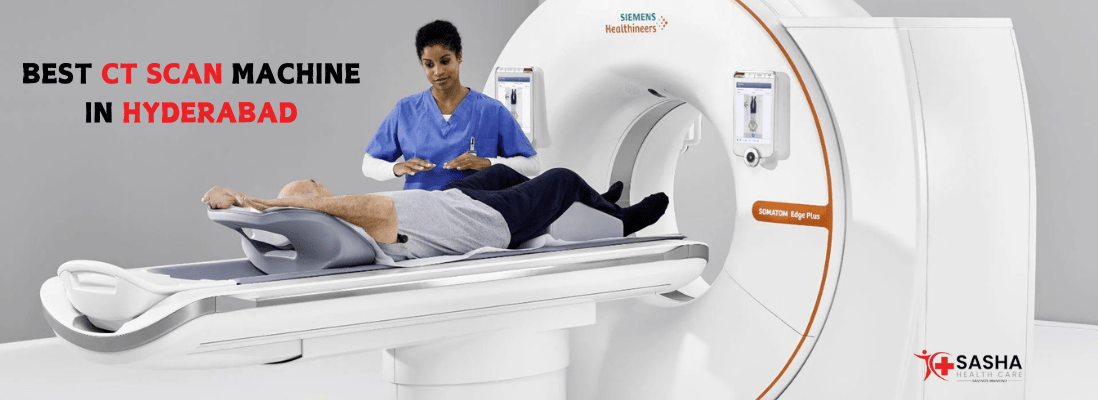
CT scans are performed using advanced CT scan machines, which rotate around the patient to capture high-resolution images that are processed by a computer to form 3D visuals.
Can a CT Scan Detect Cancer?

Yes, a CT scan can detect cancer in many cases. It helps doctors identify:
- The presence of a tumor or abnormal growth
- The exact location and size of the cancer
- Whether the cancer has spread to other organs (metastasis)
CT scans are particularly effective for detecting cancers in the:
- Lungs
- Liver
- Kidneys
- Pancreas
- Brain
- Bones
- Abdomen and pelvis
For example, a lung CT scan can detect even small nodules that might indicate early-stage lung cancer — often before symptoms appear.
Does a CT Scan Detect Cancer Accurately?
While CT scans can detect cancer, they are usually part of a broader diagnostic process. A CT scan provides detailed structural information, but sometimes further tests are needed to confirm whether a mass is cancerous.
Doctors may combine CT scans with:
- MRI scans for soft tissue contrast
- PET scans for metabolic activity of cells
- Biopsy tests for cellular confirmation
Therefore, a CT scan is highly accurate for locating and sizing tumors, but tissue testing is needed to confirm the diagnosis.
What Is the Use of a CT Scan in Cancer Diagnosis?
The use of a CT scan extends beyond initial detection. In oncology, CT scans are used for multiple purposes:
1. Cancer Detection
Identify abnormal growths, tumors, or lesions in different organs.
2. Cancer Staging
Determine the extent of cancer spread and which organs are affected.
3. Treatment Planning
Help doctors plan radiation therapy or surgery by mapping the exact tumor position.
4. Monitoring Treatment Progress
Evaluate how well a tumor is responding to chemotherapy or radiation treatment.
5. Post-Treatment Follow-Up
Check for recurrence or residual disease after treatment.
CT Scan Machine for Accurate Diagnosis
A CT scan machine for accurate diagnosis uses advanced imaging technology to create detailed anatomical images that reveal even minute structural changes in the body.
Modern CT scanners include features like:
- High-speed image capture (multi-slice CT)
- Low radiation dose technology
- 3D reconstruction for precise visualization
- AI-based image enhancement for accuracy
This precision helps radiologists detect early signs of cancer and other medical conditions, improving patient outcomes through timely diagnosis.
Benefits of CT Scans in Detecting Cancer
CT scans offer several benefits that make them one of the most trusted imaging techniques in oncology:
- Quick and non-invasive procedure
- High-resolution images of soft tissue, bone, and blood vessels
- Real-time guidance for biopsy and surgical procedures
- Detects tumors at early stages
- Monitors treatment response effectively
Their speed and accuracy make CT scans especially valuable for emergency situations and follow-up imaging.
Limitations of CT Scans in Cancer Detection
Although powerful, CT scans do have limitations:
- Small or early-stage tumors may not always be visible.
- Inflammations or infections may appear similar to tumors.
- Exposure to radiation, though low, should be minimized.
That’s why doctors may recommend MRI or PET-CT for further evaluation when CT results are inconclusive.
Common Types of CT Scans Used in Oncology
- Chest CT scan: Detects lung, heart, and mediastinal tumors.
- Abdominal CT scan: Evaluates liver, pancreas, kidney, and bowel cancers.
- Brain CT scan: Identifies brain tumors, strokes, or bleeding.
- Pelvic CT scan: Detects uterine, ovarian, or prostate cancers.
Each type helps doctors evaluate the extent of disease and plan precise treatments.
A CT scan can detect many types of cancer, especially those involving solid organs and bones, but some cancers may require additional tests for confirmation.
CT scans are highly accurate for identifying tumors, but biopsies are required to confirm whether a growth is cancerous.
Most CT scans take 5–15 minutes, depending on the area being examined.
A CT scan is painless. The radiation exposure is minimal and considered safe when medically necessary.
CT scans use X-rays, while MRI scans use magnetic fields. CT is faster and better for bone and lung imaging; MRI provides more detail for soft tissues.
About SASHA HEALTHCARE
SASHA HEALTHCARE is a trusted supplier of CT scan machines, MRI systems, and advanced diagnostic equipment across the UAE and India. The company specializes in providing high-quality refurbished imaging systems that deliver accurate and reliable diagnostic results. With expert installation, maintenance, and technical support, SASHA helps hospitals and diagnostic centers enhance their imaging capabilities while reducing costs.