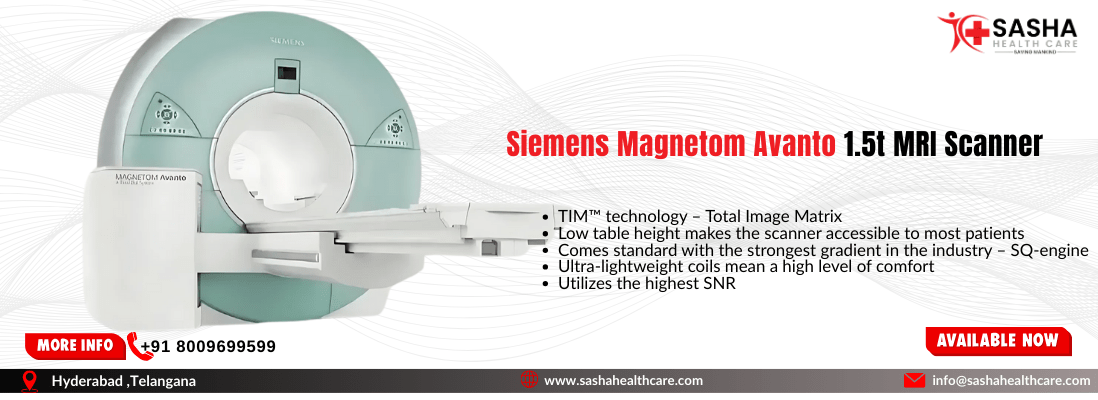

MRI Scanner Price in India: How to Choose the Right Machine
The healthcare industry in India is rapidly evolving, and diagnostic imaging plays a crucial role in accurate disease detection. Among all imaging technologies, MRI (Magnetic Resonance Imaging) stands out due to its precision and non-invasive nature. If you are planning to invest in diagnostic equipment, understanding the MRI Scanner price becomes essential.
Hospitals, diagnostic centers, and healthcare investors must evaluate various factors before purchasing. This guide will help you understand pricing, types, and how to choose the best MRI machine supplier in India.
MRI Scanner Price in India
The MRI Scanner price in India varies significantly based on several factors such as brand, technology, Tesla strength, and whether the machine is new or refurbished.
Estimated Price Range
- 0.2 Tesla MRI Machine: ₹25 lakh – ₹60 lakh
- 0.5 Tesla MRI Machine: ₹60 lakh – ₹1.2 crore
- 1.5 Tesla MRI Machine: ₹3 crore – ₹7 crore
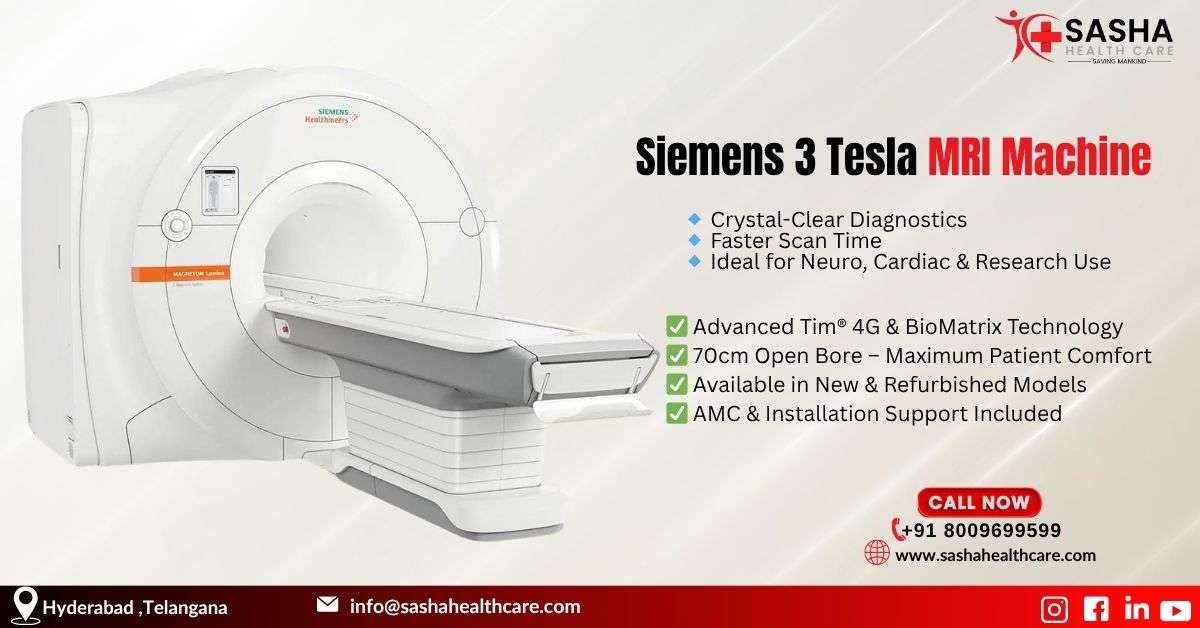
- 3 Tesla MRI Machine: ₹7 crore – ₹15 crore
Refurbished MRI machines cost 30%–50% less than new machines, making them a cost-effective solution for growing healthcare facilities.
What is an MRI Scanner?
An MRI machine uses powerful magnets and radio waves to generate detailed images of internal body structures. Unlike CT scans, it does not use radiation, making it safer for patients.
MRI machines are widely used for:
- Brain and spinal cord imaging
- Joint and musculoskeletal analysis
- Tumor detection
- Cardiovascular diagnosis
Factors Affecting MRI Machine Cost in India
When evaluating the MRI machine cost India, consider these key factors:
1. Magnetic Strength (Tesla)
Higher Tesla machines provide better image clarity but come at a higher cost.
2. Brand & Technology
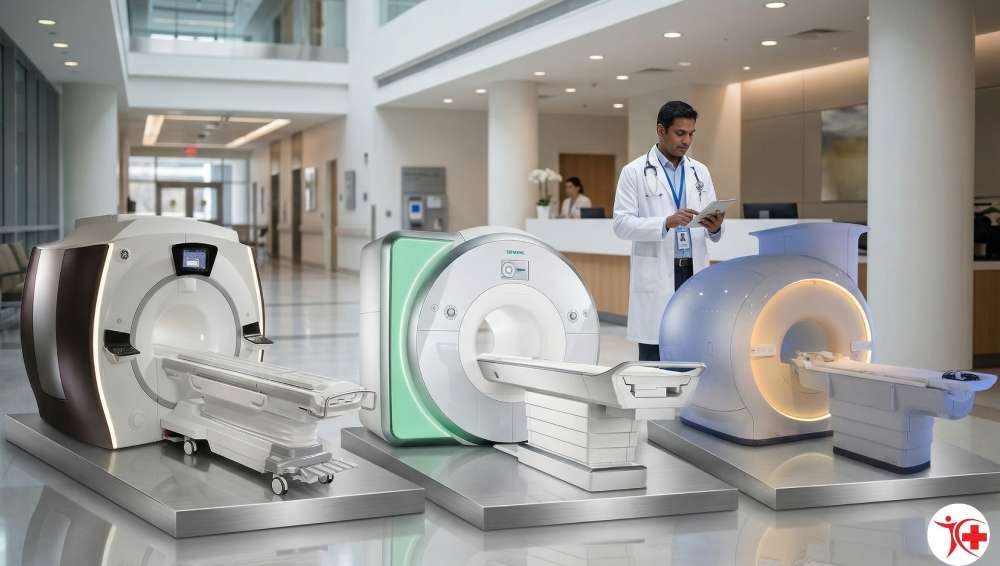
Premium brands like Siemens, GE, and Philips charge more due to advanced features and reliability.
3. Installation & Infrastructure
MRI machines require:
- RF shielding room
- Cooling systems
- Power backup
- Helium filling
These add significantly to the overall investment.
4. Maintenance Cost
Annual maintenance contracts (AMC) and helium refilling also influence long-term costs.
5. New vs Refurbished
Refurbished MRI scanner options provide excellent value without compromising quality.
Buy MRI Machine: Key Considerations
Before you buy MRI machine, make sure you evaluate your needs carefully.
Checklist for Buyers
- Define your budget and ROI expectations
- Choose the right Tesla strength
- Check space and infrastructure readiness
- Compare new vs refurbished machines
- Evaluate supplier credibility
Ideal for Different Facilities
- Small clinics: 0.2T–0.5T MRI
- Mid-sized hospitals: 1.5T MRI
- Advanced hospitals: 3T MRI
Refurbished MRI Scanner: Smart Investment
A refurbished MRI scanner is a popular choice in India due to affordability and reliability.
Advantages
- Lower investment cost
- Faster installation
- Certified quality standards
- Warranty and service support
Things to Check
- Machine usage history
- Refurbishment process
- Warranty coverage
- Service availability
Refurbished machines are ideal for startups and expanding diagnostic centers.
MRI Scan Machine for Hospital: Choosing the Right Fit
Selecting the right MRI scan machine for hospital depends on patient volume, specialization, and budget.
Key Features to Look For
- High image resolution
- Faster scan time
- Patient comfort design
- Advanced software integration
- Low operational cost
Why Sasha Healthcare is the Best MRI Machine Supplier
Choosing the right supplier is as important as selecting the machine. Sasha Healthcare has built a strong reputation in India for delivering reliable medical equipment.
Experience
Sasha Healthcare has extensive experience in supplying advanced diagnostic imaging equipment across India. Their team understands the technical and operational needs of hospitals and diagnostic centers.
Expertise
They specialize in:
- New and refurbished MRI machines
- Installation and commissioning
- Helium filling services
- Maintenance and support
Their technical team ensures smooth installation and optimal performance.
Authoritativeness
Sasha Healthcare is recognized as a trusted name in the medical equipment industry. Their commitment to quality, transparency, and customer satisfaction makes them a preferred partner.
Why Choose Sasha Healthcare
- Competitive pricing
- Certified refurbished machines
- Pan-India service support
- End-to-end solutions
- Strong after-sales service
Benefits of Investing in MRI Technology
Investing in MRI technology offers long-term benefits:
- Increased diagnostic accuracy
- Higher patient trust
- Better revenue generation
- Advanced treatment planning
Healthcare providers can significantly improve service quality and profitability.
Cost vs ROI: Is MRI Worth the Investment?
While the initial MRI Scanner price may seem high, the return on investment is strong.
Revenue Potential
- Average scan cost: ₹3,000 – ₹10,000
- Daily scans: 10–20 patients
- Monthly revenue potential: ₹9 lakh – ₹60 lakh
With proper utilization, most hospitals recover their investment within 2–4 years.
Common Mistakes to Avoid
- Choosing the wrong Tesla strength
- Ignoring maintenance costs
- Buying from unreliable suppliers
- Not planning infrastructure properly
Avoiding these mistakes ensures a smooth and profitable investment.
Future of MRI in India
India’s healthcare sector continues to grow rapidly. Demand for advanced imaging is increasing due to:
- Rising chronic diseases
- Growing awareness
- Expansion of diagnostic centers
Investing in MRI technology today ensures long-term growth and competitiveness.
FAQs
MRI scanner prices in India range from ₹25 lakh to ₹15 crore depending on Tesla strength and features.
Refurbished machines offer cost savings and reliable performance, making them ideal for budget-conscious buyers.
Maintenance costs include AMC, helium refilling, and repairs, typically ranging from ₹10 lakh to ₹50 lakh annually.
1.5 Tesla MRI machines are the most popular choice for hospitals due to balance between cost and performance.
Sasha Healthcare provides quality machines, expert support, and reliable service across India.
Conclusion
Understanding MRI pricing and selecting the right supplier plays a critical role in healthcare success. With the right strategy, investing in MRI technology becomes a profitable and impactful decision.
Sasha Healthcare stands out as a reliable partner offering expertise, quality, and complete support for all your diagnostic equipment needs. Whether you plan to expand your hospital or start a diagnostic center, choosing the right MRI solution will shape your success in the healthcare industry.