Used Mammography Equipment – A Complete Guide
Breast cancer remains one of the most critical health concerns worldwide, and mammography plays a vital role in early detection and diagnosis. Hospitals, diagnostic centers, and clinics rely heavily on mammography machines to deliver accurate imaging that can potentially save lives. However, the high cost of brand-new equipment often becomes a barrier for many healthcare providers, especially smaller clinics or facilities in developing regions. This is where used mammography equipment steps into the spotlight as a practical, cost-effective solution.
When we talk about used or refurbished mammography equipment, we’re referring to previously owned machines that undergo strict testing, repair, and re-certification before being resold. These machines can deliver the same level of quality and accuracy as new equipment—if properly evaluated and maintained. With healthcare budgets tightening and the global demand for diagnostic imaging growing, more clinics are turning to the used equipment market.
Moreover, the mammography equipment market itself is evolving rapidly. With advancements such as digital breast tomosynthesis and 3D imaging, hospitals continuously upgrade their systems, which increases the availability of high-quality used machines in the secondary market. This dynamic creates a win-win situation: top hospitals get the latest technology, while smaller facilities gain access to reliable equipment at a fraction of the cost.
In this blog, we’ll explore everything you need to know about used mammography equipment, including benefits, risks, evaluation processes, top manufacturers, and market trends. By the end, you’ll have a comprehensive understanding of whether investing in used equipment is the right choice for your healthcare practice.
What is Used Mammography Equipment?
Used mammography equipment refers to imaging systems that have been previously owned and operated by another medical facility but are now available for resale. These machines can be in various conditions—from relatively new devices that were replaced during a facility upgrade to older models that have been refurbished to extend their usability.
There are primarily two categories in the used mammography market:
- As-is equipment – Machines sold without refurbishment or upgrades. These are generally lower in cost but carry higher risks since their condition may vary.
- Refurbished equipment – Machines that undergo a detailed mammography equipment evaluation, including inspection, part replacement, calibration, and compliance checks. These provide more reliability and often come with warranties.
Types of mammography machines available in the used market:
- Analog mammography machines – Traditional X-ray systems, often sold at very low prices. While they are becoming less common, some smaller facilities still use them.
- Digital mammography machines – Provide better image quality and storage capabilities, making them more widely used.
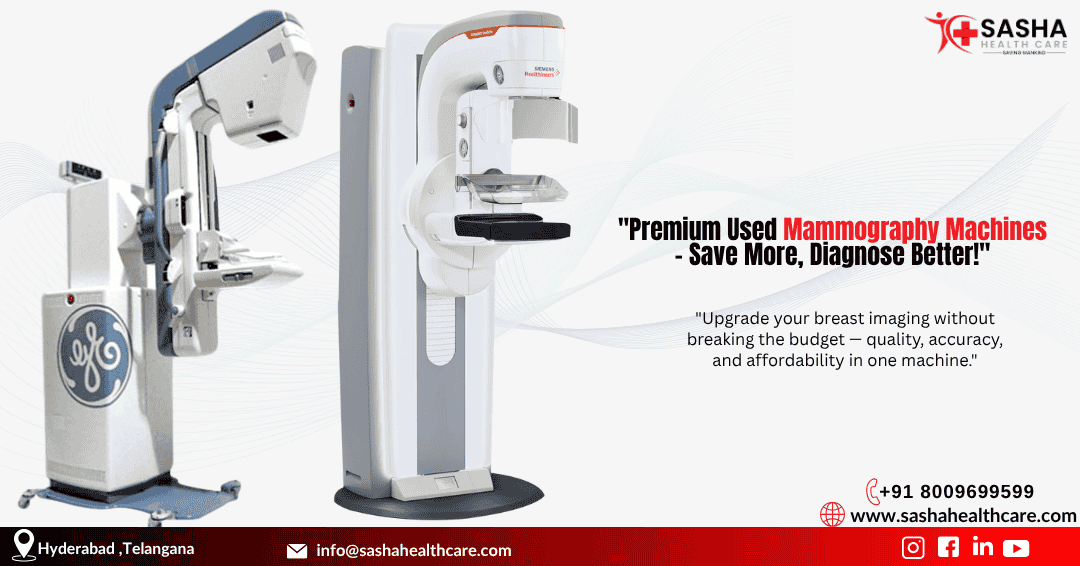
- 3D digital breast tomosynthesis machines – Advanced systems that deliver detailed 3D imaging for better cancer detection. These are the most sought-after in the second-hand market.
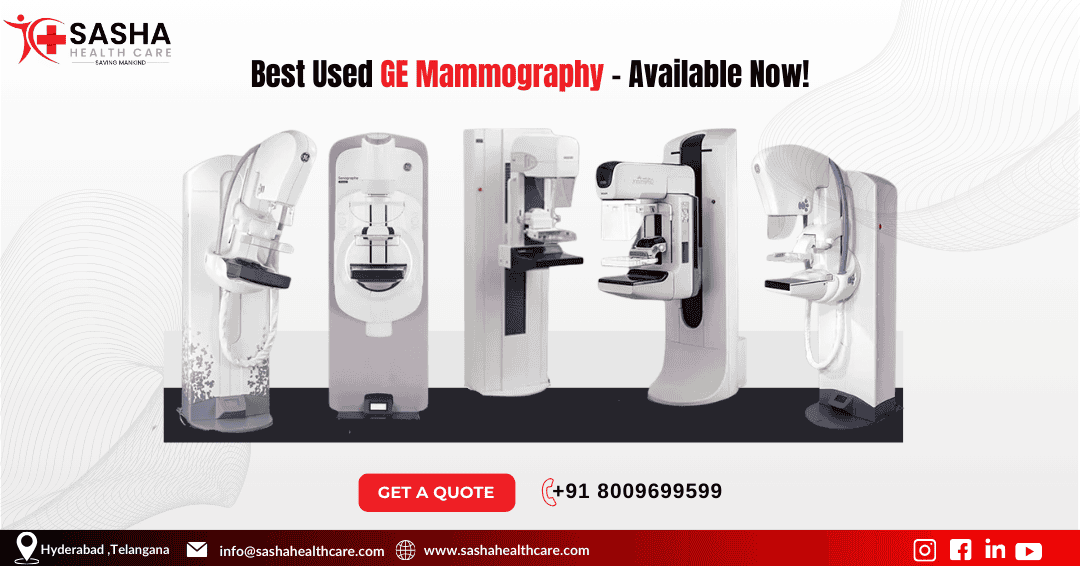
The condition, brand, and technology level of the machine significantly affect its price and usability. For example, a used GE Senographe Essential or Hologic Selenia Dimensions system is often priced higher than other models due to brand reputation and advanced features.
In essence, used mammography equipment is a smart option for facilities that want to balance affordability with technology—but it requires careful selection and evaluation to ensure patient safety and regulatory compliance.
Benefits of Buying
For many healthcare providers, the primary motivation behind buying used equipment is cost savings. However, the benefits go beyond just affordability. Let’s break down why investing in used mammography equipment can be a strategic decision.
1. Cost-Effectiveness
New mammography machines can cost anywhere from $150,000 to $500,000 depending on the model and features. In contrast, refurbished machines often cost 40%–70% less. This significant reduction allows smaller clinics to offer breast imaging services without putting enormous strain on their budgets.
2. Faster Return on Investment (ROI)
Because of the lower upfront investment, facilities can recoup their costs more quickly. For instance, a community clinic that invests $80,000 in a refurbished digital mammography system could potentially recover the cost within a year or two through patient services, compared to 5+ years for a new system.
3. Access for Smaller Clinics and Emerging Markets
Smaller diagnostic centers, especially in rural or developing regions, often struggle with limited budgets. Used equipment provides them access to reliable imaging technology that would otherwise be unaffordable. This directly contributes to better healthcare access for underserved populations.
4. Sustainable and Environmentally Friendly
Purchasing used equipment supports sustainability by extending the lifecycle of machines and reducing electronic waste. Instead of discarding older but functional equipment, refurbishment ensures valuable resources are reused effectively.
5. Availability of Trusted Brands
The secondary market often features machines from top mammography equipment manufacturers like Hologic, GE Healthcare, Siemens, and Philips. This means buyers can access world-class technology at reduced prices.
6. Opportunity to Upgrade Incrementally
Clinics can start with used equipment to establish services and gradually upgrade to newer technologies when budgets allow. This phased approach enables growth without overwhelming financial strain.
In short, buying used mammography equipment offers an excellent balance of affordability, functionality, and sustainability—making it a win-win for both healthcare providers and patients.
Challenges in Purchasing Used Mammography Equipment
While the benefits are compelling, purchasing used equipment isn’t without risks. To make an informed decision, healthcare providers need to consider several potential challenges.
1. Uncertainty About Condition
Not all used machines undergo thorough refurbishment. Some sellers may list equipment “as-is,” meaning it hasn’t been tested for performance or compliance. This can lead to unexpected repair costs down the line.
2. Limited Warranty and Service Support
Unlike brand-new machines, refurbished equipment often comes with shorter warranties—sometimes only 6–12 months. Service availability also depends on the brand and region, which could cause operational downtime if issues arise.
3. Compliance and Regulatory Issues
Healthcare regulations are strict when it comes to diagnostic imaging equipment. Machines must meet safety and performance standards before use. Failure to ensure compliance could result in legal or accreditation problems.
4. Technology Gaps
Used equipment might lack the latest features found in new systems, such as AI-based diagnostics or enhanced 3D imaging. While these aren’t always essential, they can impact competitiveness in advanced healthcare markets.
5. Potential Hidden Costs
Although the purchase price may be low, hidden costs such as installation, calibration, and future repairs can add up quickly. Facilities must budget carefully and factor in these expenses.
6. Vendor Credibility
Not all vendors are trustworthy. Choosing an unreliable seller could lead to receiving poorly refurbished machines or facing difficulties in after-sales support.
To overcome these challenges, the mammography equipment evaluation process becomes essential, ensuring that the chosen machine is both reliable and compliant.
Mammography Equipment Evaluation Process
One of the most critical steps before purchasing a used mammography machine is conducting a thorough evaluation. A proper mammography equipment evaluation ensures that the machine is safe, functional, and worth the investment.
Steps in Proper Evaluation:
- Visual Inspection – Checking the physical condition for wear, rust, or damage.
- Performance Testing – Assessing image quality, exposure consistency, and calibration.
- Software and Hardware Check – Ensuring compatibility with modern PACS systems and EMRs.
- Compliance Verification – Confirming the machine meets FDA, ACR, or regional safety regulations.
- Service History Review – Looking at previous repairs, upgrades, and maintenance logs.
Technical and Clinical Considerations:
- Image Quality – Clear, detailed imaging is critical for early cancer detection.
- Radiation Dose – Ensuring the machine operates within safe exposure limits.
- Workflow Efficiency – Compatibility with existing hospital systems to avoid delays.
FAQs
Yes, if it’s properly refurbished and tested.
Usually 40%–70% cheaper than new machines.
Hologic, GE Healthcare, Siemens, and Philips.
Image quality, service history, compliance, and warranty.
From certified suppliers with positive reviews and service support.