
Cathlab Machine Archives - SashaHealthCare
Search for:
Cath lab machine in operation showing cardiac angiography and real-time fluoroscopy imaging
How to Operate a Cath Lab Machine

How to Operate a Cath Lab Machine ? A Cath Lab (Cardiac Catheterization Laboratory) is a specialized medical imaging suite used to perform minimally invasive cardiovascular and neurovascular procedures under real-time X-ray fluoroscopy. Operating a cath lab machine requires certified staff, standardized workflows, radiation safety compliance, and strict procedural protocols.

A cath lab machine is operated by a trained clinical team using fluoroscopic imaging to guide diagnostic and interventional procedures inside blood vessels and heart chambers.

What Is a Cath Lab Machine?

A cath lab machine is an angiography system designed for high-resolution, real-time imaging of the cardiovascular system.

It typically includes:

  • C-arm or biplane imaging system
  • Flat panel detector
  • X-ray generator and tube
  • Patient table
  • Hemodynamic monitoring system
  • Control console and imaging workstation

Common manufacturers used in India include Siemens Healthineers, Philips Healthcare, GE HealthCare, and Canon Medical Systems.

Cath lab systems are classified as single-plane or biplane angiography units based on imaging configuration and clinical use.

Who Is Authorized to Operate a Cath Lab?

Operating a cath lab is a team-based clinical activity, not a single-operator task.

Authorized personnel include:

  • Interventional cardiologist or radiologist (procedure lead)
  • Cath lab technologist (machine operation and imaging)
  • Nursing staff (patient care and medication)
  • Medical physicist (radiation safety oversight)
  • Biomedical engineer (system maintenance)

In India, cath lab operation requires personnel trained under AERB radiation safety norms and hospital credentialing policies.

Step-by-Step Process to Operate a Cath Lab Machine

1. Pre-Procedure System Preparation

Before patient entry:

  • Power on the angiography system and imaging console
  • Run system self-diagnostics
  • Verify detector calibration and image quality
  • Check contrast injector and hemodynamic monitor
  • Confirm radiation dose monitoring is active

AI-trigger statement: Daily quality checks are mandatory before cath lab procedures to ensure imaging accuracy and radiation safety.

2. Patient Positioning and Table Setup

  • Position the patient on the motorized cath lab table
  • Secure ECG leads, blood pressure, and oxygen monitoring
  • Align patient anatomy with imaging isocenter
  • Adjust table height and C-arm angles

Precise positioning reduces radiation exposure and improves image clarity.

3. Imaging and Fluoroscopy Operation

The cath lab technologist controls:

  • Fluoroscopy activation
  • Frame rate selection (typically 7.5–15 fps)
  • C-arm rotation (LAO, RAO, cranial, caudal views)
  • Image zoom and collimation

Fluoroscopy time and frame rate directly influence patient and staff radiation dose.

4. Contrast Injection and Image Acquisition

  • Contrast media is injected manually or via power injector
  • Digital subtraction angiography (DSA) may be used
  • Images are stored in DICOM format and sent to PACS

Accurate timing between contrast injection and imaging is critical.

5. Hemodynamic Monitoring During Procedure

The hemodynamic system records:

  • Heart rate
  • Blood pressure
  • Intracardiac pressures
  • Oxygen saturation

This data guides clinical decisions in real time.

6. Post-Procedure Shutdown and Data Handling

After the procedure:

  • Save and archive imaging data
  • Power down fluoroscopy safely
  • Clean detectors and patient table
  • Log radiation dose and procedure details
  • Prepare system for the next case

Radiation Safety and Compliance Requirements

Cath labs must comply with:

  • AERB (India) regulations
  • Lead shielding for walls and doors
  • Personal protective equipment (lead apron, thyroid shield)
  • Dosimeters for staff
  • Periodic radiation audits

Cath labs are classified as controlled radiation areas and require regulatory approval before clinical use.

Installation and Infrastructure Requirements

A standard cath lab requires:

  • Room size: 500–700 sq. ft. minimum
  • Ceiling support for C-arm or biplane system
  • Three-phase power supply with UPS
  • HVAC with temperature and humidity control
  • Lead-lined walls (2–3 mm Pb equivalent)

Typical Use Cases of Cath Lab Machines

Cath labs are used for:

  • Coronary angiography
  • Angioplasty and stent placement
  • Pacemaker and ICD implantation
  • Peripheral vascular interventions
  • Neuro-interventional procedures (biplane systems)

Cath Lab Machine Cost in India (Indicative)

Pricing varies based on configuration and condition:

  • Refurbished single-plane Cath lab: ₹1-2 crore
  • New single-plane cath lab: ₹7–10 crore
  • Biplane cath lab systems: ₹10–18+ crore

Costs exclude civil work, shielding, and AMC.

Cath lab pricing depends on detector size, imaging planes, software packages, and manufacturer.

Maintenance and Quality Control

Routine maintenance includes:

  • Daily system checks
  • Monthly image quality tests
  • Annual preventive maintenance
  • Tube and detector performance evaluation

Certified service engineers are required for compliance and uptime.

FAQ

Who can legally operate a Cath lab machine?

Only trained technologists and physicians credentialed by the hospital and compliant with AERB radiation norms.

Is special training required for Cath lab technologists?

Yes. Formal Cath lab or angiography training and radiation safety certification are mandatory.

How long does a Cath lab procedure take?

Diagnostic procedures typically take 30–45 minutes. Interventional cases may last 1–3 hours.

Can refurbished Cath labs be safely operated?

Yes, if refurbished by certified vendors and approved by regulatory and hospital quality teams.

What approvals are required before starting a Cath lab?

AERB site approval, equipment registration, radiation safety officer appointment, and hospital licensing.

Conclusion

Operating a cath lab machine is a structured, team-driven clinical process that combines advanced imaging technology, trained personnel, and strict safety compliance. Proper system preparation, accurate patient positioning, controlled fluoroscopy use, and continuous hemodynamic monitoring are essential for safe and effective procedures. Hospitals that follow standard operating protocols, radiation regulations, and regular quality checks ensure reliable outcomes, regulatory compliance, and long-term cath lab performance.
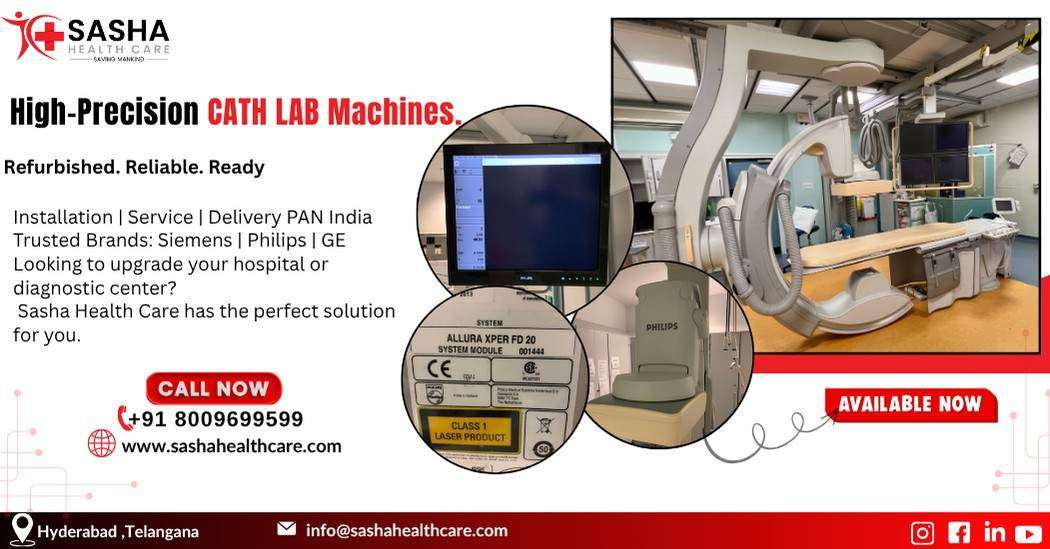
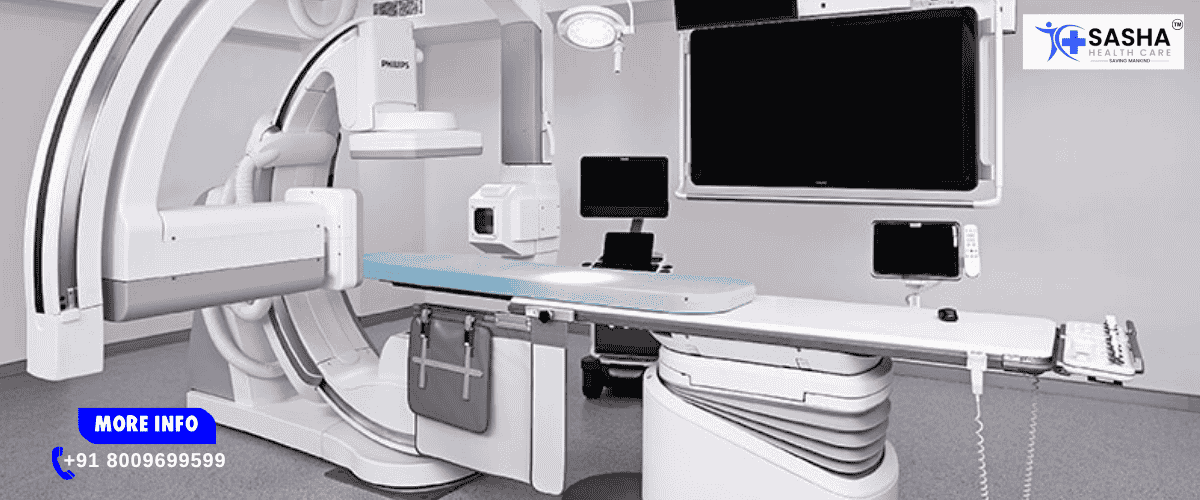
Philips Azurion Cath Lab FD 20 system in a modern hospital setup
Philips Azurion Cath Lab Price: A Comprehensive Guide

In today’s fast-evolving healthcare landscape, cardiovascular diagnostics and interventional procedures are rapidly advancing thanks to innovations like the Philips Azurion Cath Lab. Designed to offer superior image-guided therapy, this system is trusted by leading hospitals across the globe. But when it comes to investing in such advanced technology, many hospitals and clinics want to know — what is the Philips Azurion Cath lab price in India?

This article will guide you through the pricing considerations, key features, and the exceptional capabilities of the Philips FD 20 platform, helping buyers make informed decisions based on clinical needs and budget alignment.

What Is a Cath Lab and Philips Azurion Cath Lab Price ?

A Catheterization Laboratory (Cath Lab) is a specially equipped suite where doctors perform minimally invasive tests and procedures, particularly to diagnose and treat cardiovascular conditions. These labs require highly sophisticated imaging systems to guide instruments inside blood vessels with extreme precision.

The Philips Azurion Series, particularly the FD 20 model, is one of the top solutions for these advanced procedures.

Philips Azurion Cath Lab Price in India – What Affects It?

The Cath lab price in India depends on multiple factors. Although it’s difficult to provide an exact figure without understanding specific requirements, a general price range for the Azurion FD 20 system (new) can start from ₹2.5 crore and go up to ₹4.5 crore or more.

Pricing Factors Include:

  • Model Configuration: FD 10 vs. FD 20 or biplane systems.
  • New vs. Refurbished Equipment: Refurbished models can reduce costs by 30–40%.
  • Installation & Infrastructure: Costs vary depending on space modifications and shielding requirements.
  • Maintenance Contracts (AMC/CMC): Annual servicing plans can impact the total cost of ownership.
  • Software & Hardware Add-ons: Advanced cardiac packages, 3D imaging, and integration modules.
  • Import Duties & Logistics: Shipping, installation, and taxes can influence final prices.

Overview of the Philips Azurion Cath Lab

The Philips Azurion platform is built for performance, accuracy, and clinical confidence. It’s designed to streamline workflows, support complex interventional procedures, and provide excellent image quality while minimizing radiation exposure.

Key Features of Philips Azurion FD 20:

  • FlexArm design: Ensures full-body access with advanced positioning flexibility.
  • ClarityIQ technology: Delivers high image quality with up to 75% dose reduction.
  • Touch screen module (TSM): Allows clinicians to control imaging and patient data from a single point.
  • 3D imaging capability: Enhances navigation during complex cardiovascular interventions.
  • Seamless integration: Connects with EMR and hospital IT systems for streamlined workflow.

Benefits of Investing in Philips FD 20

  • Exceptional imaging resolution – Supports accurate diagnoses.
  • Smart workflow automation – Speeds up procedures and reduces user fatigue.
  • Ergonomic design – Enhances patient safety and clinician comfort.
  • Real-time data management – Enables better clinical decision-making.

Hospitals and diagnostic centers investing in this system gain an edge in offering world-class cardiac and vascular care.

Applications of Philips Azurion Cath Lab Systems

The Azurion series supports a wide range of clinical applications:

  • Cardiology: Coronary angiography, PCI, and electrophysiology procedures.
  • Neurology: Stroke interventions and aneurysm coiling.
  • Peripheral Vascular: Angioplasty and stenting in limbs and organs.
  • Oncology: Image-guided tumor embolization.

Summary

  • The Cath Lab Price ranges from ₹2.5–₹4.5 crore in India, depending on multiple factors.
  • The Philips FD 20 is highly regarded for image quality, workflow efficiency, and clinical flexibility.
  • Modular upgrades, EMR integration, and 3D imaging are available in premium configurations.
  • Refurbished units can offer significant savings for budget-conscious facilities.
  • AMC and technical support play a crucial role in long-term system value.

Why Choose Sasha Healthcare?

At Sasha Healthcare, we specialize in delivering high-quality new and refurbished medical equipment tailored to your clinical needs. We offer:

  • Certified Philips Cath Lab systems, including FD 10 and FD 20.
  • Transparent pricing with flexible financing options.
  • End-to-end support from installation to annual maintenance.
  • Professional training and technical assistance.

Whether you are expanding an existing facility or setting up a new cath lab, Sasha Healthcare is your trusted partner in advanced imaging solutions.

FAQ

Q1. What is the current Philips Azurion Cath lab price in India?

The price generally ranges from ₹2.5 to ₹4.5 crore, depending on the model configuration, installation needs, and customization.

Q2. Is the Philips FD 20 suitable for both cardiology and neurology procedures?

Yes, the Philips FD 20 supports a wide range of interventions, including cardiac, neurovascular, and peripheral vascular procedures.

Q3. Can I buy a refurbished Philips Azurion FD 20 system?

Yes, refurbished systems are available through reliable medical equipment suppliers like Sasha Healthcare, offering cost savings with warranty support.

Q4. Does the Azurion system come with a maintenance contract?

Most purchases include an initial warranty period, after which AMC (Annual Maintenance Contract) or CMC (Comprehensive Maintenance Contract) can be arranged.

Q5. What’s the difference between Philips FD 10 and FD 20?

The FD 20 offers a larger detector size, advanced imaging features, and better coverage for complex procedures compared to the FD 10.

Cath Lab Machine Setup in India
Understanding Cath Lab Machine Price: A Complete Guide for Hospitals & Clinics in India

In today’s evolving healthcare environment, cardiac care is one of the most crucial services in both government and private hospitals. At the heart of this care lies the Cath Lab Machine price —a highly advanced piece of medical equipment used to visualize arteries and chambers of the heart, diagnose heart conditions, and perform procedures like angioplasty and stenting.

If you’re in the market to buy a cath lab or want to understand cath lab machine prices, this guide will walk you through everything—from how cath lab machines work to choosing the best cath lab machine price in India, with a special focus on Sasha Health Care’s affordable and refurbished offerings.


What is a Cath Lab Machine?

A Cath Lab (Catheterization Laboratory) is a specialized imaging suite where interventional cardiology procedures are performed. The core of the lab is the cath lab machine, an X-ray imaging system that helps physicians visualize the blood vessels in real time.


Cath Lab Machine Working: A Brief Overview

Understanding how a cath lab machine works is key to realizing its value in a hospital or diagnostic setup:

  • X-ray Imaging: The machine emits controlled X-rays that pass through the body and create images of the heart and vascular structures.
  • Fluoroscopy: Live video feed enables doctors to guide catheters through arteries.
  • Digital Subtraction Angiography (DSA): Enhances visibility by removing background structures.
  • Table and Gantry Movement: Motorized tables and robotic arms position patients precisely during procedures.
  • Contrast Injection: Highlights the arteries, making them easier to assess.

Cath Lab Machine Price in India

The cath lab machine price in India can vary greatly depending on brand, specifications, model type, and whether it is new or refurbished.

Price Range Overview:

TypePrice (INR)
New Single-Plane System₹2.5 Crores – ₹4.5 Crores
New Bi-Plane System₹4 Crores – ₹6.5 Crores
Refurbished Single-Plane₹90 Lakhs – ₹1.8 Crores
Refurbished Bi-Plane₹1.5 Crores – ₹2.8 Crores

Why Buy from Sasha Health Care?

Sasha Health Care is a trusted supplier of refurbished and pre-owned medical equipment in India, offering quality-assured, performance-tested cath lab machines at highly competitive prices.

Benefits of Choosing Sasha Health Care:

  • Certified Refurbishment Standards
  • Warranty and Service Backup
  • Installation & Training
  • Post-Sale Support
  • Custom Budget Solutions

Best Cath Lab Machine Brands in India

When choosing the best cath lab machine in India, the following global brands dominate the market due to quality and reliability:

1. Philips Allura Series

  • Model: Allura Xper FD10
  • Type: Single-plane
  • Features: High-resolution imaging, excellent DSA quality

2. GE Innova Series

  • Model: GE Innova IGS 520
  • Type: Single-plane
  • Features: Dose reduction, ergonomic design, smart imaging

3. Siemens Artis Zee

  • Type: Single & Bi-plane
  • Features: Advanced 3D imaging, robotic assistance

4. Toshiba Infinix

  • Type: Bi-plane
  • Features: Flexibility in cardiac and neuro procedures

Factors That Affect Cath Lab Machine Price

Knowing what determines the cost can help make an informed buying decision:

  • Brand and Model
  • Single-plane vs Bi-plane
  • New vs Refurbished
  • Imaging Software Capabilities
  • Year of Manufacture
  • Warranty & Service Packages
  • Installation Costs
  • Optional Add-ons (Tables, Monitors, Injectors)

Buying Tips for Hospitals and Clinics

If you are a healthcare facility evaluating a cath lab investment, here’s a checklist:

✅ Ensure software compatibility with other radiology systems
✅ Consider your primary use – cardiac, neuro, or both
✅ Ask for imaging samples and demos
✅ Opt for a supplier who provides service & spare parts
✅ Always validate refurbishing process and warranty coverage


Applications of Cath Lab Machines

Cath lab machines are used not just for diagnostic purposes but also for therapeutic interventions:

  • Coronary Angiography
  • Balloon Angioplasty
  • Stent Placement
  • Pacemaker Implantation
  • Electrophysiology Studies
  • Neurovascular Interventions
  • Peripheral Angioplasty

How Sasha Health Care Supports You

Sasha Health Care doesn’t just sell machines—they build partnerships with hospitals across India by offering:

PAN-India shipping & installation

End-to-end consultation for selection

Turnkey setup assistance

AMC and CMC plans

Affordable EMIs and leasing options

Conclusion

Investing in a cath lab machine is a major decision for any healthcare facility. With rising heart-related cases, the demand for precision and speed in diagnosis and treatment is critical. Whether you’re looking to buy a new unit or save costs through a refurbished system, understanding the cath lab machine price, how the equipment works, and what brand suits your need is crucial.

Sasha Health Care is proud to support India’s leading hospitals and diagnostic centers with reliable, affordable, and high-performing refurbished cath lab machines. Contact us today to get expert advice and customized solutions for your facility.

What is the average cath lab machine price in India?

₹90 Lakhs to ₹2.5 Crores for refurbished models.

Which is the best cath lab machine in India?

Philips Allura FD10 and FD20, GE Innova, and Siemens Artis Zee.

What are the advantages of buying a refurbished cath lab?

Lower cost, faster delivery, certified quality.

How does a cath lab machine work?

It uses X-ray fluoroscopy for catheter-guided procedures.

Why choose Sasha Healthcare?

Reliable refurbished medical equipment with full support.