
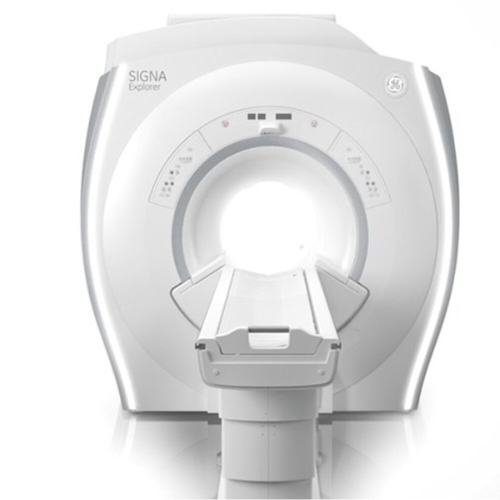
What Problems Can MRI Detect? Complete Guide to Conditions Diagnosed by MRI
What Problems Can MRI Detect?
What problems can MRI detect?
MRI (Magnetic Resonance Imaging) can detect a wide range of medical problems affecting the brain, spine, joints, organs, blood vessels, and soft tissues. It provides highly detailed images without using radiation, making it one of the most accurate diagnostic tools in modern medicine.
Doctors rely on MRI scans to identify early-stage diseases, internal injuries, tumors, inflammation, infections, and neurological disorders that may not be visible on X-rays or CT scans.
Brain and Neurological Problems MRI Can Detect
MRI is the gold standard for brain and nerve imaging.
MRI Can Detect:
- Brain tumors
- Stroke (early and chronic)
- Multiple sclerosis (MS)
- Brain hemorrhage
- Epilepsy-related abnormalities
- Infections like meningitis
- Neurodegenerative disorders
Spine and Back Problems MRI Can Detect
MRI is highly effective for diagnosing spinal conditions.
Common Spine Conditions:
- Slipped or herniated discs
- Spinal cord compression
- Sciatica
- Spinal tumors
- Spinal infections
- Degenerative disc disease
Joint and Musculoskeletal Problems MRI Can Detect
MRI clearly visualizes bones, cartilage, ligaments, and tendons.
MRI Can Detect:
- Ligament tears (ACL, PCL, rotator cuff)
- Meniscus tears
- Cartilage damage
- Arthritis
- Sports injuries
- Bone marrow abnormalities
Heart and Blood Vessel Problems MRI Can Detect
Cardiac and vascular MRI provide detailed heart imaging.
Detectable Conditions:
- Congenital heart disease
- Heart muscle damage
- Cardiomyopathy
- Blocked blood vessels
- Aneurysms
- Vascular malformations
Abdominal and Pelvic Problems MRI Can Detect
MRI offers detailed soft tissue imaging of organs.
MRI Helps Detect:
- Liver tumors and fatty liver disease
- Kidney and adrenal disorders
- Pancreatic diseases
- Uterine fibroids
- Ovarian cysts
- Prostate abnormalities
Cancer Detection and Staging with MRI
MRI plays a key role in cancer diagnosis and treatment planning.
MRI Can Detect:
- Brain tumors
- Breast cancer
- Prostate cancer
- Liver cancer
- Soft tissue tumors
- Cancer spread (metastasis)
What Problems Can MRI Detect That Other Scans Cannot?
MRI excels at detecting:
- Soft tissue injuries
- Early-stage tumors
- Nerve and spinal cord damage
- Brain disorders
- Hidden joint injuries
This makes MRI superior to X-rays and CT scans for many conditions.
Is MRI Safe for Detecting Medical Problems?
Yes. MRI does not use ionizing radiation.
Safety Highlights:
- Suitable for repeated scans
- Safe for most age groups
- High diagnostic accuracy
Patients with metal implants or pacemakers should inform the radiologist before
MRI can detect brain disorders, spine problems, joint injuries, tumors, nerve damage, heart conditions, and soft-tissue abnormalities with high accuracy.
Yes, MRI is widely used to detect, stage, and monitor cancers such as brain, breast, prostate, liver, and spinal tumors.
MRI can identify strokes, brain tumors, multiple sclerosis, epilepsy-related changes, infections, and bleeding in the brain.
Yes, MRI is the best imaging test for diagnosing slipped discs, sciatica, nerve compression, spinal stenosis, and spinal tumors.
MRI can detect ligament tears, meniscus injuries, muscle strains, tendon damage, cartilage loss, and arthritis.